We Insured the Laptops. We Forgot to Insure the Business.


A founder I know once told me something that has stayed with me for years.
“We had insurance for our office equipment, our laptops, and even the company car. But when a legal notice arrived from a client, I realized we had forgotten to insure the one thing that mattered most — the business itself.”
His startup survived. Many don’t. The interesting part is that he wasn’t irresponsible. He was ambitious. Like most founders, he was focused on hiring people, acquiring customers, improving the product, raising capital, and extending runway. Insurance felt like something to think about later, after the next funding round or after the company became profitable.
That mindset is incredibly common in the startup world. Entrepreneurs are trained to think about growth, not protection. But businesses rarely fail because founders planned too much. They often struggle because one unexpected event arrives before they were financially prepared for it.
Founders Usually Insure the Obvious Things
When a business starts growing, the first insurance purchase is often the easiest one to understand. A laptop gets insured. An office gets insured. A company vehicle gets insured. Sometimes inventory or equipment gets covered.
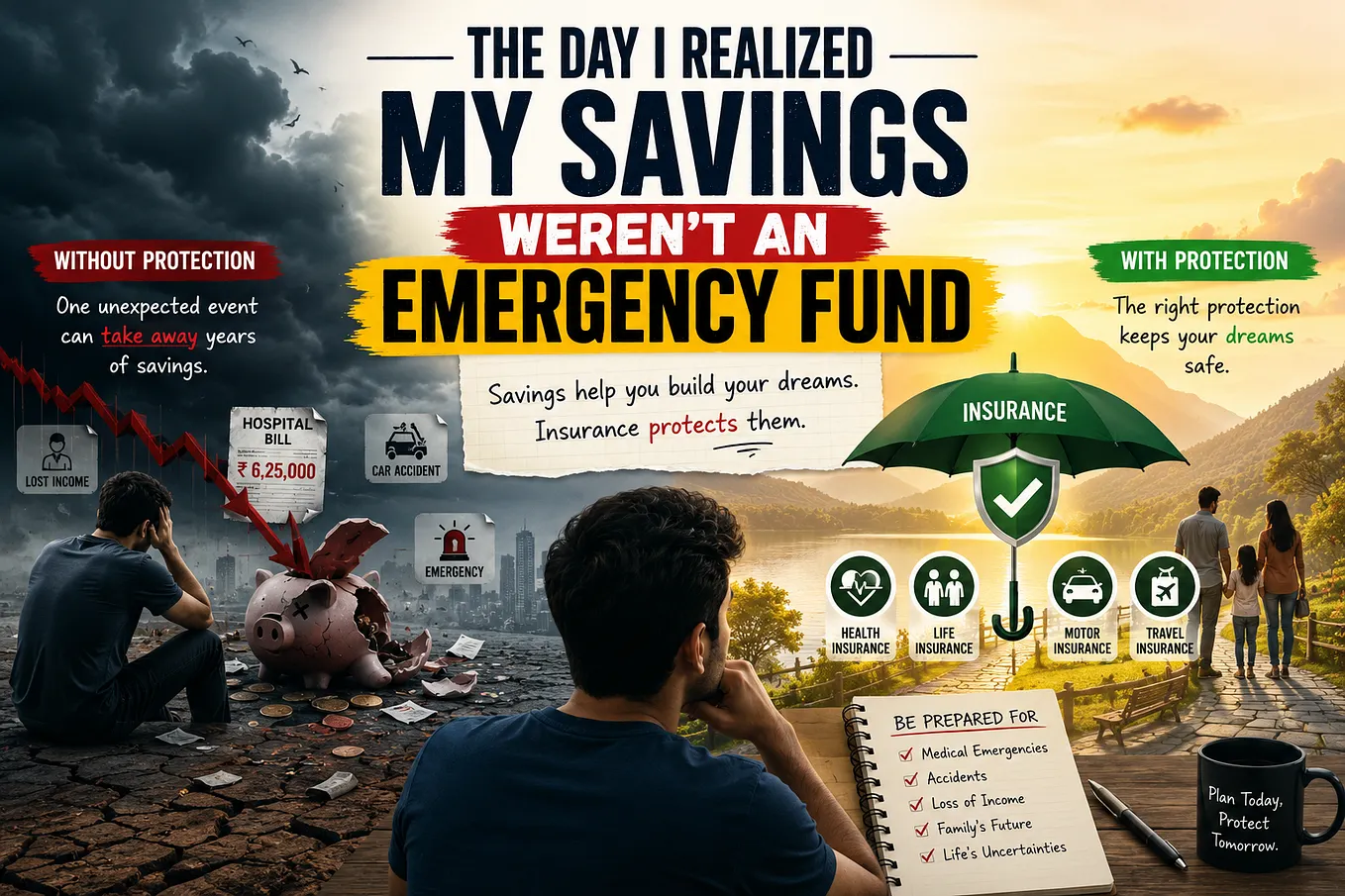
These are visible assets, so protecting them feels logical. The problem is that the most expensive risks are often invisible. A lawsuit. A cyberattack. An employee hospitalization. A fire that interrupts operations for weeks. A founder becoming temporarily unable to work. These events can affect cash flow, reputation, and survival far more than the loss of a few physical assets.
The Business Is Usually More Valuable Than Its Equipment
Imagine a startup with ₹20 lakh worth of equipment and ₹5 crore worth of annual business relationships, contracts, customer trust, and future revenue potential.
Most founders protect the ₹20 lakh. They leave the ₹5 crore exposed. That is not because they don’t care. It is because many entrepreneurs simply don’t know what kinds of business insurance exist or when they become relevant.
The Risk That Surprises Founders Most Often
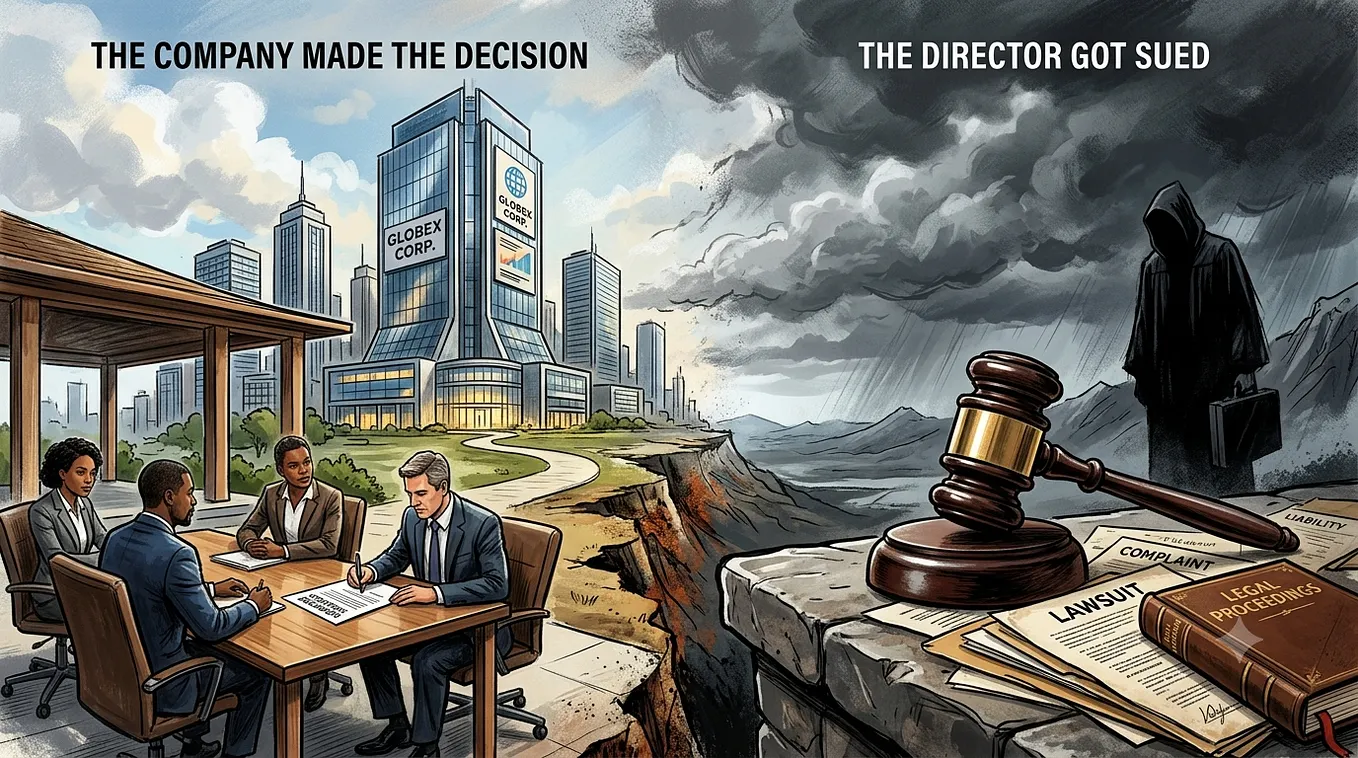
One of the biggest shocks for founders is legal liability. A client may claim financial loss because of a project delay. A software error may cause business interruption for a customer. A consultant may be accused of negligence. A board member may face allegations related to management decisions. An employee may raise a workplace-related claim.
Even if the company ultimately wins the case, legal defense costs alone can become a serious financial burden. This is why liability-related insurance products are often among the most important protections for growing businesses.
Employee Health Is a Business Risk Too
Startups usually think of employee health insurance as an HR benefit. In reality, it is also a business continuity tool.
When employees are financially protected during medical emergencies, they are less likely to face severe financial stress, delay treatment, or leave unexpectedly because of healthcare concerns. Offering group health insurance can improve retention, hiring, morale, and overall stability.
For a small team, losing even one experienced employee can be significantly more expensive than the annual premium for a well-designed health insurance plan.
Cyber Risks Are No Longer a “Big Company” Problem
Many startup founders believe cyber insurance is only relevant for banks, large technology companies, or multinational corporations. That assumption is becoming increasingly dangerous.
Small and medium businesses are frequently targeted because they often have weaker security systems and fewer dedicated cybersecurity resources. A ransomware attack, data breach, or system outage can interrupt operations, damage customer trust, and create legal obligations related to data protection.
If your business stores customer information, payment data, employee records, or proprietary technology, cyber risk is already part of your business model.
The Founder Is Often the Biggest Single Point of Failure
This is the uncomfortable conversation many startups avoid. What happens if the founder is unable to work for several months because of illness or an accident?
Get Pushbutton - Premium Vasool Insurance’s stories in your inbox
Join Medium for free to get updates from this writer.
In many early-stage companies, the founder handles sales, hiring, fundraising, operations, and key customer relationships simultaneously. The business may depend heavily on one or two individuals.
Without appropriate health, disability, or life insurance planning, a personal emergency can quickly become a business emergency. Protecting the founder is often part of protecting the company.
The Best Time to Buy Business Insurance Is Earlier Than You Think
Many entrepreneurs postpone insurance because they believe they need to become larger first. The irony is that smaller businesses are often less capable of absorbing unexpected losses.
A large corporation may survive a ₹50 lakh disruption. A young startup with limited runway may not. Insurance becomes valuable precisely because startups have limited financial buffers.
A Simple Founder Insurance Checklist
If you run a startup, ask yourself these questions:
- Do we have adequate health insurance for employees?
- Are our directors and founders protected against management-related liability risks?
- Is our professional work protected if a client alleges negligence or financial loss?
- Could we survive a cyber incident that disrupted operations for several weeks?
- What happens if a founder becomes temporarily unable to work?
- Have we reviewed our insurance coverage in the last 12 months?
If several of these questions make you pause, you are not alone. Most founders only start asking them after an incident has already occurred.
Insurance Is Not About Expecting Failure
One thing I have noticed about experienced entrepreneurs is that they think differently about risk. They do not buy insurance because they expect disaster. They buy insurance because they understand uncertainty.
A founder cannot control economic cycles, client disputes, cyber threats, natural disasters, or sudden medical emergencies. But a founder can decide whether those events become temporary setbacks or existential threats.
The strongest businesses are not always the ones that grow the fastest. They are often the ones that survive long enough to keep growing.
Final Thoughts
Entrepreneurs spend years protecting cash flow, runway, valuation, and growth. Those things matter enormously. But the business you are building is usually worth far more than the equipment inside your office.
Take an hour this week to review what your company is actually exposed to. Talk to someone who understands business insurance. Ask uncomfortable questions now instead of urgent questions later.
Because the cost of insurance is usually visible. The cost of being uninsured is often discovered only after it is too late.
About PushButton
At PushButton, we help startups, SMEs, and growing businesses understand and compare insurance solutions for employee health benefits, liability protection, cyber risk, commercial assets, and business continuity. We believe founders should be able to focus on growth while knowing the business they are building is properly protected.
Smart Insurance for Smarter Indians.
Visit www.pushbutton.in to explore business insurance solutions designed for modern Indian companies.