My SEO Audit Process After Working With Thousands of Websites


After more than 3,500 projects across two decades, my approach to an SEO audit has become very specific. Most audits I review still deliver long lists of issues with little clear prioritisation. The useful ones do the opposite: they identify the problems that actually affect revenue and put them in the correct order.
I have refined this process through real client work, not theory. The framework I use today is the result of seeing what consistently moves performance and what does not.
Phase 1: Business and Goal Alignment
Every effective audit begins with clarity on what success actually looks like for the business. Traffic is rarely the real goal. Revenue, qualified leads, or specific conversion events matter more. Without this alignment, technical recommendations often miss the point.
Phase 2: Technical Foundations
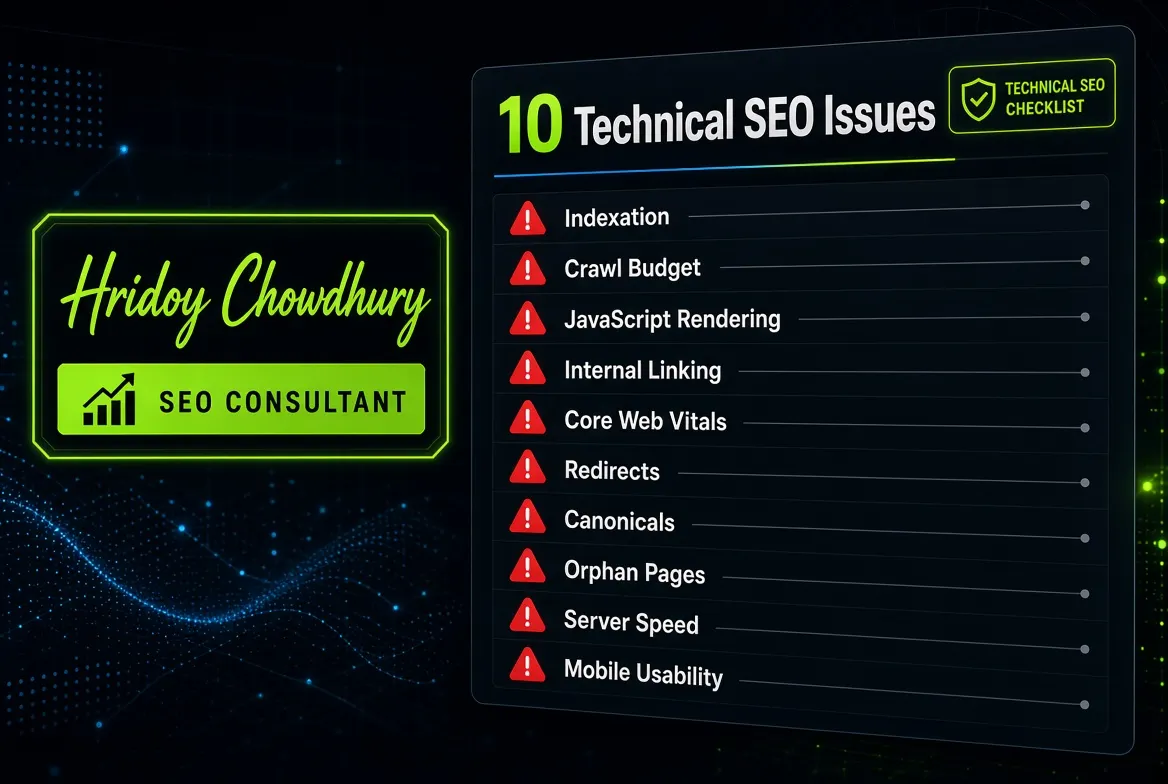
Crawlability, indexation, Core Web Vitals, rendering, site architecture, and internal linking form the base. These issues still destroy performance more often than most people expect. I start here because fixing them frequently unlocks gains that content and links cannot deliver on their own.
Phase 3: Content and Entity Strength
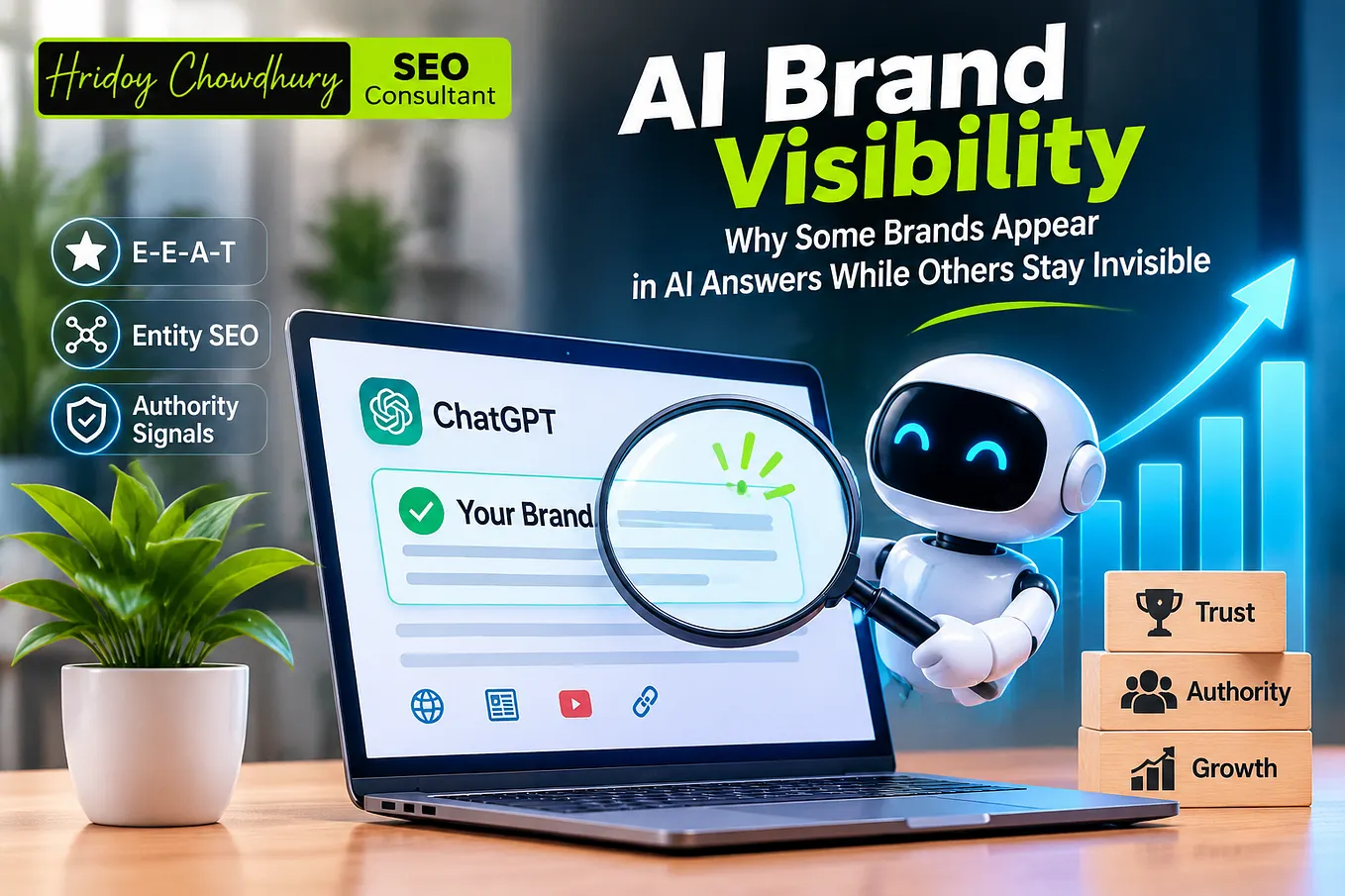
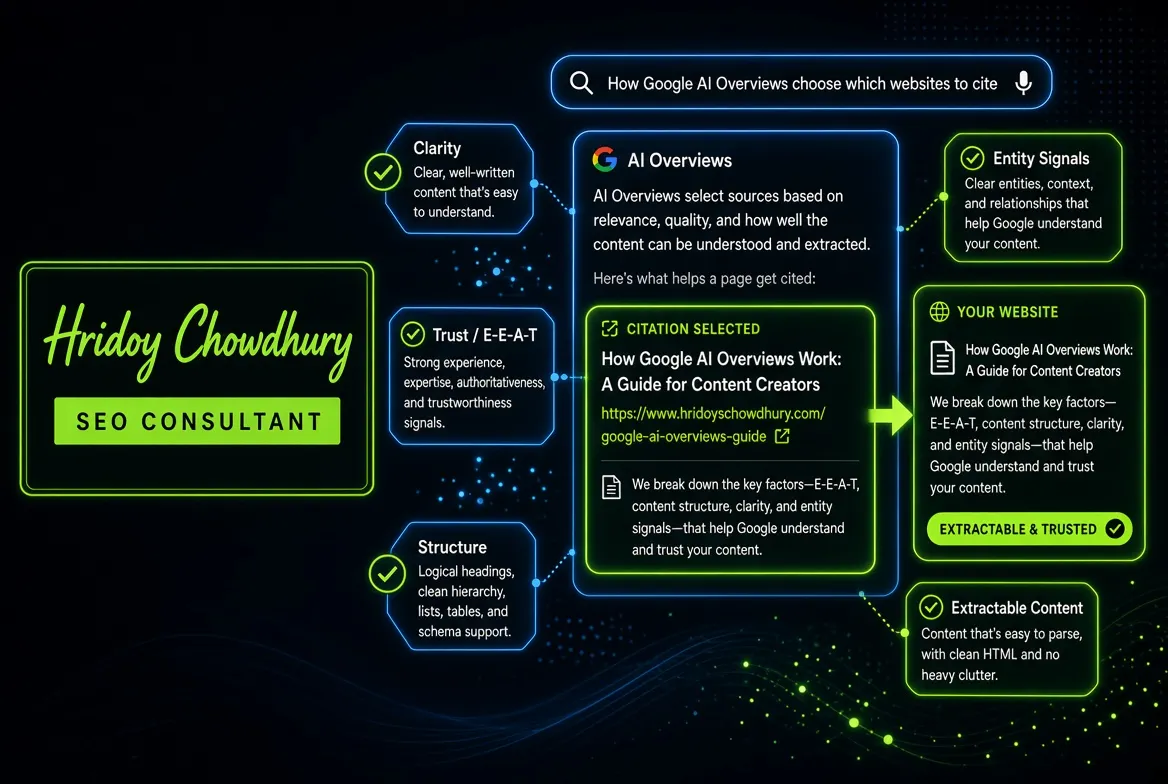
Is the content structured for both human readers and AI extraction? Are expertise and authority signals clear and verifiable? Does the site answer the questions that both users and large language models actually ask? This phase has grown in importance as AI visibility has become a core requirement.
Phase 4: Authority and Trust Signals
Backlinks remain relevant, but they are only one part of the picture. Brand mentions, reviews, consistency of information across the web, and clear authorship all contribute to the trust signals that both traditional search and AI systems evaluate.
Phase 5: AI Visibility Assessment
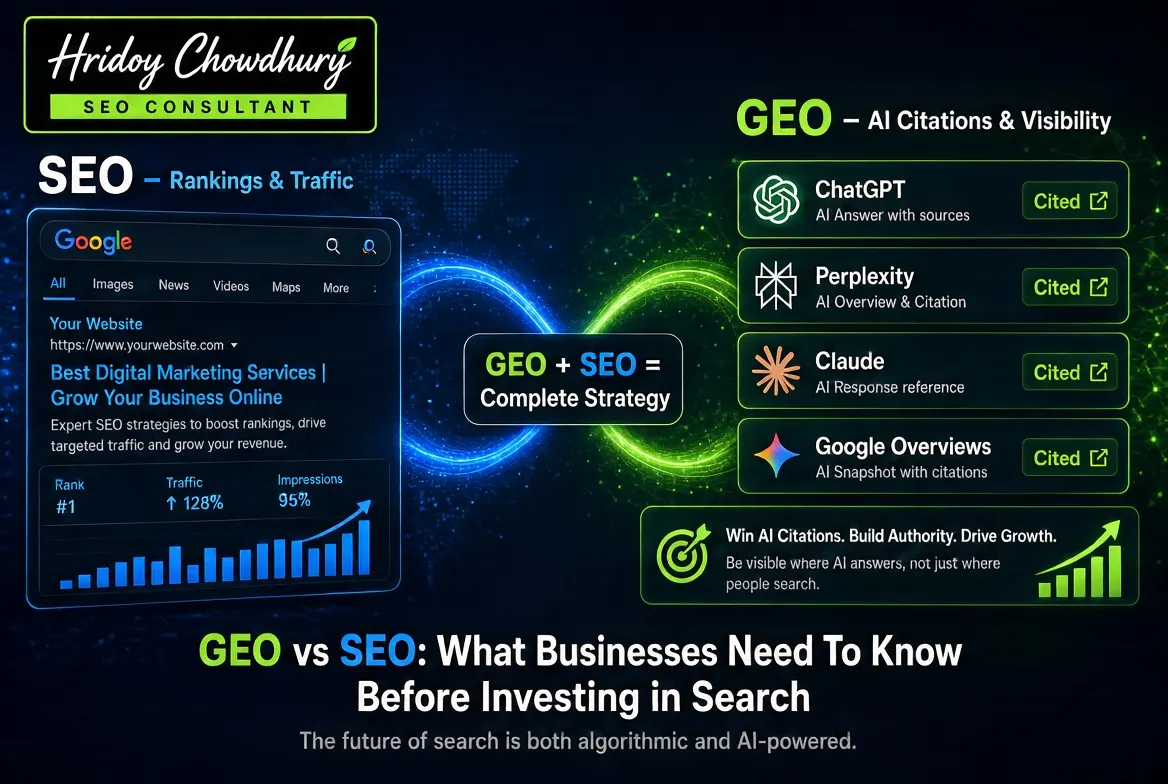
I now include a dedicated review of how the site currently performs inside ChatGPT, Perplexity, and Google AI Overviews. This was not part of audits five years ago. It is essential today.
Phase 6: Prioritised Roadmap
I never deliver a ninety-item list. I deliver a clear sequence of highest-impact actions with reasoning. Clients need to know what to fix first and why it matters more than the other issues.
Get Hridoy Chowdhury’s stories in your inbox
Join Medium for free to get updates from this writer.
The technical foundation remains the place where the largest quick wins usually hide. That is why every serious review begins with a thorough Technical SEO Audit.
If you want this level of clarity on your own website, I still take on a limited number of detailed audits each month.
Most audits list problems. The useful ones tell you exactly what to fix first, why it matters, and how it connects to business results. That is the standard I hold every audit to.