Scot…ish? Unionism and modern political culture

The 2010s was a bad decade for fans of stability. Hung parliaments, economic stagnation, and global terrorism were just a few of the defining characteristics of what may soon be looked back on as a lost decade — especially in Britain. An overlooked yet truly terrible moment of the decade came in the form of the 2015 general election. On the surface it was a job well done for the cause of stability: there was a Tory majority in parliament after five years of coalition, the 2014 Scottish independence referendum had just been won (albeit nervously), and the populist threat from UKIP had been seen off with the party returning just a single MP.
However, this election may just be remembered as the most damaging of recent British history, as subsequent political history in Britain demonstrates. For us unionists in Scotland, the election of 56 SNP MPs to just 3 from unionist parties signalled that from then on, politics here would be fundamentally a constitutional battleground. Moreover, the governing Conservative party held just a single Scottish seat, seriously undermining the connection between the electorate in Scotland and the government at Westminster.

The slogan with which the SNP had triumphed so comprehensively in 2015 encapsulates the feelings among a large section of the Scottish public and is perhaps the single greatest piece of political messaging this century: “Stronger for Scotland”. Excellent on so many levels, not least as it could simultaneously translate the votes of 45% of the electorate from 2014 into a political vehicle, whilst offering soft unionists an option to maximise Scotland’s voice within the UK. Yet this would prove to be the high-water mark of SNP success, much of which has been to do with the party’s drift away from the potentially broad appeal of the 2015 message, towards a partisan and shallow understanding of what Scottishness ought to mean.
As the recognisable nationalist party and government at Holyrood since 2007, the SNP has held a strong grip on the notion of ‘Scottishness’ for a while. Although originally somewhat exclusionary, by the time devolution came about, the SNP’s specific Scottish identity had developed into a widely applicable combination emphasising political and cultural distinctiveness. Within this identity, everyone from conservative farmers in Moray to liberal students in Glasgow could both exist, buying in to a movement which brought Britain to the brink of break-up in 2014.
Yet since Nicola Sturgeon took the reins, the SNP’s idea of what constitutes ‘real’ Scottishness has gradually become much more specific. There is no longer a place for the likes of Kate Forbes or Fergus Ewing in the Scottish parliamentary group. Now it is the cause of economic redistribution and radical social change that has brought the party of ‘nationalism’ to keenly associate with the socialist Green party whilst ignoring the legacy of figures such as Adam Smith, David Livingston, and even their own Winnie Ewing. This new brand of Scottishness — where one’s commitment is measured in the number of virtue-signalling Instagram posts they share — seems to entail the conclusion that the last 300 years of Scotsmen and women were ‘not real Scots’ owing to their participation in, and support of the Union, Empire, and global capitalism. Much like the red guards of Mao’s cultural revolution, all references to the old Scotland must be tested and discarded if they do not satisfy the criteria imposed from a small section of “wine bar revolutionaries” (as a great parliamentarian once said). In these circumstances, both unionists and anyone to the right of Lenin is excluded from the category of ‘real Scots’, having failed what is essentially a students’ union intellectual purity test.

This has been disastrous for the SNP electorally — despite favourable political circumstances, they have failed to secure majorities at Holyrood since the referendum and were pummelled at the last general election. While the issue of independence remains competitive, SNP support has declined steeply since the glory days of 2015, to now registering just 1/3 of the vote in most polls — hardly a prelude to dissolving the Union.
Get Alistar’s stories in your inbox
Join Medium for free to get updates from this writer.
In this case, it seems there is an opportunity for a renewed sense of Scottishness to rise and dislodge the student-politics nonsense that has prevailed in recent years. Perhaps a recognition that Scottishness is not and has never been singularly definable. With Picts, Gaels, Scots speakers, Ulster Scots, empire-builders, land reformers, liberals, conservatives, and various Christian denominations, the nation has always been evolving and containing within it several often contradictory aspects simultaneously. The Unionist MP John Buchan for example stated in 1932 that, “I believe that every Scotsman should be a Scottish Nationalist […] but I am equally clear that an artificial nationalism, which manifests itself in a barren separatism and in the manufacture of artificial differences, makes for neither peace nor prosperity.” The sentiment that one ought to promote specifically Scottish interests and primarily see oneself as a Scotsman is one that still holds significant (probably majority) support today — and yet it need not be a constitutional divide.

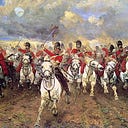
Unionists are reflective of this complex picture. Much to their electoral disadvantage, the pro-Union side of politics here contains within it everything from urban liberals, post-industrial ‘small c’ conservatives, and farmers. The Scottishness exhibited in the late-night concerts of the Barras is a world away from the Argyll and Sutherland Highlanders parading at Balmoral. And yet to appreciate (and if desired, tap in to) the various aspects of Scottish identity, the entire political spectrum must undertake a readjustment of how our national identity is discussed and utilised in public discourse.

So perhaps I’ll end with a few tips for MPs, MSPs, and anyone interested in or involved with politics in Scotland. Let’s begin with avoiding childish jibes about unionist ‘branch offices’ or whether one’s views on tax policy prohibit one from being a ‘real’ Scot. Having said that, a second point would be to realise that the online world is entirely unreflective of the way the vast majority of people in Scotland interact with others on matters of politics. Do not be fooled by the toxic effect of Elon Musk’s X into believing that all nationalists are English-hating Maoists, nor that all unionists are treacherous money-grabbers.
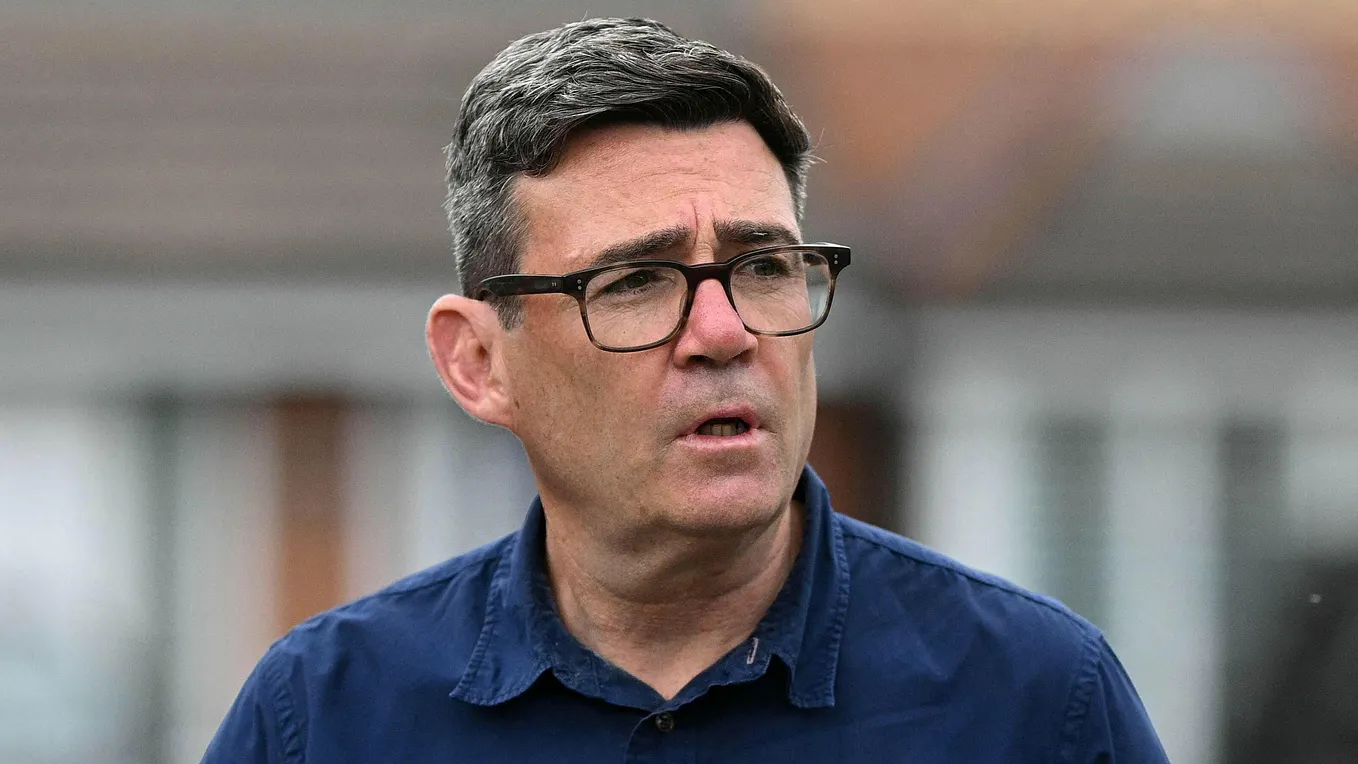
Some introspection on the part of unionists is also in order. It is not just the impressive SNP campaigning capacity of the last 30 years that has caused so many Scots to turn away from or care little for the Union. Poor governance, Westminster’s regular ignorance of Scotland, and a distinct lack of delivery have fuelled the separatist flame. A tangible unionist case needs to be rebuilt to re-establish the bonds and feeling of common cause across Britain. This will differ depending on the unionist, but could include a renewed industrial drive for high-skilled, well-paid jobs in Clyde naval shipbuilding, Burnham-style devolution to local communities, or an unrelenting focus on energy production.

Finally, no matter our constitutional future, there will never be a scenario where mutual understanding across Britain is not beneficial to all parties. To that end, Scottish and British governments must urgently address the dearth of historical, political, and social comprehension in both England and Scotland among a worryingly large proportion of the population concerning the different parts of the United Kingdom. Having lived in both of these parts of Britain, it is obvious that the nation or indeed any future collaboration cannot hope to succeed when so many of its people know little or nothing about their neighbours and compatriots (especially in England).
Scottish identity is complex and unionism will inevitably find itself tangled in the many contradictory notions of what it means to be Scottish. However, the whole political spectrum, constitutional or otherwise, would benefit greatly from recognising, appreciating, and working towards a historically informed and unifying sense of what it means to be Scottish which we can all (unionist, nationalist, or otherwise) embrace.