Revelation 2:1–11 Explained Verse by Verse | Letters to Ephesus and Smyrna


Revelation Unsealed — Chapter 2, Part 1 (Rev 2:1–11) | Chazon Yochanan
Scriptures: Rev 2:1–11 (LSV, public domain); Tanakh quoted verbatim.
Music: “Five Armies” by Kevin MacLeod, CC BY 4.0.
THE NAMES: YudHeyVavHey (יהוה) — the Father’s personal name, printed as “LORD” in most English Bibles. Yehoshua (“YudHeyVavHey saves”) — His Son, “Jesus” in English. HaMashiach — “the Anointed One” (“Christ”). Ruach — Spirit. Elohim — God. We use these Hebraic forms in reverence; the preserved Greek is in the pinned comment.
If this blessed you, tap the heart, leave a comment, copy the link and share it, and save this video to your files so you can keep up with every chapter. Share His Word with others.
STUDY NOTES — verse by verse. [Brackets] mark English helper words. Hebrew quoted word-for-word from the Tanakh, never invented. “Lord” = kurios (title), never the Name. Greek in pinned comment; apparatus free below.
2:1 — P98 (2nd c.) covers through 2:1; א, no variants.
Lit: “To the messenger of the assembly in Ephesus write: These [things] says the [one] holding the seven stars in the right [hand] of him, the [one] walking in [the] midst of the seven lampstands, the golden [ones]:”
Heb, Mal 2:7: כִּי מַלְאַךְ יְהוָה צְבָאוֹת הוּא — “for a messenger of YudHeyVavHey of hosts is he.”
2:2 — א reads τὸν κόπον σου (“the labor of you”).
Lit: “I know the works of you and the labor and the endurance of you, and that you are not able to bear evil [ones], and you tested the [ones] saying themselves apostles — and they are not — and you found them false:”
Heb, Deut 18:21: אֵיכָה נֵדַע אֶת־הַדָּבָר — “how shall we know the word.”
2:3 — א reads the aorist οὐκ ἐκοπίασας (“you did not grow weary”); A C read the perfect.
Lit: “and you have endurance, and you bore up for the sake of the name of me, and you did not grow weary.”
Heb, Ezek 20:9: וָאַעַשׂ לְמַעַן שְׁמִי — “I acted for the sake of my name.”
2:4 — א, no variants.
Lit: “But I have against you that the love of you, the first [one], you sent away.”
Heb, Jer 2:2: זָכַרְתִּי לָךְ חֶסֶד נְעוּרַיִךְ אַהֲבַת כְּלוּלֹתָיִךְ — “I remembered for you the kindness of your youth, the love of your bridal days.”
2:5 — א reads ἔρχομαί σοι WITHOUT ταχύ (“quickly”); “quickly” is added in the Byzantine witnesses.
Lit: “Remember therefore from where you have fallen, and repent, and the first works do; but if not, I come to you and I will move the lampstand of you out of the place of her, unless you repent.”
Heb, Ezek 18:30: שׁוּבוּ וְהָשִׁיבוּ מִכָּל־פִּשְׁעֵיכֶם — “turn and turn back from all your transgressions.”
2:6 — א, no variants.
Lit: “But this you have: that you hate the works of the Nicolaitans, which I also hate.”
Heb, Ps 139:21: הֲלוֹא־מְשַׂנְאֶיךָ יְהוָה אֶשְׂנָא — “do I not hate those who hate you, YudHeyVavHey.”
Get Ancient Jubilee Restoration’s stories in your inbox
Join Medium for free to get updates from this writer.
2:7 — א, no variants.
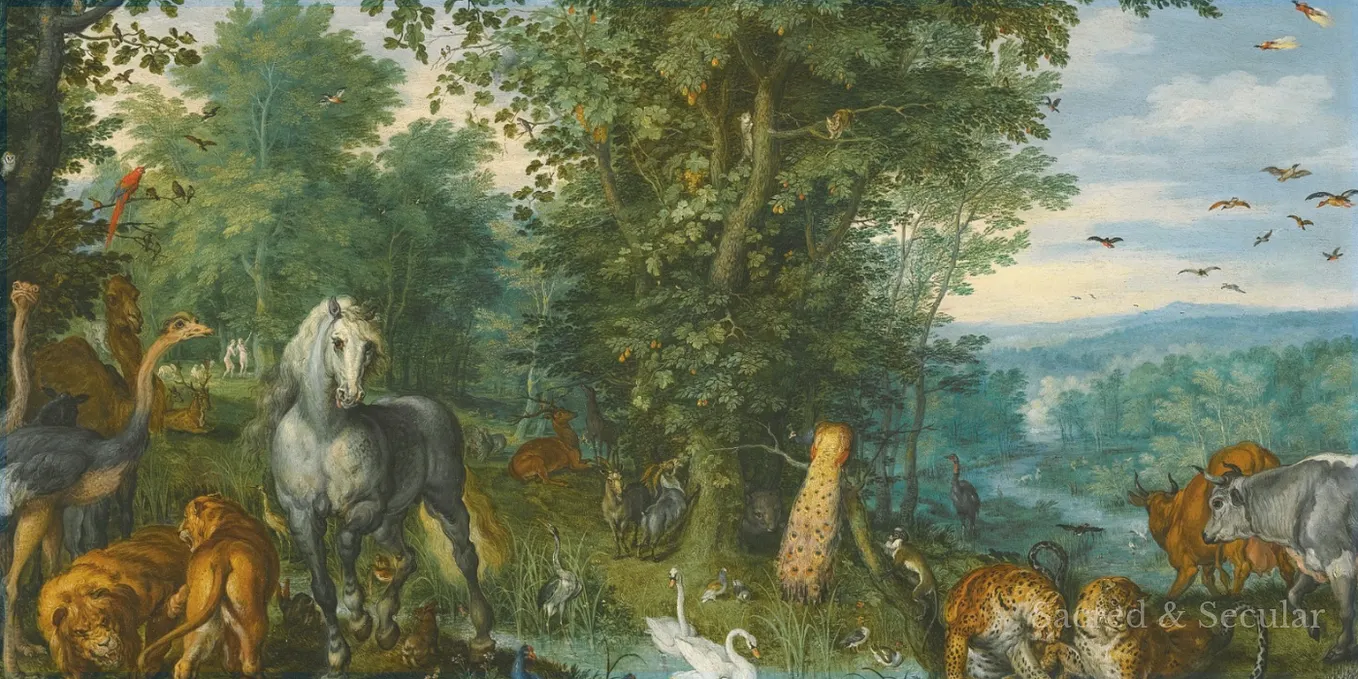
Lit: “The [one] having an ear, let him hear what the Spirit says to the assemblies. To the [one] overcoming I will give to him to eat of the tree of the life, which is in the paradise of Elohim.”
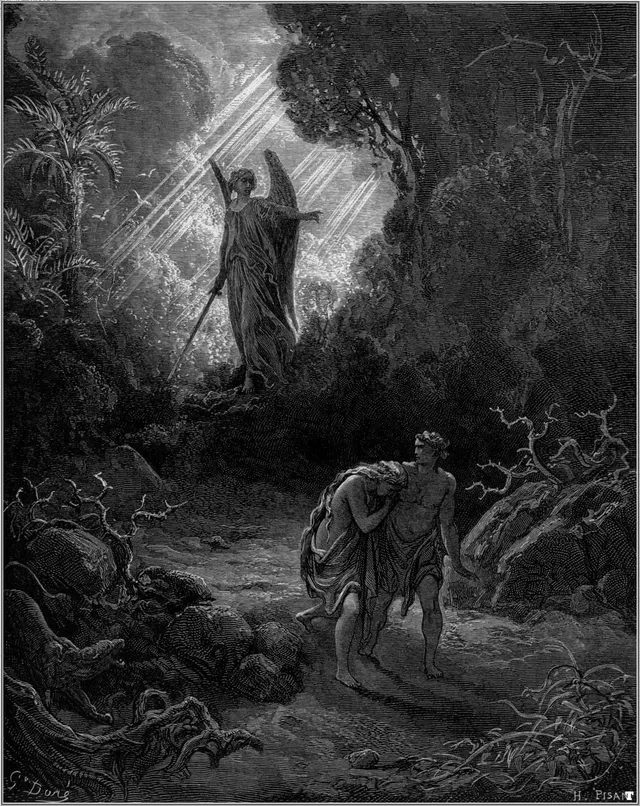
Heb, Gen 2:9: וְעֵץ הַחַיִּים בְּתוֹךְ הַגָּן — “the tree of life in the midst of the garden.”
2:8 — א, no variants.
Lit: “And to the messenger of the assembly in Smyrna write: These [things] says the first and the last, who became dead and lived:”
Heb, Isa 44:6: אֲנִי רִאשׁוֹן וַאֲנִי אַחֲרוֹן — “I am first and I am last.”
2:9 — א, no variants.
Lit: “I know of you the works and the affliction and the poverty — but rich you are — and the blasphemy out of the [ones] saying Jews to be themselves, and they are not, but a synagogue of Satan.”
Heb: none verbally exact — “synagogue of Satan” is the book’s own phrase.
2:10 — א reads πάσχειν (“to suffer”) and ἰδού without δή.
Lit: “Fear nothing [of] what [things] you are about to suffer. Behold, the accuser is about to throw [some] of you into prison, that you may be tested, and you will have affliction ten days. Become faithful until death, and I will give to you the crown of the life.”
Heb, Dan 1:12: נַס־נָא אֶת־עֲבָדֶיךָ יָמִים עֲשָׂרָה — “test your servants ten days.”
2:11 — א, no variants.
Lit: “The [one] having an ear, let him hear what the Spirit says to the assemblies. The [one] overcoming shall not at all be harmed out of the death, the second [one].”
Heb: none verbally exact — “the second death” is the book’s own phrase.
Full apparatus (free download): https://muse.ai/files/1259545047249620/1791582995316055/4rjuxp2j0snxjnkudjs2y2um/chapter-02-apparatus.txt. Part 2 (Rev 2:12–29) continues the letters.
THE CHAPTER AS A WHOLE
THE CHAPTER AS A WHOLE — Revelation 2
Revelation 2 brings the risen Yehoshua HaMashiach walking through the doors of four real churches — and He does not begin with comfort. He begins with “I know.”
To a modern western reader, these letters read like performance reviews — praise here, scolding there. To John’s first readers, they were something far more serious: a royal inspection. These were real assemblies in real cities of Asia Minor, living under the shadow of Rome’s imperial cult, and the One speaking is the same Son of Man from chapter 1, dictating letters through His exiled apostle. Each letter follows the same pattern because each church needed the same thing — to hear exactly where it stood.
Ephesus had everything except the one thing: they tested false apostles, they hated the works of the Nicolaitans, they labored without growing weary — but they left their first love. To a city that housed the temple of Artemis, one of the wonders of the world, Yehoshua HaMashiach offers something older and truer — the tree of life from Genesis 2 and 3, the paradise Rome could never build.
Smyrna gets no rebuke at all, only a warning and a promise. They were poor — yet He calls them rich. Smyrna was a proud center of emperor worship, where refusing to burn incense to Caesar could cost you everything, and prison was closing in. “Do not fear what you are about to suffer,” He says, and promises the crown of life to those faithful unto death — and that the second death will not hurt them.
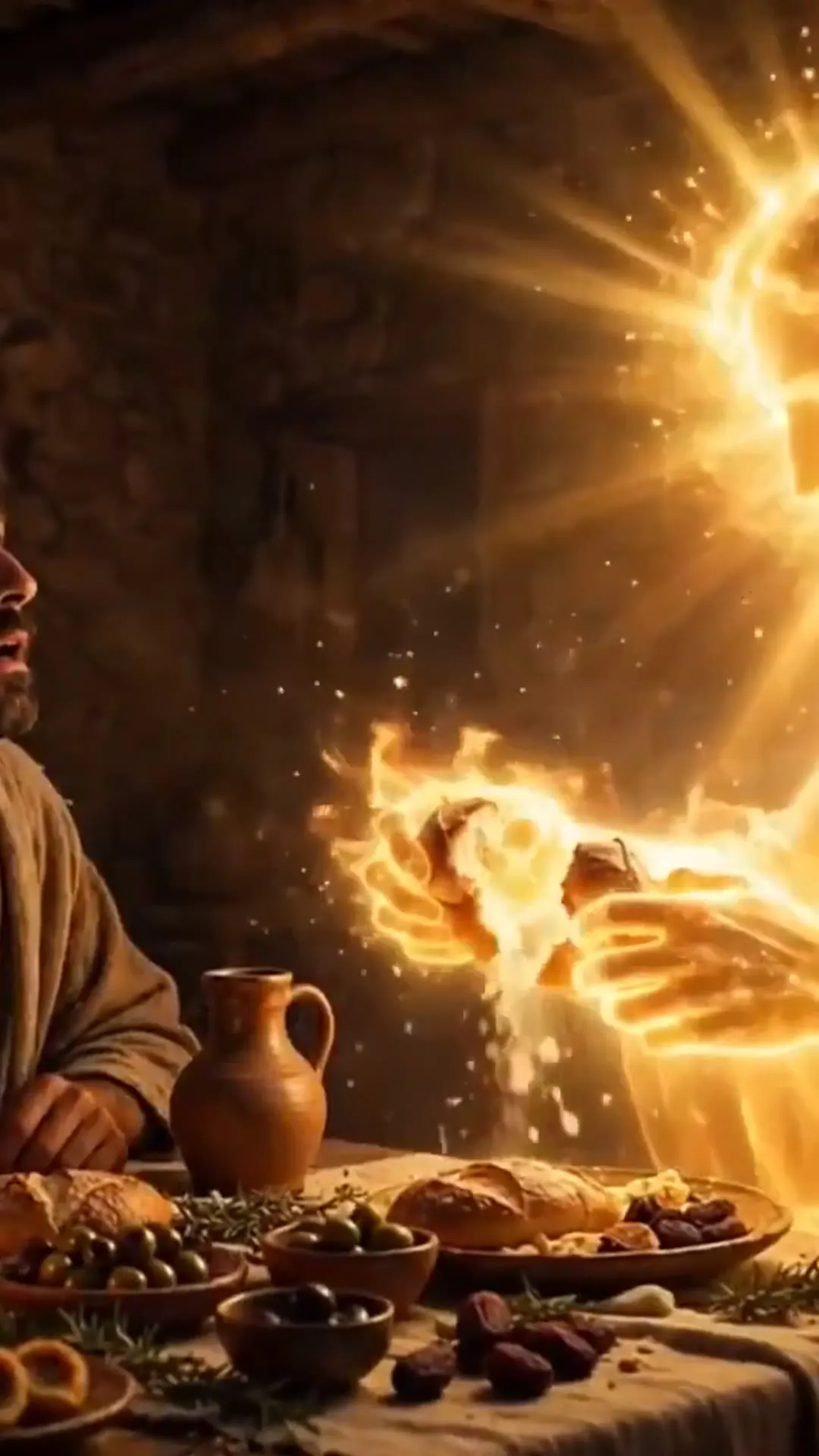
Pergamum is where He says Satan’s throne is. The city rose above the valley crowned with temples — the great altar of Zeus and the shrines of the imperial cult looming over daily life. There Antipas, His faithful witness, was killed. Yet most in the church held fast His name. But some were following the teaching of Balaam — the old story of Israel lured into idolatry and immorality (Numbers 25 and 31) — and to the one who overcomes He promises hidden manna, the wilderness bread kept before Elohim, and a white stone: in the ancient world a white stone was a token of acquittal in court, an invitation to the feast — with a new name written on it, known only to the one who receives it.
Thyatira was a working city of trade guilds — potters, dyers, bronze-workers — where earning a living meant joining the guild, and the guild meant its feasts and its gods. A woman called Jezebel was teaching His servants to compromise. To those who refused “the depths of Satan,” He promises authority over the nations and the morning star.
And the most tender part of all four letters: He sees each church exactly as it is. Nothing is hidden from eyes like fire — not the lost love, not the coming prison, not the compromise, not the quiet faithfulness. He names what is true, He names what must change, and every letter ends the same way: “To the one who overcomes.”
So chapter 2 as a whole says this: Yehoshua HaMashiach walks among His churches, and He knows — He knows the labor, the suffering, the compromise, and the love — and to every overcomer He opens the paradise, the crown, the manna, and the morning star.
Originally published at https://telegra.ph on September 29, 2026.