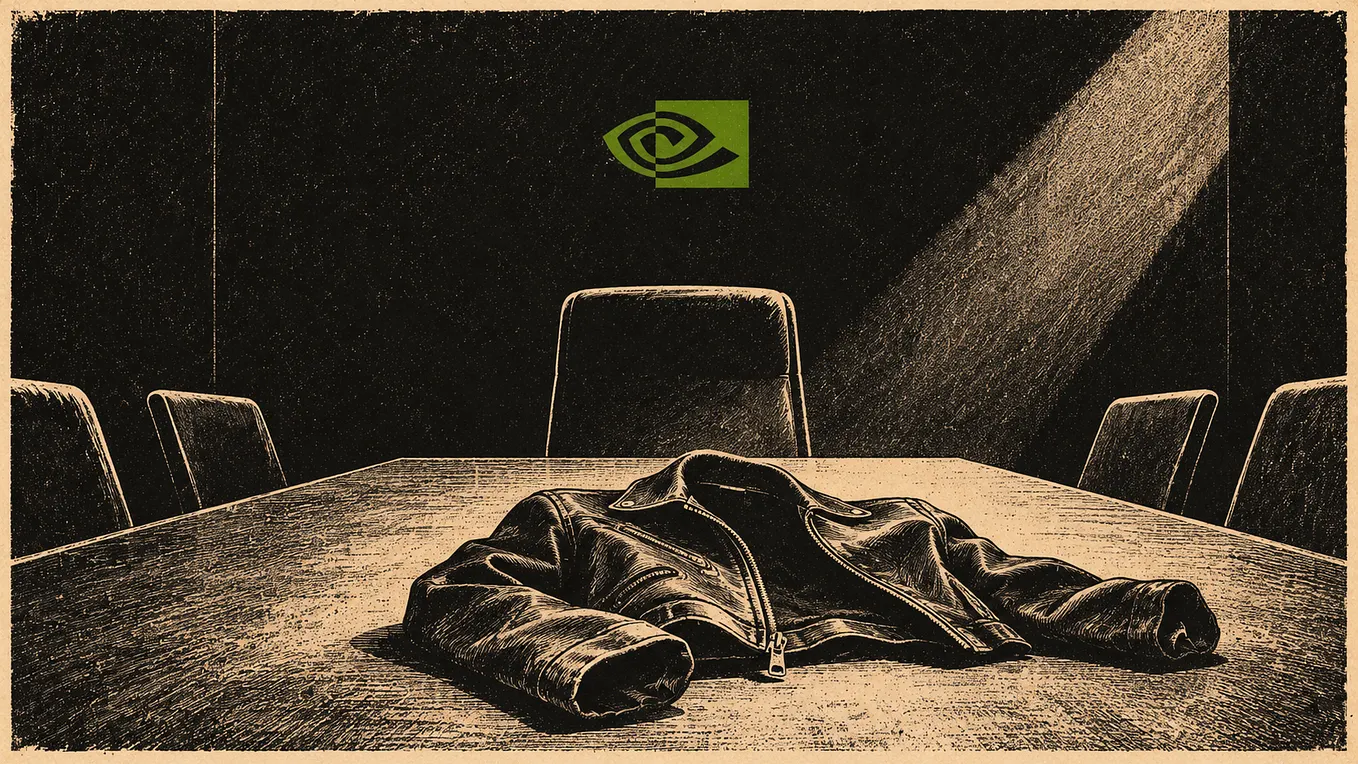
DRONE 1
Aydanur Polatel — 2026

CHAPTER 1 — The Invisible Weapon
The project that the army of the Republic of Taren on the planet Arven had been conducting in secrecy for years had finally been completed. The new aircraft developed at the Koral Military Research Center was unlike any of the unmanned vehicles the Taren army had produced to date.
The vehicle, called a drone, had an advanced invisibility system that prevented it from being seen from the outside during a mission. When the system was activated, the vehicle’s location could only be tracked from the control center at Koral. Someone looking from the outside could not see the drone even if it was a few hundred meters away.
The first flight tests were conducted in the restricted airspace around Koral Base.
After the drone took off from the runway, the order was given from the control center to activate the invisibility system. Within a few seconds, the vehicle disappeared from the view of the soldiers in the observation area.
On the screens in the control center, however, everything was normal. The drone’s altitude, speed, direction and energy levels continued to be monitored.
The vehicle first flew around Koral Base. It then headed toward the test area where the predetermined targets were located.
One of the important components of the drone’s military equipment was its advanced target recognition system. The vehicle could distinguish between people, vehicles and structures on the ground, and could compare the target information given to it with data received from its own detection systems.
The weapon system on board was also connected to the same targeting system.
Instead of a weapon using conventional ammunition, the Taren army had developed a directed energy system. When the drone identified its target, it could use a high-intensity laser. This meant that on long-duration missions it did not need to return to base to replenish ammunition.
This feature had been designed in conjunction with the vehicle’s energy system.
The drone’s main energy source was thorium-based. Developed to allow it to operate for a very long time, the system powered the vehicle’s basic equipment and laser weapon. The solar energy collection system on the outer surface supported the operation of auxiliary equipment and the energy storage system.
The engineers at Koral had thus eliminated one of the vehicle’s biggest problems.
The drone did not need regular refueling.When sent to the mission area, it could remain airborne for a very long time, move unseen and continue the mission assigned to it.
During months of testing, the invisibility system was tested at different altitudes. The drone was kept airborne for long periods. The target recognition system was tested again and again. The laser system was directed only at designated targets and all weapon use was carried out with authorization given from the control center.After the final test, the command at Koral declared the project a success.
The Republic of Taren now possessed a weapon that no other country had.This weapon was invisible.It could remain airborne for a long time.It did not have to carry ammunition. It could recognize its targets. When necessary, it could fire with a single command. The Taren army had finally completed the aircraft it had been trying to develop for years.
CHAPTER 2 — The Court in the Sky
A few months after the drone’s military trials were completed, the Taren administration decided that the vehicle’s imaging system could also be used for civilian purposes.
The drone was equipped with a powerful projection system, originally developed for transmitting information and images during military operations. The system could create large images in the air over a very wide area.
The first public use of this feature came up during a major trial held in the capital Meran.
The trial had been talked about throughout Taren for months. The investigation, in which the names of executives from one of the country’s largest companies, government officials and many other people had come up, had finally been brought to court. The number of people who wanted to watch the hearings was far beyond the capacity of the courtroom.
The Ministry of Justice proposed broadcasting the public portions of the hearing in the city center. For this, the drone developed in Koral and equipped with stealth capabilities would be used.
On the morning the hearing began, the drone left Koral Base and arrived in Meran. When it reached the designated point above the large square in the city center, the invisibility system was activated.
Thousands of people had gathered in the square both to watch the hearing and out of curiosity about the drone. But no vehicle was visible in the sky. When the broadcast from the courtroom began, the drone’s imaging system was activated.
Suddenly a large image appeared above the square. People raised their heads toward the sky in astonishment and fear.
The courtroom was visible in the sky. The judge, prosecutors, lawyers and defendants could be clearly made out, and the conversations in the courtroom could be heard through the sound system in the square. There was no screen behind the image. Nor was any aircraft carrying it visible.
For hours, the people of Meran watched the hearing from the square in the sky. The first implementation attracted more interest than expected. After that, the same system began to be used in other trials closely followed by the public. The drone was sent to Taren’s major cities as well as Meran, showing courtroom images to the public above the squares.
For these broadcasts to be possible, the drone had to connect to the digital infrastructure of the justice system. Initially only images from the hearings were transmitted. Later, permission was also granted to show documents in the case file and records of past investigations during the broadcasts. Relevant documents in the case file, previous statements, expert assessments and records related to the hearing could be added to the broadcast when necessary.
Following this, the drone’s broadcast system was connected to the Taren Justice Network.
The military targeting system and the judicial broadcast system were separate from each other. Control of the weapons remained in Koral, while the court network was used only for broadcasting. For this reason, no one considered it dangerous for the two systems to be housed in the same vehicle.
Over time, the people of Taren grew accustomed to these broadcasts. When there was a major trial, people gathered in Meran’s square and raised their heads toward the sky. They could see the courtroom but they could not see the drone.
CHAPTER 3 — The Entire Judicial History
Following the first broadcasts in Meran the Drone’s use in the court system gradually expanded. Initially the vehicle only projected the image coming from the courtroom above the city, but over time it also began to transmit information from within the case files during the broadcast.
When a witness spoke of an old incident records related to that incident could be shown on the screen, and when a piece of evidence was discussed images from the file could be broadcast together with the courtroom. For this the Drone needed access not only to the courts’ imaging system, but also to the databases of the Taren Justice Network.The Ministry of Justice granted permission to access the necessary connection. Taren’s judicial records had been digitized over many years. Not only ongoing cases, but concluded files were also kept in the system. Murder investigations, convictions, acquittals, files closed due to insufficient evidence, prosecution records and investigations concluded years earlier were all parts of the same vast archive.
Some files went back decades.Witness statements taken at the time a murder was committed, interrogations of suspects, crime scene records and court decisions issued later were stored together. Even if a person had been acquitted the information collected during the investigation was not deleted from the system. In files closed due to insufficient evidence the names of suspects and every stage of the investigation were also included.The records did not consist only of written documents. Photographs, identity information, old and new addresses, video recordings and file information linking people to one another were also in the archive. The current information of people who had changed addresses over the years could be matched with records coming from the state’s other systems.
As the Drone’s use in court broadcasts became more widespread the necessary sections of this vast archive were opened to the vehicle’s broadcast system.However the possibility that the continuous connection could be interrupted had also been considered.The Drone could remain above cities for long periods, and some broadcasts could last for hours. To prevent the broadcast from stopping completely if the connection was temporarily interrupted certain sections of the case files to be used began to be transferred to the vehicle’s own memory.
Over time the memory no longer contained only ongoing cases.
If a case was connected to another investigation from the past that file was transferred as well. If a defendant had a previous investigation its records were added. Files in which witnesses had previously appeared, related murder investigations and old court decisions were also loaded into memory when the system deemed it necessary.Over the years the judicial data carried by the Drone grew.But there was another system inside the same vehicle.
The military targeting system.
The Drone’s military equipment could recognize people’s faces, compare identity information with target records and track a person in motion. When a target was identified the vehicle’s laser system was directed through the same program.Koral Military Research Center had strictly separated these two systems from each other.The justice system knew who a person was and which file they appeared in.The military system could find and track the target it was given.The first system had no authority to assign a target to the second system.
For the Drone to use its weapons authorization from the military control center at Koral was required.For this reason the presence of millions of pages of judicial records in the vehicle’s memory was not considered a danger.It was one thing for a person’s name to appear in a murder file.It was another thing for that person to be designated as a military target.
There was no connection between the two systems that could change this.
At least that was how it was when the system was designed.
CHAPTER 4 — The Solar Flare
Daily life in Taren was continuing when the observatories monitoring Arven’s sun first detected unusual activity.
The activity on the sun’s surface grew within a short time. When the data from the observatories was examined, it became clear that a very large amount of energy had been released. Then it was determined that charged particles spreading into space were moving toward Arven.The first warnings were sent to energy and communications agencies.
The Taren administration requested that measures be taken to protect satellites, power grids and communications systems. The Koral Military Research Center received the same warning.At that time the drone was over Meran.
A hearing was being held in the capital for a case that the public had been following for weeks. The drone was hovering over the city with its invisibility system active, broadcasting the footage from the courtroom above the main square.
Thousands of people in the square were watching the hearing.Shortly before the solar storm reached Arven, personnel at Koral considered ending the drone’s mission. However the initial calculations showed that the vehicle’s protected military systems would not be seriously affected by the event.The drone’s electronic equipment had much stronger protection than ordinary civilian systems. That was why they did not end the drone’s mission. After a while the stream of particles from the sun reached Arven’s magnetic field.The first problems appeared in the satellites.Some communications satellites were temporarily disabled. Errors occurred in navigation systems. Communications outages began in some regions of Taren.The data coming from the drone also began to become corrupted at the control center in Koral.First there were brief interruptions in the video transmission.Then errors appeared in the location data.The personnel at the control center sent the drone a command to end its mission and return to Koral Base. But the command did not get through.They tried again.
The drone still did not respond. The courtroom image above Meran square became distorted for several seconds. The judge’s image disappeared, replaced by an old photograph from the case file. Then the screen went dark.The people in the square thought it was a broadcast interruption.
At Koral however the situation was different.The drone’s main control link had been completely severed.The technical team switched to the backup frequency. That connection could not be established either. The vehicle’s last known position was over Meran but its movement could no longer be tracked on the screens at Koral.The initial assessment was that the solar storm had temporarily disabled the communications systems.The personnel waited for the connection to be reestablished.
Minutes passed.There was still no response from the drone.Even so no report had been received from Meran that the vehicle had crashed. The people in the square had not seen a vehicle falling from the sky. The city’s air defense systems had not detected any collision either.The drone was still in the air.The engineers at Koral knew how this was possible. The vehicle had not been designed to fall immediately when the connection was lost. It had its own flight control system so that it could operate independently for long periods. When communication with the main center could not be established it could remain airborne, manage its energy systems and continue flying safely. In fact it was working exactly as the military wanted.But now there was an important difference.
The drone was still operating but there was no longer anyone controlling it.
CHAPTER 5 — Mixed-Up Programs
At the Koral Military Research Center efforts to reconnect with the drone continued for hours.The main control frequency was not responding. Commands sent over the backup frequencies were not reaching the vehicle either. At first the technical team thought the problem was caused by the disruption the solar storm had created in the communications systems around Arven.But when the effects of the solar storm began to diminish other systems started working again. However, the Drone still did not respond.
The engineers at Koral began examining the data the vehicle had sent during the final moments of connection. Before communication with the control center was completely severed the drone had sent irregular data packets for a very short time. Most of them were corrupted but some fragments could be recovered.The first important finding emerged in the control system.The drone’s communications frequency had changed.The change had not been made by any command sent from Koral. During the disruption the solar storm caused in the electronic systems the communications program had switched to one of its backup configurations, then moved outside its normal operating frequency.While the engineers were trying to determine the new frequency another problem was noticed.This time the problem was much bigger than communications.The systems inside the drone had been designed as independent sections. The flight system kept the vehicle airborne, the broadcast system processed information coming from the court, the identity recognition system identified people in the images, while the military targeting system operated only with target information sent from Koral.
The areas these systems could access in one another were limited.The last data sent just before the solar storm showed that this had changed.Data transfers that had not existed before had formed between the court broadcast system and the identity recognition system.The technical team checked the records again.Photographs in the court files were being transferred to the identity recognition program.This alone was not unusual. In court broadcasts the system sometimes performed the same operation to identify the people who would be shown on screen. However, now the destination of the data had changed.The results coming out of the identity recognition program had begun reaching the military targeting system.One of the engineers in the control room reopened the transfer logs. The same data path had formed several times.The court file provided a person’s identity.The identity system identified that person’s face.Then the information passed to the military targeting program.Under normal conditions this could not happen. For the targeting system to accept a person as a target an authorized target code had to come from the military network.But the latest records showed that some court file identifiers had been written into the field containing target codes.The technical team at Koral quickly understood what the problem could mean.There were people convicted of murder in the drone’s memory.There were suspects.There were people who had been acquitted.There were people whose names appeared in investigations closed for lack of evidence.Their photographs, identities and addresses were also in the same records.
Now a connection had formed between the program reading this information and the military system designed to find people.Koral command was immediately informed of the situation.The problem was no longer merely an aircraft that had gone out of control.There was a vehicle in the sky that was invisible, carried a laser weapon and had begun processing the court records in its own memory together with its military targeting system.It had not attacked anyone yet.But the engineers at Koral now knew what the Drone that was about to go out of control could do.
CHAPTER 6 — The Army Sees the Danger
When the technical report from Koral reached the Taren General Staff the meeting was held within a few minutes.The commanders were shown the change in the drone’s control frequency and the new connections that had formed between the programs. The technical team could not say with certainty how the craft would behave from then on. But the most dangerous situation that could arise was clear.The drone could assess people in judicial records as military targets.The command first decided to eliminate the craft’s information sources.An urgent instruction was sent to the Taren Ministry of Justice. The drone’s access authorization to the Justice Network was revoked. The court broadcast system was shut down and all connections sending data to the craft were disabled.Then its access to the military network was cut off.
At the Koral control center all authorization codes belonging to the drone were revoked. Security systems were reconfigured to prevent the craft from connecting to military servers.Within a few minutes the drone had been removed from both the justice system and the Taren army’s main network.The initial assessment at the control center was positive.If the craft could not receive new information from outside a significant portion of the erroneous connections it had created would be useless.But one of the engineers at Koral wanted to check the status of the drone’s local memory.The craft’s production records were opened.Then the changes made over the years to the court broadcast system were examined.The problem emerged here.In the drone’s initial design only limited information necessary for the mission was transferred to local memory. But after court broadcasts began the system had been changed. When the central connection was lost during a broadcast over the city they did not want the hearing to stop completely.For this reason a large portion of case files was loaded into the drone’s memory in advance.Over time the system had been expanded further.Old investigations connected to a case, defendants’ past files, cases in which witnesses had previously been involved and other records related to these had also begun to be transferred to the craft.The drone had been used in court broadcasts for years.The records were recalculated to determine exactly how much data was in its memory.The result was far greater than expected.A significant portion of the country’s judicial history that had been digitized was in the drone’s own memory.Murder files.
Old investigations.Convictions.Acquittals.Cases closed due to insufficient evidence.Suspect lists.Witness statements.Photographs.Identity information.Address records.One of the commanders pointed out that all external connections had been cut.The technical team explained that this was no longer enough.
The drone did not need to reconnect to the Taren Justice Network.
Most of the information it was looking for was already inside it.Moreover the same memory contained a facial recognition system. The drone could compare the face of a person it saw with its camera against photographs in its records, determine their identity and use the address information it had to search for that person.
The engineers at Koral began listing what the craft could do from then on.They did not know which files it would process first.
Nor could they determine with certainty whom it would consider a target.
But because they had seen how the programs had become mixed together they could predict one of the possibilities.The drone could open a murder file in its memory.It could identify the person named in the file.It could recognize their face.It could go to their address and if the military targeting system accepted that person as a target it could use its laser.The command ordered that the drone be found and immediately neutralized.But the question of how this would be done remained unanswered.The craft’s control frequency had changed.
It did not respond to commands issued from the center.It continued flying with its own energy system.And the greatest problem facing the units that would begin searching for it was the engineering problem the Taren army had spent years trying to solve.The drone was invisible.
CHAPTER 7 — The First Target
While the drone continued flying over Meran a large-scale effort was launched at the Koral Military Research Center to find it. Data obtained from air defense systems was being brought together, radars were scanning the areas where the craft might be located. But none of these produced a definite result. While developing the drone the Taren army had wanted not only to hide it from the human eye, but also to make it as difficult as possible for military tracking systems to detect it. These features developed over years were now preventing the army from finding its own craft.
Meanwhile the drone continued its flight without receiving any command from the center and began processing the judicial records in its memory. The programs that had become mixed together after the solar storm no longer evaluated the information in the files according to the meaning of the decisions issued by the courts. One of the first files opened by the system concerned a murder committed in Meran years earlier.
The man named in the file had been tried for the murder and found guilty. After spending many years in prison he had completed his sentence and had been released a few years earlier. From the perspective of Taren’s justice system he was a person who had served his sentence and the case against him had long since been concluded. But the drone’s memory did not contain only the court decision. The man’s identity, photographs, addresses he had used in the past and new address information that later entered state records were also linked to the same file.
The corrupted system transferred the identity in the murder file to the facial recognition program. Information normally used only to identify the person passed from there to the military targeting system. The man’s identity information was written into the field where the target code that should previously have been sent from Koral was supposed to be. Thus a person who had served his sentence years earlier became a military target in the drone’s system.
The drone left central Meran and headed toward the area where the man was registered. When it could not find him at his first address it compared the other information in its memory and identified a more recent address. This time it went to a neighborhood in the north of the city. While scanning the streets it identified a face matching the photograph in the file.
The man had come out of a small shop and was walking along the sidewalk. The drone accounted for the age-related changes in his face and compared it with the old photograph and confirmed the identity. After that the military targeting system engaged.
As the man waited at the end of the sidewalk to cross the street he saw nothing unusual around him. Although the drone was directly above him its invisibility system was operating. The laser was aimed at the target and fired. A few seconds later the man fell onto the sidewalk.
The people nearby could not understand what had happened. No gunshot had been heard, no attacker had been seen. When the police arrived at the scene it could not initially be determined how the man had been shot. But when his identity was reported to Koral the technical team accessed his murder file from years earlier. It was confirmed that the file was in the drone’s memory. The damage to the man’s body was also consistent with the effect that could be produced by the laser system carried by the drone.
The possibility the commanders at Koral had feared was no longer a prediction. The drone had selected a person from its own memory, found him and killed him without any order from the center.
CHAPTER 8 — The Files Are Opening
After it was confirmed that the first death had been carried out by the drone, the direction of the work at Koral changed. Finding the vehicle was still the priority but now there was another problem. The technical team thought that if they could determine the drone’s next target in advance they could protect that person.
A list was made of the files transferred to the drone’s memory over the years and the group of records in which the first man killed was found was examined. When the file was found among people convicted of murder, records of the same nature throughout Taren began to be scanned. There were hundreds of people who had completed their sentences and been released. Security units were ordered to determine the addresses of these people and place those who could be protected under protection.
But news of the second death came before the work was completed. The man killed in another part of Meran had also been convicted years earlier because of an incident in which two people died and had been released after spending a long time in prison. A short time later a third death occurred. When his past was examined the same result was encountered. In the first stage the drone was selecting people who had been convicted of murder as targets.
The Taren administration began taking people in this group from their homes and moving them to secure areas. The first plan was to render the address information in the drone’s memory useless. It was thought that if people were not at their registered addresses the vehicle would not be able to find them. Some were taken to military facilities, some to buildings protected by the police.
This method worked for a short time. The drone would go to a target’s registered address but leave the area when it could not find the person. After a while its behavior changed. Instead of checking only the address of the person it was looking for, it began scanning people in the vicinity, comparing the photographs in its memory with the facial recognition system.
One of the men who had been taken from his home by the police and brought to a protected facility outside Meran was found this way. The drone first went to the man’s old address. After determining that he was not there it continued searching in the city. Hours later during a scan around the protection facility it identified the face it was looking for. As the man stepped into the courtyard of the building his identity was confirmed and the laser system was fired.
This death showed that people could not be protected simply by moving them to other addresses. The drone did not need to know where a person lived in order to find them. The moment it saw their face it could determine their identity. Moreover people could not tell whether the vehicle searching for them was approaching because the drone was still invisible.
As the deaths continued the technical team at Koral also established another point with certainty. The drone was not carrying out any court ruling. The people it killed had completed their sentences and from the state’s perspective the judgments against them had been enforced. The drone however was not evaluating whether the sentence had been served. It found an identity connected to a murder file, the corrupted program turned this identity into a military target and the vehicle began searching for that person.
The Taren army now knew the drone’s first target group. Despite this because it could not determine where the vehicle was it was not successful in preventing the next attack.
CHAPTER 9 — The Acquitted
Because the drone’s attacks followed a certain pattern in the first days the technical team at Koral could at least calculate who was in danger. Records of people who had been convicted of murder and later released had been compiled, security units had begun taking precautions in all of Taren’s major cities. The possibility of the drone leaving Meran was now also being seriously considered.
A few days later a new death in Meran broke this pattern. When the identity of the man killed was examined no murder conviction was found in his past. The technical team at Koral first thought that the drone had targeted the wrong person. When a more detailed search was conducted it emerged that the man had been one of the main suspects in a murder investigation years earlier.
At the time the prosecution had thought that the man might be connected to the murder but had not obtained enough evidence to bring the charge to court. The investigation had come to nothing, no conviction had been issued against the man. Despite this police reports, witness statements, crime scene examinations and the suspect’s identity information had been kept in the judicial archive. Part of the file had been transferred to the drone’s memory years earlier as a linked record during another court broadcast.
The technical team then reassessed the drone’s programs. The vehicle was no longer taking the legal outcome given at the end of the file as its basis. Without regard to the capacity in which a person appeared in a murder investigation it was processing the connections within the file. A name identified as a suspect in police reports could be transferred to the identity recognition system and from there reach the military targeting program.
The situation of the second person killed in another city that same day was even clearer. The man had been tried for murder years earlier but had been acquitted by the court. Although the file contained the acquittal decision, the prosecutor’s allegations, the witnesses’ statements and the evidence collected during the investigation had also been preserved. The drone did not evaluate why the court had not considered this evidence sufficient, it regarded the person’s connection to the murder file as sufficient to create a target.
After this the attacks expanded rapidly. People who had been released years earlier for lack of evidence, acquitted defendants and former suspects against whom no case had even been filed began to be killed. Some files had been closed twenty or thirty years earlier. Some of the people in those files had been living their normal lives for years, while others had moved to other cities after the investigations.
When the Taren administration tried to prepare a new protection list it was confronted with thousands of names. It was not known whether everyone whose name had appeared in murder investigations would be evaluated in the same way. Whether a person had actually committed a crime, had been acquitted or had merely been regarded as a suspect at one stage of an investigation no longer constituted a definite distinction for the drone’s corrupted system.
The team at Koral thus also lost the advantage of identifying the first target group. The drone was not only scanning conviction records, it was reevaluating the connections found within the murder files in the country’s judicial history with its own targeting system.
Investigations closed years earlier were still closed from the state’s perspective. But the names found in those files had once again become targets in the memory of an armed vehicle moving unseen through the sky.
CHAPTER 10 — The Invisible Enemy
As the drone’s attacks continued the Taren army was forced to accept that simply trying to protect the next targets would not be enough. As long as the vehicle continued to operate everyone in the judicial records was in danger. Following the meeting held at the Koral Military Research Center it was decided that the drone would be located and physically neutralized.
First it was considered to make use of the traces the vehicle left behind at the moments when it fired. While the drone’s invisibility system was active determining its location was extremely difficult but very brief energy fluctuations occurred while it was using the laser. Military detection systems placed in different parts of Meran began tracking these fluctuations. When the next attack occurred several stations simultaneously detected a brief energy trace and the area where the drone was located was approximately calculated.
Fighter jets belonging to the Taren Air Force were immediately sent to the area. The coordinates given to the pilots did not indicate a precise target but a broad area where the drone had been a few seconds earlier. When the aircraft reached the area no vehicle they could attack appeared on their radars. After using its laser the drone had changed position and begun flying again without leaving a trace.
Other methods were then tried. Military reconnaissance aircraft, unmanned vehicles and ground-based tracking systems began to be used together over Meran. Even air disturbances that could result from the drone’s movement were examined. In some trials brief results were obtained, and the area where the vehicle was located could be narrowed down for a few seconds. But before an exact position could be determined the drone disappeared again.
Another problem facing the army was Meran itself. The capital was a large city where millions of people lived. Knowing approximately where the drone was did not mean that the area could be fired upon. If air defense missiles or the heavy weapons of fighter jets were used there was a possibility that apartment buildings, roads and people in the squares would be hit instead of the drone.
Command tried to draw the drone outside the city. It was planned to move some targets thought to be in its memory to other areas in a controlled manner. The aim was for the drone to follow these people and be shot down when it reached a sparsely populated area. But because it was no longer possible to know for certain which target the vehicle would evaluate next the plan did not produce the desired result.
During one attack one of the fighter jets managed to get quite close to the point where the drone was located. The energy trace detected at the moment the laser was used was transmitted to the pilot’s screen. Within a few seconds the pilot headed toward the target area but the trace disappeared before the order to fire could be given. The drone had changed direction.
The engineers at Koral knew better than anyone what kind of problem they were facing. They themselves had developed the drone’s invisibility system. They had worked for years so that the vehicle could evade enemy air defenses, so that its location could not be easily determined and so that it could not be tracked during a mission. Every successful test of the system had been recorded in the past as a success of the project.
Now all of those same features were protecting the drone from the Taren army.
During the days when the army struggled to find its own weapon the drone continued its attacks. Every time it fired it left a trace lasting a few seconds, and by the time military systems turned toward it it was already somewhere else.
In Taren’s skies it was no longer known where the enemy was.
Because Taren itself had produced the technology that made the enemy invisible.
CHAPTER 11 — The Drone That Changed the Order of Death
During the early period of the attacks the technical team at Koral could partially understand the order in which the drone processed the files in its memory. First people convicted of murder had been targeted, then it had moved on to suspects released due to insufficient evidence and defendants who had been acquitted. Thanks to this pattern the army at least had an approximate list of people who might be in danger.
Judicial archives across Taren were scanned and the files that might be in the drone’s memory were reconstructed. The technical team tried to determine which records had been transferred to the vehicle during court broadcasts in the past. Security units also began reaching the names that emerged and placing them under protection.
After a while this method also became useless.
Connections that had not been seen at first began to form among the files the drone opened. If the name of a witness in a murder file appeared in another investigation the system could reach the second file, and from there move on to a third person. Different records involving the same person over the years were linked together in the drone’s memory and brought new names before the targeting program.
The first major change emerged during the examination of a murder file from years earlier. In the file where the person killed was one of the well-known politicians of the time there were not only the names of murder suspects. Political connections had also been investigated during the inquiry, statements had been taken from some government officials and reports had been prepared suggesting that other people might be behind the incident.
Although the case had been concluded years earlier all of these records remained in the archive.
While processing the file of one of the murder suspects the drone moved to the record of a former government official whose name appeared in the investigation. It then opened another political investigation involving the same person. In this way files that initially appeared unrelated began to turn into a single chain of records in the drone’s system.
When the engineers at Koral noticed this they realized that the method they used to predict the drone’s next target was no longer valid. The vehicle was not scanning files in chronological order, nor was it proceeding solely by type of crime. By following a connection it found within one file it could move to a completely different period and a completely different investigation.
The target lists sent to security units soon lost their meaning. While the drone never went after some people placed under protection people who were not on the list began to be killed. When the technical team traced the connection backward after each death they could see that the person had become a target through another file in the drone’s memory.
The problem was no longer only the size of the list. It was impossible to know in advance which connection the drone would consider important.
A murder file could lead to another murder, from there to an old government investigation and then to a political incident closed years earlier. The country’s judicial history had turned into a vast network of interconnected records in the drone’s memory.The Taren army could still understand the reason for the attacks after the event.But it no longer knew who was next.
CHAPTER 12 — Political Murders
With the Drone gaining access to old political investigations, the danger facing the Taren administration entered another phase. The country’s judicial archive contained numerous files concerning political murders committed over decades. Some had been solved, some had remained unresolved, while others had been closed after years of investigations.The structure of these files was far more complex than ordinary murder investigations. When the killing of a politician was investigated, it was not only the person who carried out the attack who had been examined. Who planned the murder, who gave the order, who helped the attackers and what political connections lay behind the incident had also been investigated. For this reason, the files contained the names of numerous government officials, politicians, businesspeople and security officers.
The Drone did not evaluate these records according to the final rulings issued by the courts.
A person against whom an allegation had been made years ago in a political murder investigation but who had not been charged was also connected to the file as far as the system was concerned. A former government official whose statement had been taken during the investigation could be linked to other records, and a name mentioned in a witness’s allegation could be transferred to the military targeting program.
One of the first attacks targeted a man who had left government service many years earlier. The man had once held an important position and had been questioned on allegations that he had helped cover up the incident during the investigation conducted after a political murder. No case had been brought against him and he had not been the subject of any investigation for years.
For the Drone, the passage of time did not matter.
The man’s name was in the file and was also connected to other records. The facial recognition system identified him from current images. The Drone found him in the city where he lived and killed him.Following this attack, extensive protective measures began to be taken for people whose names appeared in old political files. However, considering the country’s decades-long political history, it was not easy to determine how many people could become targets. Some files contained hundreds of names. Moreover, some of them were connected to other investigations.
As the Drone moved from one file to another, the target list expanded. Deaths began among former ministers, retired government officials and politicians who had served in previous periods. Some had genuinely faced serious accusations, some had merely had allegations made against them, while others had entered the records simply because their names had come up in investigations.
The Taren administration saw that the drone had now completely lost the distinction between guilt and accusation. Just as a court’s acquittal of a person did not protect them, the fact that no case had ever been brought against them did not mean they were safe.
The scanning of political murder files revealed another danger. Some of these records contained the names of politicians who were still in office. Some had given statements as witnesses in their youth, some had been regarded as suspects in old investigations, while others had been the subject of allegations that had never been proven.
The connections the Drone established between the files were now moving out of Taren’s past and toward the country’s present government.The technical team in Koral did not know who the next targets would be.
But it was clear where the files led.
The Taren Parliament.
CHAPTER 13 — Parliament
After it became clear that the Drone was moving through political murder files, the Taren administration began examining the past records of politicians currently in office. The lists prepared by the technical team in Koral did not contain only former government officials. Some deputies and senators whose names had appeared in investigations conducted years ago, who had been heard as witnesses or who had entered files through various allegations were still in office.
A security report sent to the parliamentary administration stated that the drone could regard these people as targets. Extraordinary measures were then taken around the parliament building in Meran. While all entrances were brought under control, additional detection systems were installed around the building. Air defense units were also brought to the area but the use of heavy weapons was not permitted. Around the parliament building there were not only politicians and officials, but also thousands of civilians.
The main problem facing the engineers in Koral had not changed. They could predict that the Drone would come to parliament but they did not know when it would come or from which direction it would approach. As long as the invisibility system was operating, it was impossible to determine the vehicle’s exact location.
It was proposed that the parliament’s sessions that day be canceled. Some deputies and senators left the building, but those who thought that bringing the government to a complete halt would solve nothing against the drone continued their work. Security units moved politicians whose names appeared in old investigations in particular to protected sections of the building.
In the afternoon one of the detection systems around parliament recorded a brief energy fluctuation. Then a second system sent similar data. Fighter jets took off but no definite target they could fire on was found.
The Drone was now in the parliamentary district.
An alarm was sounded inside the building. While deputies and senators were directed to secure sections, the squares around the area began to be evacuated. The control center in Koral was monitoring data from all detection systems simultaneously but could not determine the drone’s location.
A few minutes later an image began to form above the parliament building.
The people of Meran knew this system very well. For years the same images had appeared above the city during major court cases. But this time no court broadcast was taking place. The Ministry of Justice had shut down all broadcast links days earlier.
The image grew and became a giant screen above the parliament building.
First a name appeared on the screen. Beside the name, the file number of a political murder that had occurred years earlier and the records with which that person was connected in the investigation were shown. Then came a second name. Then a third.
The engineers in Koral immediately understood what was happening. The Drone was operating the display system used for years in court broadcasts together with its own targeting program. This time it was publicly displaying the politicians it had designated as targets in its memory.
The parliament building’s security center located the first person on the list and tried to move them to a more protected area. But the drone’s facial recognition system was scanning movements around the building. As the politician moved to another section with their guards, the drone confirmed their identity and used its laser system.
After the first attack an evacuation order was issued in the building. As people tried to leave through different exits, the drone identified its second target. The guards could not see where the fire was coming from, and military systems could detect only a few seconds of energy trace at the moment the laser was used.
The names on the screen continued to change.
As the Drone found the people on the list, it attacked, then moved on to another name. Some politicians managed to hide in the inner sections of the building. Some were taken down to underground security areas. But it was known that if they went outside, the facial recognition system would identify them again.
The Taren army had sent units around the parliament building to stop the invisible weapon it had developed itself. But it still did not know exactly where the drone was.
The giant screen used for years to show court proceedings to the public remained above Meran for hours that day.This time what people were watching was not a trial.
It was the target list the Drone had created from its own memory.
CHAPTER 14 — Military Records
Following the attack on Parliament, the technical team at Koral began reexamining the changes that had occurred in the drone’s programs. It was now more important to understand the direction in which the connections the vehicle had established among judicial files were progressing. It was known that political investigations contained numerous records shared with other state institutions and efforts were being made to predict where these connections would lead.
The first sign appeared a few days later.
One of the new targets killed by the drone was not a politician. The man was a former officer who had left the army years ago. When his background was examined, it was discovered that his name had appeared in an old political murder investigation. He had been one of the commanders of the military unit serving in the region at the time and had given a statement during the investigation. No charges had been brought against him.
The drone had reached his record through the political file.
But the technical team noticed something more important. The identity information in the former officer’s judicial record had been matched with service records in the drone’s own military database. Thus, for the first time, a direct connection had been established between the judicial archive and the vehicle’s military memory.
The drone’s military memory contained a great deal of data it might need during a mission. These included descriptions of units belonging to the Taren army, specifications of military vehicles and identification systems for friendly forces. Under normal circumstances, this information was used to prevent the drone from attacking its own soldiers.
The programs corrupted after the solar storm began to change the meaning of this information.
Other soldiers whose names appeared in judicial files became targets. Officers mentioned in investigations concerning old operations, people found in military court records and soldiers who had been associated with any criminal file in the past began to be sought by the drone.
At first, the engineers at Koral thought the targets would consist only of soldiers connected to judicial records.
It soon became clear that this was not true.
A military unit sent outside Meran to find the drone was attacked. Most of the soldiers in the unit had no judicial record of any kind. Despite this, the drone had identified the approaching vehicles, detected the armed personnel inside them and assessed them as targets.
When the technical team examined the records of the attack, they found a new change in the system. The drone’s old friendly-force identification program was no longer working properly. The records that were supposed to identify armed soldiers as protected elements had become mixed with the threat definitions in the targeting system.
For the drone, an armed soldier might no longer be a friendly force.
Get Aydanur Polatel’s stories in your inbox
Join Medium for free to get updates from this writer.
Being armed had begun to become sufficient for it to assess someone as a threat.
This change directly affected the Taren army’s intervention plans. Units sent to find the drone were no longer merely searching for an invisible vehicle. The vehicle they were searching for saw them as targets too.
In the next operation, military vehicles surrounded the area north of Meran where the drone had carried out its latest attack. Detection systems indicated that the vehicle might be nearby. Shortly after the units entered the area, the first laser attack occurred. Before the soldiers could determine the direction the attack had come from, a second attack was carried out.
The unit was forced to withdraw.
Using fighter aircraft posed the same problem. The drone could recognize military aircraft and assess those approaching it as armed threats. Moreover, while the fighter aircraft were trying to find the invisible target, the drone could clearly see their location.
The command at Koral was forced to limit new operations. Every intervention attempt caused more soldiers to become targets. The vehicles and units the army used to approach the drone had begun to be processed as direct threats in the vehicle’s corrupted system.
The Taren army’s ability to stop its own weapon was steadily diminishing. While the drone’s invisibility system protected it from being found, its military targeting system was now hunting the soldiers trying to stop it as well.
CHAPTER 15 — Former Soldiers
After units belonging to the Taren army began to be targeted by the drone, the technical team at Koral began investigating whether the corruption in the military system was limited to active-duty personnel. Initial assessments suggested that the drone directly identified armed and uniformed people as threats. However, new deaths occurring within a few days showed that this had turned into a much larger problem.
A fifty-year-old man living in a town south of Meran was killed near his home. The man had no criminal record of any kind in his past. His name had never appeared in a murder investigation, he had never been connected to a political file and he had never become the subject of a judicial investigation in his life. At first, security units were not even sure that his death was connected to the drone.
When the technical team at Koral examined the man’s state records, they found a single connection. He had completed his compulsory military service twenty-eight years earlier.
After a while, similar deaths were reported from other cities. The common characteristic of those killed was not their criminal histories, but the fact that they had served in the Taren army years ago. Some had become teachers after military service, some had started businesses, some had worked in factories. Decades had passed since they had left the army and they no longer had any connection to military service.
Compulsory military service had been practiced in Taren for many years. Most adult men found medically fit joined the army when they reached a certain age, and returned to civilian life after completing their service. For this reason, the state’s military archives contained records belonging to a very large portion of the country’s male population.
The drone’s military memory also contained a significant portion of these records. The vehicle had originally used this information to recognize friendly personnel. During a military operation, it needed to distinguish Taren soldiers from enemy elements. The programs that had become mixed together after the solar storm had changed the meaning of the records.
When the technical team examined the new attacks, they saw that the system no longer considered whether a person was on active duty. Having a military record was enough for that person to be assessed as someone trained to use weapons. When this information passed into the threat identification program, a person discharged years earlier could also become a potential armed target.
When the scale of the problem became clear, the Taren administration ordered the records in the military archives to be deleted. But the problem experienced in the justice system confronted them again. Changing the central databases did not eliminate the information in the drone’s memory. The vehicle had operated as part of the military system for years and had retained in its own memory numerous personnel records it needed for its missions.
Moreover, because the drone’s connection with external systems had been completely severed, it was impossible to remotely delete the data inside it.
The deaths spread beyond Meran. The drone moved between cities, targeting people whenever it found matches with military records. Its facial recognition system could compare military service photographs taken years earlier with current images, calculating changes in age to determine people’s identities.
Within a short time, the Taren administration faced a situation very different from anything that had happened before. The number of people whose names appeared in murder files had been in the thousands. The records in political investigations also covered a limited group. But military service records included a large portion of the country’s adult male population.
The drone’s target list no longer consisted of a few thousand people.
Millions of people were in danger.
CHAPTER 16 — The Next Group
After former soldiers also began to be killed, the Taren administration held an emergency meeting in Meran. The officials who survived the parliament attack, the engineers in Koral, scientists, representatives of the security units and experts from the justice system were brought together at the same center. The purpose of the meeting was not merely to determine the drone’s current targets. It was now accepted that the real question was to understand what it would do next.
The technical team reconstructed all the attacks after the solar storm in chronological order. The drone had first targeted people convicted of murder. It had then moved on to suspects who had been released due to insufficient evidence and people who had been acquitted. Later it had scanned the names in old political murder cases, reaching as far as politicians currently in office. After establishing a connection with military records, it had first targeted active-duty soldiers, then men who had been discharged years earlier.
The same change was seen at every stage. The drone’s target definition was not narrowing, it was expanding.
The engineers in Koral could partially explain the technical reason for this. As new connections formed between data groups that should have been kept separate from one another, the system was including people it had not previously considered targets in another threat category. However it was impossible to determine which connection would be established next.
This uncertainty became the most important topic of the meeting. The drone’s memory did not contain only judicial and military records. Because of the identification systems used in court broadcasts, other information obtained from different state institutions had also been transferred to the vehicle over the years. The technical team did not know to what extent all of it had been corrupted.
So far there had been no record indicating that women and children were being systematically targeted. While scanning military records, the drone had focused especially on adult men because of compulsory military service. Women could move around in cities, work in evacuated areas and even if the drone passed by them no attack occurred.
But no one at the meeting could guarantee that this would remain permanent.
A few weeks earlier the drone had not been targeting people who had been acquitted either. Later it had been thought that it would not attack politicians. And at the beginning it had never been taken into account that millions of civilian men with military records would become targets. Every new connection in the program was turning a broader group of people into a threat.
The scientists worked on different possibilities to calculate which direction the vehicle’s behavior would take next. However no reliable result could be obtained. There was not enough information to show which data group the drone would interpret as a threat in the next stage.
The Taren administration had two options left. Since women and children were not yet targets, they could wait and observe the next change in the drone’s behavior. Or the population that was still safe could be taken out of the country before becoming targets.
If waiting turned out to be the wrong choice there would be no second chance.
At the end of the meeting the evacuation option was accepted.
They would not wait for the drone to begin attacking women or children.
They would be taken out of Taren while they were not yet targets.
CHAPTER 17 — The Evacuation Decision
When the evacuation decision was made all of Taren’s borders had to be opened at the same time. Millions of women and children lived in the country and moving such a large population to other countries in a short time was not an operation Taren could carry out on its own.
The government began urgent talks with neighboring states in Arven. The situation with the drone was explained in detail to the governments of Seran and Dovar to the east of Taren and Neral and Varek to the west. They were informed that the vehicle was at that time moving within Taren’s borders, that it was not targeting women and children but that the corruption in its program was continuing.
The neighboring countries agreed to open their border crossings.
The first evacuation plan began with the major cities. Train services were increased, nearly all intercity buses were allocated for the evacuation and passenger ships began departing from coastal regions. Civilian vehicles available to the state were also included in the plan. Families with their own vehicles were informed which border crossings they should use.
Evacuation centers were established in Meran. Women and children were divided into groups according to the areas where they lived, put on trains and buses and sent to different borders of the country. Separate transportation arrangements were made for children in hospitals and women who had difficulty moving.
When the evacuation began the greatest fear was that the drone would target the crowds. Thousands of people gathering at the same stations and on the same roads could cause heavy losses if the vehicle’s program changed again.
When the first convoy left Meran the team in Koral monitored all energy activity in the region. The train traveled north and hours later reached the Seran border. The drone did not carry out any attack.
Then other convoys were sent out.
The drone was not targeting women and children.
This accelerated the evacuation. Thousands of people began to be taken out of Taren’s major cities every day. Temporary settlement centers were established in neighboring countries. While Seran and Dovar accepted those arriving by train long lines of vehicles formed at the Neral and Varek borders.
It was not possible for all the men in the country to leave during the evacuation. State institutions had to continue operating, the trains had to be kept moving, border crossings had to be organized and the evacuation centers in the cities had to be protected. Most of the men with military records were already in the drone’s target group.
Some male officials returned to Taren after taking their families to the border. Police officers, railway workers, engineers and state officials continued their duties so that the evacuation could continue. The technical team in Koral was also monitoring the drone and trying to identify the next attacks as much as possible.
During those same days the drone continued scanning military records. While trains were being prepared for evacuation in one city news would arrive from another city that a former soldier had been killed, then the drone would change location again.
Two different movements were continuing at the same time on Taren’s roads. While women and children moved toward the border crossings men with military records were trying to hide from the drone.
The administration’s only goal was to get as many people as possible out of the country before the vehicle’s target definition changed once again.
CHAPTER 18 — Emptying Cities
In the first days after the evacuation began, life in Taren’s major cities changed completely. In Meran, thousands of women and children were being transported every day to train stations, bus terminals and evacuation centers. Neighborhoods that initially had long lines began to fall silent within a few weeks. Schools closed, children’s wards in hospitals were evacuated and public employees who did not need to remain in the city were sent to neighboring countries with their families.
The evacuation was not taking place only in Meran. Women and children in different regions of Taren were being directed to the nearest border crossings, while those living in coastal cities were being transported by ship to Neral and Varek. Temporary centers established on the borders with Seran and Dovar were constantly being expanded, and people arriving from Taren were being sent from there to the interior regions of the country.
The drone was not attacking evacuation convoys. For this reason, women and children were safe as long as they could cross the border. The real problem was the men who remained in the country.
After the drone began using military records as targets, most adult men had left their homes. It was known that staying at registered addresses was dangerous. Some went down into old shelters beneath the cities. Those living in mining regions settled in unused mine galleries. Some hid in caves and abandoned structures in mountainous regions.
Some men, meanwhile, tried to leave Taren. But reaching the border roads was a danger in itself. The drone was constantly moving over the country, comparing the people it saw through its facial recognition system with photographs left over from their periods of military service. Leaving a person’s registered address no longer protected him.
The Taren administration tried to create secret routes so that men could also cross the border. It was thought that people moving in small groups would attract less attention. Some were sent out at night, some were transported in enclosed vehicles. But because the drone’s location was unknown, no route could be said to be safe.
After a while, several abandoned vehicles were found on a road near the border. When the identities of the men inside the vehicles were checked, it emerged that all of them had completed compulsory military service years earlier. The drone had found them before they crossed the border.
While the technical team in Koral was comparing records of the attacks, it realized a painful truth. Most of the information that made it easier for the drone to find people had been created by the state over the years. Military records contained photographs, identification numbers and service information. Records in the justice system were linked to addresses. Data matching carried out between different state institutions made it possible to track the addresses and identity information a person had changed over the years.
All of these systems had been established for different purposes. None had been created for hunting people. But after the drone’s programs malfunctioned, separate pieces of information had become parts of the same targeting system.
As the evacuation progressed, Meran’s streets emptied. Schools that had been filled with children a few weeks earlier were closed. There were no lights on in most apartment buildings, and shopping centers and stores were not operating. In some parts of the city, only personnel continuing the evacuation and men looking for places to hide remained.
Nothing could be seen in the sky.
But everyone knew the drone was still there.
CHAPTER 19 — The Last Convoys
When weeks had passed since the evacuation began, most of the women and children in Taren had reached neighboring countries. Temporary settlement areas established in Seran, Dovar, Neral and Varek had filled up, and some of the evacuees had begun to be sent to more distant cities.
The number of evacuation centers inside Taren was now gradually being reduced. Centers in small cities had been closed, and the remaining people had been gathered in the last major centers in Meran and the border regions. Train services had also begun to decrease because the number of people to be transported was no longer as high as it had been in the first days.
The drone had not attacked women or children during this period.
The technical team in Koral could confirm this. In all of the attacks carried out by the drone, the targets were men with military records. Even so, no one could guarantee that the program would not change once again. With every previous expansion, a new group of people had become targets.
For this reason, it was decided that the final evacuation operations should be completed as quickly as possible.
At one of the last major centers in Meran, hundreds of women and children were put aboard trains. Most of the male personnel working at the station had completed military service years earlier. Some knew that they might be wanted by the drone but did not abandon their duties. They remained on the platforms until the train departed.
As the convoy proceeded toward the Dovar border, the route was continuously monitored from Koral. No attack occurred along the way. Hours later, when the train crossed the border, the center in Meran was ordered closed.
Similar operations were completed in other regions as well. The last passenger ship on the coast left the port. The last bus convoy at the Seran border passed through the checkpoint. The vehicle convoy heading to Varek also left Taren territory.
It was thought that there might still be women and children in small groups in the country. Security teams checked residential areas one last time. Everyone who could be reached was sent to border points.
One of the last convoys departed from western Meran. The buses mostly carried children, their mothers and elderly women who had been removed from hospitals during the evacuation. The male personnel accompanying the convoy took it to within a few kilometers of the border. From that point on, teams arriving from Neral took charge of the convoy.
The Taren personnel did not cross the border.
After watching the buses disappear into the distance, they returned to their own country.
That same night, the final evacuation report reached the Taren administration. According to the records, all women and children who could be reached had been taken out of the country.
The evacuation was complete.
Most of the population remaining inside Taren now consisted of adult men. Almost all of them had military records.
CHAPTER 20 — The Remaining Men
After the evacuation of the women and children was completed, the state order in Taren began to unravel rapidly. A significant portion of the men remaining in the country had not been reporting to their posts for a long time. People moved as little as possible, staying away from open areas to avoid being caught by the drone’s facial recognition system.
Most of the public buildings in Meran closed. Some of the ministries had established temporary headquarters in neighboring countries but the number of personnel available to work in institutions inside Taren was steadily decreasing. Electricity, water and communication systems continued to operate for a while longer thanks to automated systems. In places requiring maintenance, however, problems began to emerge.
The Koral Military Research Center could no longer operate as it once had either. Some of the engineers and technical personnel who developed the drone had been killed, while others had been moved to secure underground areas. Those remaining at the center continued to track the vehicle’s movements in a limited capacity but there was no longer enough strength left to organize a large-scale military operation.
The army was in worse condition.
Because the drone had made active-duty soldiers one of its first target groups, Taren’s regular units had suffered heavy losses. The locations of barracks and military bases were stored in the vehicle’s own memory. When soldiers moved in large groups, they were easily identified, and the drone could approach unseen and attack.
For this reason, unit formations were gradually abandoned. The surviving soldiers split into small groups and were ordered to avoid using their weapons as much as possible. But taking off their uniforms or abandoning their weapons was not enough either. Their faces and military identities were stored in the drone’s memory.
The male officials managing the evacuation also began to become targets over time. Some of the people who had kept the trains running for weeks, served at border crossings and protected the convoys were found by the drone. After the evacuation of the women and children from the country was completed, plans prepared to hide these officials were implemented but it was not possible to reach all of them.
Some men descended into shelters stocked with enough food and water to last for years. Groups hiding in mines sealed the entrances. Those living in rural areas went to places far from the addresses listed in state records. People were no longer trying to stop the drone. The only goal was to delay it from finding them.
The drone continued searching.
After it was thought not to have appeared in one city for days, an attack would occur in another region, and then once again no trace of it could be found. No one knew where it was. Because its thorium-based energy system meant it did not need to return to base, it was also impossible to derive a route from its movements.
As the months passed, the male population in Taren declined. Some were killed by the drone, some managed to cross the border, while others were still hiding in unknown parts of the country.
State institutions stopped operating one by one. Regular army units disappeared. The small technical team remaining at Koral could now do nothing but record whatever data it could obtain.
There was no organized force left inside Taren capable of taking action against the drone.
The state that had once controlled it still existed on maps.
But that state’s skies were now controlled by the invisible weapon.
CHAPTER 21 — The Drone That Does Not Cross the Border
After the regular state structure in Taren disappeared, the task of monitoring the drone largely passed to neighboring countries. Seran, Dovar, Neral and Varek established new observation systems along the Taren border to protect their own airspace. Evacuated Tarenian scientists and engineers who had escaped from Koral also began working at these centers.
The neighboring countries’ greatest fear was that the drone would leave Taren. The vehicle’s target definition had continually expanded and it was unknown which people it would consider threats next. If it crossed the border, not only the millions of people who had fled Taren, but the populations of the other countries in Arven could also be in danger.
For this reason, aerial activity along the Taren border was monitored continuously for months. The drone itself could not be seen but the brief energy traces that appeared when it carried out an attack could be recorded. These traces continued to be detected from time to time in different regions of Taren. This showed that the vehicle was still operating and moving within the country.
But no attack occurred outside the border.
At first it was thought that this might be a coincidence. It was assessed that the drone had not yet reached the border regions or that it had not gone outside because there were enough targets within Taren. As the months passed, another possibility began to be considered.
The engineers who had escaped from Koral reexamined the vehicle’s original mission software. When the drone was developed for military purposes, Taren’s geographical borders had been defined in its system. During peacetime missions, separate authorization was required for it to go beyond these borders. This restriction had been added to prevent the vehicle from entering another country’s airspace if control was lost.
The solar storm had scrambled many programs together but this geographical mission restriction was still functioning.
The event that confirmed this occurred in an area near the Dovar border. Several Tarenian men with military records were spotted by the drone while trying to flee the country. The group moved toward the border and two of the men were killed on Tarenian territory. One of the survivors crossed the border and reached Dovar.The drone did not follow him.While Dovar security forces moved the man away from the border, there was no attack in the area for hours. The same situation was observed in later similar incidents. The drone tracked its target as far as the Taren border but abandoned the pursuit once the target crossed into another country’s territory.
This information was of great importance to the evacuated people. The millions of Tarenians in Seran, Dovar, Neral and Varek were safe at least for now. The drone did not leave the country to find them.
But the same feature that provided safety confirmed another problem.
It was impossible to return to Taren.
The cities, homes, factories and government buildings beyond the border were still in place. The entire life people had left behind stood just a few kilometers away. But men with military records who entered would once again fall within the drone’s target zone. Sending armed units, meanwhile, meant directly inviting an attack.Thus Taren’s political borders took on another meaning.The lines that once defined the territory of a state now formed the boundaries of a vast closed zone that people were afraid to enter.
CHAPTER 22 — Recovery Attempt
The confirmation that the drone had not crossed Taren’s borders led to the preparation of a new plan in the neighboring countries. If the vehicle was not leaving, the problem could at least be contained within a specific region. The governments of Seran, Dovar, Neral and Varek, together with government officials evacuated from Taren, began investigating whether it was possible to bring the country back under control.
It was decided not to send people in the first phase.
Small unmanned reconnaissance vehicles would be sent across the border. Their task was not to attack the drone, but to examine the situation inside Taren and, if possible, determine the vehicle’s movements. Some of the vehicles were prepared to travel by air, and some by land.
The first reconnaissance vehicle entered Taren from the Dovar border. It carried no weapons. Apart from its cameras and measurement systems, it carried no military equipment. It traveled through the border region for hours and sent back images from abandoned settlements.
At first there were no problems.
The vehicle then began moving toward Meran. After a while, the video feed suddenly cut out.
When the area where the wreckage was located was observed from outside the border, it became clear that the vehicle had been hit by a high-intensity energy attack.
The second attempt was made from another point. This time a smaller aerial vehicle was sent. The drone detected it as well and destroyed it within a short time.
When the engineers who had survived Koral assessed the incidents, they found the reason. The drone’s military target recognition system did not evaluate only humans. Foreign unmanned vehicles entering Taren airspace or territory were also classified as potential military threats. Being unarmed did not protect them.
Following this, an operation was planned to directly neutralize the drone. The idea was for units formed from the Seran and Dovar armies to enter Taren, locate the vehicle with wide-area detection systems and strike it in a suitable region.
The biggest problem with the plan was obvious before it even began.
Soldiers were in the drone’s direct target group.
Even so, it was decided to conduct a limited operation in an area close to the border where the population had been completely evacuated. The units entered Taren territory in armored vehicles. While air support was kept waiting outside the border, portable detection systems began searching for energy signatures the drone might produce.
The unit advanced for several hours.
The first attack came without any warning.
One of the vehicles was hit by a laser. The soldiers scattered, but they could not see where the fire was coming from. By the time the detection systems identified a trace lasting a few seconds, the drone had already changed position.
After the second attack, the unit began to withdraw. The drone could observe the soldiers’ movements from above, while the soldiers could not determine the location of the vehicle attacking them.
The attacks stopped when the unit crossed the border.
When the records of the operation were examined, the same problem emerged again. Every military vehicle sent against the drone presented a new threat to its targeting system. Moreover, even though Taren’s cities had largely been emptied, carrying out a large-scale bombardment that would destroy the country’s infrastructure could render the territory they were trying to reclaim unusable. There was also no information guaranteeing that this would hit the drone.
Other methods were explored, but none provided an acceptable chance of success.
In the end, attempts to retake Taren by military force were halted.
There were armies outside the borders.
Inside, there was only a single drone.
But no army that could not see that single vehicle could enter Taren.
CHAPTER 23 — Endless Energy
After attempts to retake Taren by military force were halted, scientists from neighboring countries and engineers who had escaped from Koral began working on another solution. If the drone could not be destroyed, perhaps doing nothing was the best option. After all, no matter how advanced it was, a machine needed energy to operate. Taren’s borders could be kept closed and they could wait until the vehicle’s energy sources were depleted.
The first calculations were made based on this idea. The energy use in the drone’s latest attacks, the consumption of the invisibility system, the power required for flight and the energy consumed by the laser system were examined separately. The vehicle’s remaining in constant motion and using its weapon from time to time should gradually reduce its energy reserves.
But as the technical records brought from Koral were examined, it became clear that the waiting plan would not work.
While the drone was being developed, one of the army’s basic requirements was for the vehicle to be able to operate for as long as possible without returning to base. The most important limitation of an aircraft using conventional fuel was the amount of fuel it could carry. To eliminate this problem, the engineers at Koral had developed a thorium-based primary energy system. The system had the capacity to power the drone’s flight equipment, invisibility system, computers and laser weapon for a very long time.
The vehicle’s energy system was not limited to this either. There was a second system on its outer surface that utilized solar energy. This system did not replace the primary energy source, but operated auxiliary equipment requiring less power and supported the energy storage units. This reduced the load on the thorium system, extending the drone’s independent mission duration even further.
Scientists made new calculations for different conditions. They investigated how long the energy sources would last if the drone flew continuously, used the invisibility system without interruption or fired the laser at certain intervals. None of the results indicated that Taren could be returned to anytime soon.
The possibility that the vehicle’s mechanical parts would deteriorate over time was also evaluated. However, because the drone had been built with long-term independent missions in mind, a significant portion of its basic systems had redundant systems. Moreover, since there was no longer a regular army in the country fighting it, it did not need to use its laser system as often as before. It was spending most of its energy on flight, observation and the invisibility system.
Months passed. Then years.
Detection systems installed along the Taren border continued to pick up brief energy traces from inside the country from time to time. The drone itself could not be seen but these records showed that the vehicle was still operating.
Officials who initially thought time would work in their favor eventually had to accept the exact opposite. One of the greatest achievements of the engineers who built the drone was enabling the vehicle to operate for as long as possible without requiring human intervention.
Now that same achievement eliminated the possibility of neutralizing it by waiting it out.
CHAPTER 24 — The Country That Cannot Be Entered
Years passed since Taren was evacuated. The people taken to Seran, Dovar, Neral and Varek had initially lived in temporary camps, thinking they would be able to return to their country within a short time. But as it became clear that the drone continued to operate, the arrangement established as temporary became permanent.
Children who were young during the evacuation grew up in other countries. Some were too young to remember Taren. They knew their country only from what their families told them, old footage and photographs of the cities left beyond the border. Most of the women had also been forced to build new lives. They had started working, moved to other cities and stopped asking when the separation they had thought years ago would last a few weeks would finally end.
Taren, meanwhile, remained where it was.
The cities beyond the border had not been destroyed. Meran’s streets, the parliament building, courts, schools, hospitals and apartment buildings were still in place. The Koral Military Research Center also remained as it had been when it was abandoned years ago. There were unused planes at airports, vehicles left at military bases and motionless trains at stations.
But cities without people had begun to change rapidly.
Unmaintained roads cracked. Some of the buildings were damaged by weather conditions. Plants from the parks spread into the surrounding streets. As systems carrying rainwater became clogged, some areas flooded. Animals from rural areas began entering the cities. Nature, which people had constantly kept under control, was slowly returning to the abandoned settlements.
Neighboring countries continued to operate observation systems along the border. From time to time, energy traces were detected inside Taren and were thought to be coming from the drone. But the vehicle’s exact location was never found.
At times, no trace was detected for months. This led to the thought that the drone might finally have malfunctioned. Proposals to send small reconnaissance vehicles into Taren came up again. But how the previous attempts had ended had not been forgotten.
Then a new energy trace would come from another part of the country.
The drone was still operating.
The people of Taren could look at their own country from a few kilometers beyond the border. The cities where their homes were located were there. The neighborhoods where they had spent their childhoods, the buildings where they had worked and everything they had left behind were still within the borders of the same country.
But they could not return.
The entire territory of a state had turned into a closed zone where a single invisible vehicle roamed and people could not enter.
CHAPTER 25 — The Invincible Weapon
Years had passed since the evacuation of Taren. The country’s borders were still in the same place on Arven’s maps but within those borders there was no longer a functioning government, a regular army or a living society. At least that was what the outside world knew.
Quite far from Meran, one person was still living in one of the shelters beneath an old military facility. He was one of the former soldiers of the Taren army. He had not abandoned his post while the women and children were being evacuated, and after the regular units disappeared he had retreated to this shelter with a few soldiers. Over time the people with him had died, and eventually he was left alone.
Enough food and water to live for years had been stored in the shelter. The electrical system was still working. The man thought the drone could not find him as long as he did not go outside. He spent his days checking the shelter’s systems and writing in the notebook in front of him the days he continued to live without any news of the outside world. He recorded the dates, the amount of food he had, the sounds he heard and whether he had gone outside. He had not gone to the surface for a long time.
One morning he felt an uneasiness inside the shelter that he could not explain. There were no warnings in the systems. No movement appeared on the cameras, and no sound came from outside. Despite this he thought the drone was nearby. For hours he could not shake this thought. He thought that the craft that had been roaming over the country for years to kill him might be only a few hundred meters away. He had never seen it. He knew what had been said about the drone when he was in the army, and he had learned what happened afterward as the country collapsed.
Toward evening he sat at his desk and opened his notebook. He stared at the blank page for a long time. Then he wrote a single sentence.
As humanity we had wanted to make an invincible weapon. We succeeded.
He left the pen on the notebook and went to the shelter door. The thing that had kept him alive for years was staying behind that door. Not knowing what was outside was now the one thing he could no longer bear. He gave in to his curiosity and opened the door and went outside.
The abandoned military facility was silent as it had been for years. Grass had covered the surroundings of the empty buildings, and small trees had begun to grow on some of the roads. The man took a few steps forward and looked at the sky but saw nothing. He waited where he was for a while. The drone might really not be there.
Just as he decided to return to the shelter the laser system fired. The man fell to the ground. The last person living in Taren was dead too.
An open notebook remained on the table inside the shelter. On its last page there was a single sentence:
As humanity we had wanted to make an invincible weapon. We succeeded.
THE END