Aaj Phir Jeene Ki Tamanna Hai: Seeing Rosie’s First Taste of Freedom in Guide (1965)


There are some songs that feel less like songs and more like a character speaking without actually speaking.
For me, “Aaj Phir Jeene Ki Tamanna Hai” from Guide (1965) is one of those songs.
Guide, directed by Vijay Anand and based on R. K. Narayan’s novel The Guide, tells the story of Raju and Rosie, two people whose lives become deeply connected. But when I look at this particular song, I don’t see it simply as a romantic song between Raju and Rosie.
Get Ayushi Dixit’s stories in your inbox
Join Medium for free to get updates from this writer.
I see it as something much more personal. I see it as Rosie’s first step toward discovering her own life.
A Little About the Characters
- Dev Anand plays Raju (“Raju Guide”): A charming tourist guide who becomes closely involved in Rosie’s life. His journey eventually takes him through fame, forgery, prison, and finally into a completely unexpected role as a spiritual figure.
- Waheeda Rehman plays Rosie (later Nalini): A woman trapped in a loveless marriage with Marco, an archaeologist. She has a deep passion for classical dance, but her identity as a dancer is suppressed by her marriage and social expectations.
This is what makes Rosie’s character so compelling: her journey isn’t only about leaving Marco — it is about finding the part of herself that had been suppressed for so long.
Deconstructing the Lyrics
“काँटों से खींच के ये आँचल, तोड़ के बंधन, बाँधी पायल”
This is the first time Rosie starts moving away from what has been restricting her, especially Marco’s neglect. The aanchal and bandhan represent her social burdens. But then comes “बाँधी पायल.” The payal connects directly to her identity as a dancer. She isn’t simply breaking away — she is putting something of herself back on.
“कोई न रोको दिल की उड़ान को, दिल वो चला”
Here, Rosie’s desire challenges societal expectations. Up until now, she was defined strictly by her duties as a wife. But now, a new question emerges: What does my heart want?
“आज फिर जीने की तमन्ना है, आज फिर मरने का इरादा है”
This doesn’t mean simply “I want to live again.” It means: I want to experience my own life again. The second half reflects a willingness to let the old, suppressed version of herself die so the real Rosie can exist.
“अपने ही बस में नहीं मैं, दिल है कहीं तो हूँ कहीं मैं”
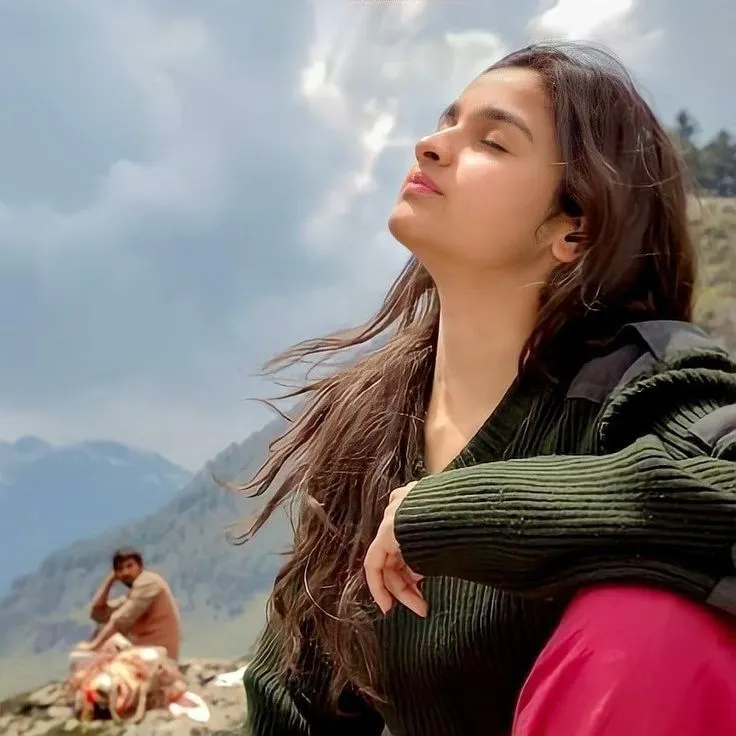
Rosie is overwhelmed by joy. Raju is one of the first people to notice and respect her passion for dance. She doesn’t fully understand where this new feeling leads yet — she just knows she feels happy.
“जाने क्या पा के मेरी ज़िन्दगी ने हँस कर कहा”
Did her life find Raju? Freedom? Dance? Herself? It doesn’t have to be just one thing. It’s the realization that something crucial was missing, and now life is smiling back at her.
“मैं हूँ गुबार या तूफ़ान हूँ, कोई बताये मैं कहाँ हूँ”
“डर है सफ़र में कहीं खो न जाऊँ, मैं रास्ता नया”
Freedom isn’t without fear. Stepping off the familiar, safe road into the unknown is terrifying. Is she rebelling? Making a mistake? This uncertainty makes the moment deeply human.
“कल के अँधेरों से निकल के, देखा है आँखें मलते-मलते”
“फूल ही फूल, ज़िन्दगी बहार है, तय कर लिया”
She wakes up from the darkness of her past and makes a deliberate choice. She doesn’t know if every step will be right, but she decides to give herself a chance.
The Song as Rosie’s First Step Toward Freedom
This sequence acts as a major turning point in Rosie’s life. Coming right after the peak tension in her marriage, Raju reminds her that her life is precious. The song carries the first gentle breeze of liberation. She isn’t completely free yet, but she is experiencing her first real touch of it.
And Then Comes Her Dance
Immediately after, Rosie dances freely in front of the sapera (snake charmer). Her energy shifts completely as she becomes absorbed in the music. Raju doesn’t create this passion — he simply witnesses and validates it. The dancer was always inside her; the song merely unlocked the door.
Rosie Is Not Just Finding Raju
It would be easy to read this scene as a woman leaving her husband for another man. But something far deeper is happening: Rosie is beginning to find Rosie.
Raju offers encouragement, but the passion, the choice, and the courage belong entirely to her. “Aaj Phir Jeene Ki Tamanna Hai” isn’t just about wanting to live again — it is the anthem of a woman deciding to live as herself.