Lessons From Cabinda: What the World Can Learn About Occupation

A Forgotten Conflict with Global Relevance: Understanding Occupation, Self-Determination, Human Rights, and the Ongoing Struggle of the Cabindan People

The Forgotten Conflict in Central Africa
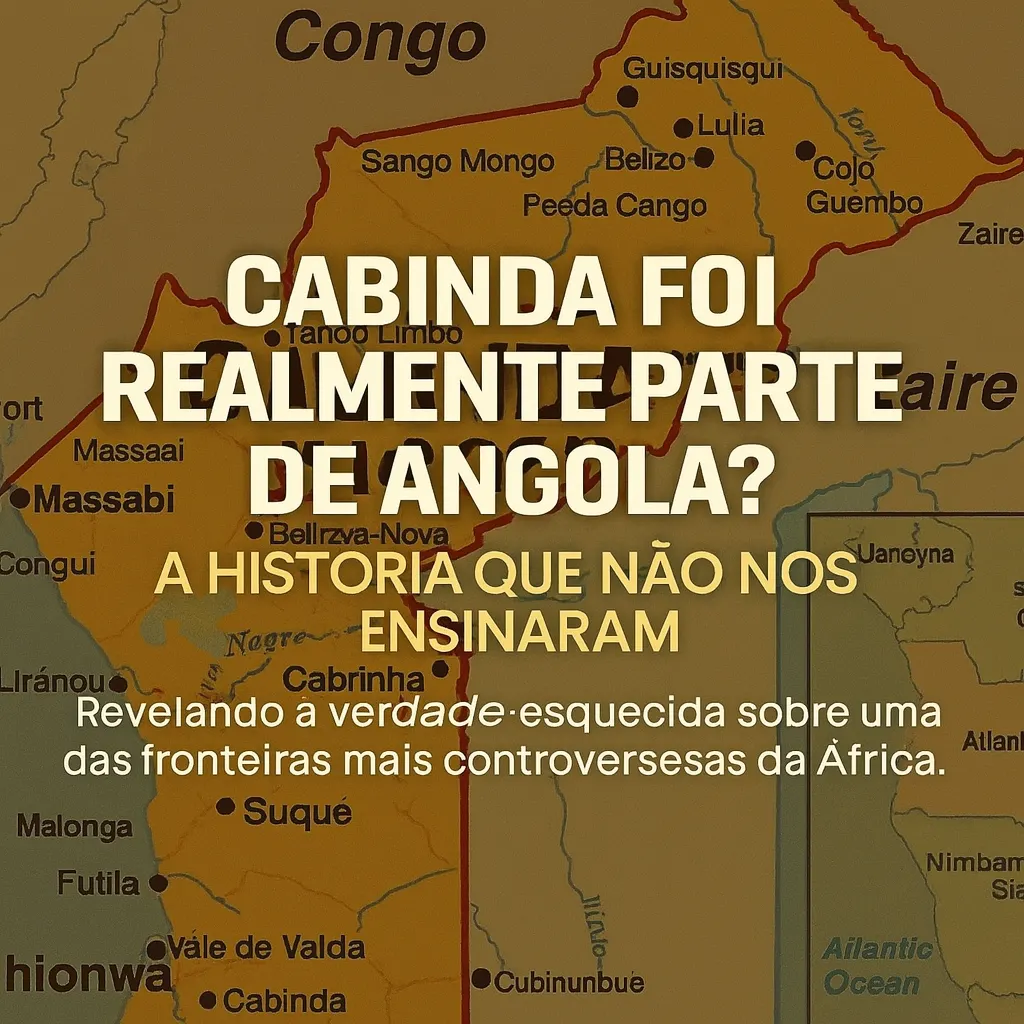
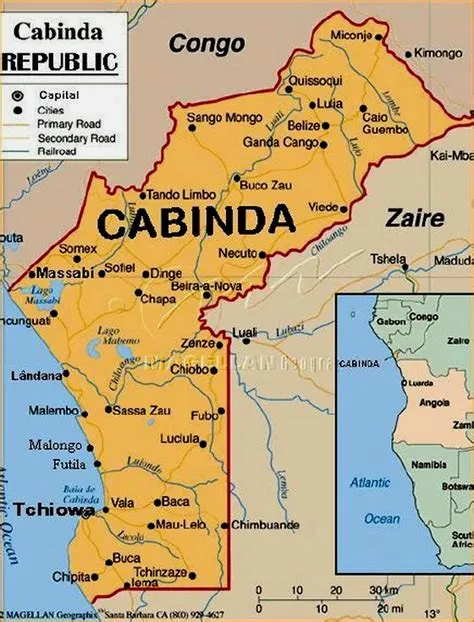
When people speak about occupied territories, they often mention places that dominate international headlines. Yet few outside Central Africa know about Cabinda — a small territory separated geographically from Angola by a strip of land belonging to the Democratic Republic of Congo.
Despite its distinct colonial history and the historical significance of the Treaty of Simulambuco signed in 1885, Cabinda was incorporated into Angola after Portuguese colonial withdrawal. Since then, many Cabindans have argued that their right to self-determination has been ignored.
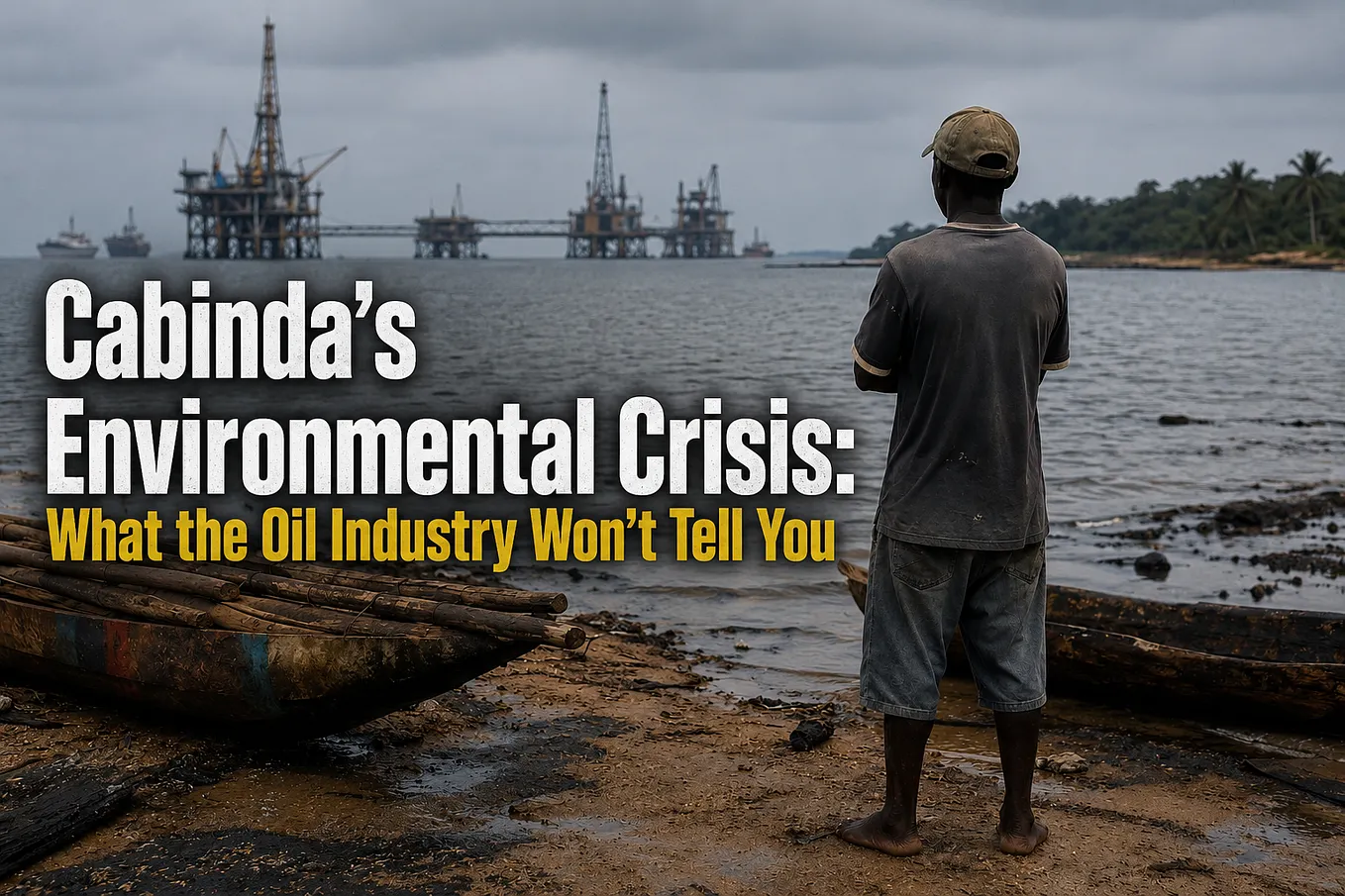
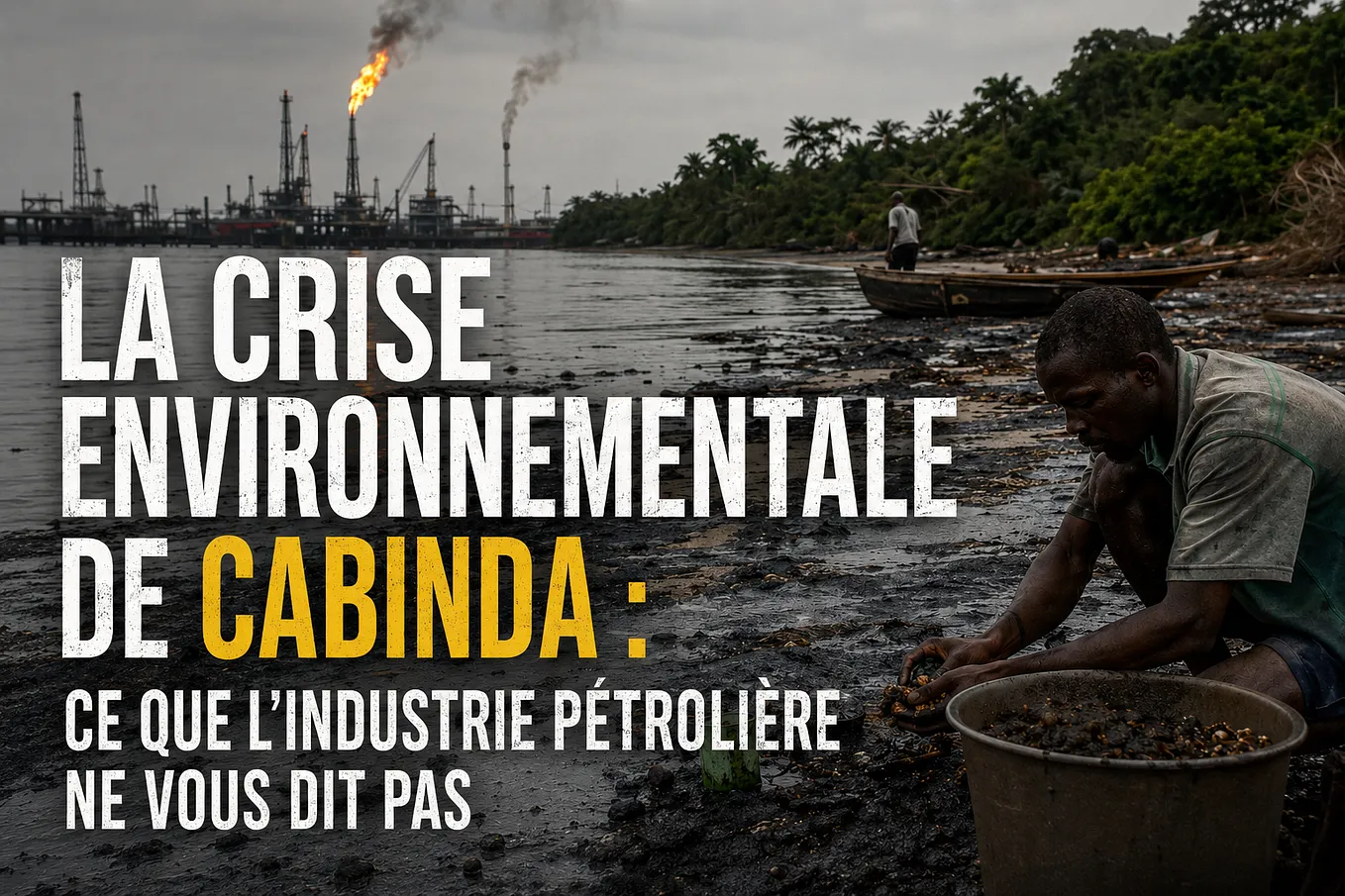
Today, Cabinda remains one of the most resource-rich territories in Africa because of its massive offshore oil reserves. Ironically, that same wealth has contributed to decades of militarization, political tension, arrests of activists, and accusations of human rights abuses.
The world rarely discusses Cabinda in international media, but silence does not erase reality.
Occupation Often Hides Behind Political Language
One of the first lessons the world can learn from Cabinda is that occupation is not always presented openly. Governments rarely use the word “occupation.” Instead, they speak about “national unity,” “territorial integrity,” or “security operations.”
But for many local populations living under heavy military control, political exclusion, censorship, and fear, the lived experience feels very different.
Cabinda demonstrates how disputed territories can become trapped between international diplomacy and the voices of local people. Global powers frequently prioritize oil, strategic alliances, and economic interests over difficult questions about historical agreements or self-determination.
This pattern is not unique to Cabinda. Across history, many regions rich in natural resources have experienced similar dynamics:
- Heavy military presence
- Suppression of dissent
- International silence
- Economic extraction without proportional local development
- Marginalization of local identity and history
Cabinda is part of a larger global conversation about power and control.
Natural Resources Can Become a Curse
Cabinda produces a large share of Angola’s oil wealth. Yet many residents and observers continue questioning why local infrastructure, education, healthcare, and employment opportunities do not reflect the immense value extracted from the territory.
This is one of the harshest lessons from Cabinda: natural resources can attract not only investment, but also political domination.
Throughout the world, oil-rich regions have often experienced:
- Corruption
- Foreign interference
- Militarization
- Economic inequality
- Environmental degradation
In Cabinda, the debate over who benefits from oil wealth remains central to political tensions.
For many activists, the issue is not only political independence — it is also economic justice.
Media Silence Is Powerful
Another major lesson from Cabinda is how global media shapes which struggles matter internationally.
Conflicts that receive constant media attention often generate diplomatic pressure, international campaigns, sanctions, and humanitarian responses. But conflicts ignored by global media frequently remain frozen for decades.
Cabinda rarely trends on international news channels. Human rights reports, protests, arrests, and political grievances often receive limited coverage compared to other international crises.
This creates a dangerous cycle:
- Limited media coverage leads to low public awareness.
- Low awareness reduces international pressure.
- Reduced pressure allows the situation to continue largely unnoticed.
In the digital age, this is why Cabindan activists increasingly use:
- Social media activism
- Independent journalism
- YouTube documentaries
- Facebook campaigns
- Medium articles
- Online petitions
- Diaspora advocacy
The internet has become one of the few tools capable of bypassing traditional media gatekeeping.
Identity Matters More Than Borders
One of the deepest global lessons from Cabinda is that identity cannot simply be erased through political administration.
Get Cabinda Voices’s stories in your inbox
Join Medium for free to get updates from this writer.
For generations, many Cabindans have maintained a distinct cultural, historical, and political identity. Even under pressure, that identity continues through:
- Oral history
- Family memory
- Local traditions
- Activism
- Diaspora communities
- Youth movements
History shows repeatedly that populations with strong collective identity rarely abandon their aspirations simply because the international community ignores them.
Whether in Africa, Europe, Asia, or the Middle East, unresolved identity-based conflicts tend to persist across generations when underlying grievances are not addressed.
Cabinda reminds the world that stability imposed without dialogue often remains fragile beneath the surface.
Human Rights Should Not Depend on Geopolitics
The Cabinda case also exposes a difficult truth about international politics: human rights concerns are often treated differently depending on strategic interests.
Countries rich in oil or valuable resources frequently receive softer international scrutiny compared to less strategically important nations.
This selective attention weakens global trust in international institutions and human rights discourse.
For many observers, the Cabinda issue raises uncomfortable questions:
- Why do some self-determination movements receive international attention while others are ignored?
- Why are some conflicts heavily covered while others disappear from headlines?
- How often do economic interests outweigh human rights concerns?
Cabinda forces the international community to confront these contradictions.
The Youth Are Refusing Silence
A new generation of Cabindans is increasingly using technology to challenge invisibility.
Young activists, writers, students, and members of the diaspora are building awareness through:
- TikTok videos
- Podcasts
- Facebook activism
- Online publications
- International networking
- Human rights campaigns
Unlike previous generations, today’s youth can communicate directly with global audiences without depending entirely on state-controlled narratives or traditional media institutions.
This digital resistance is changing the future of advocacy.
The battle for awareness is now global.
Why the World Should Pay Attention
Cabinda is not only a local African issue.
It is a case study in:
- Occupation and resistance
- Resource politics
- Media silence
- Human rights
- Self-determination
- Geopolitical double standards
- Digital activism
Ignoring unresolved conflicts does not make them disappear. In many cases, silence prolongs suffering and deepens instability.
The world should pay attention to Cabinda not because it is fashionable or politically convenient, but because every people deserves to have their history, identity, and grievances acknowledged.
Whether one agrees politically or not, no serious discussion about justice, international law, or human rights should exclude the voices of Cabinda.
Cabinda teaches the world that occupation is not always visible on television screens. Sometimes it exists quietly — hidden behind diplomacy, resource interests, and international silence.
But history has shown that forgotten struggles do not remain forgotten forever.
As more people discover the Cabinda case through independent media, social platforms, and global activism, the international conversation may eventually shift.
The real question is no longer whether the world can learn from Cabinda.
The question is whether the world is willing to listen.