The Quiet Revolution Happening Inside Our Homes

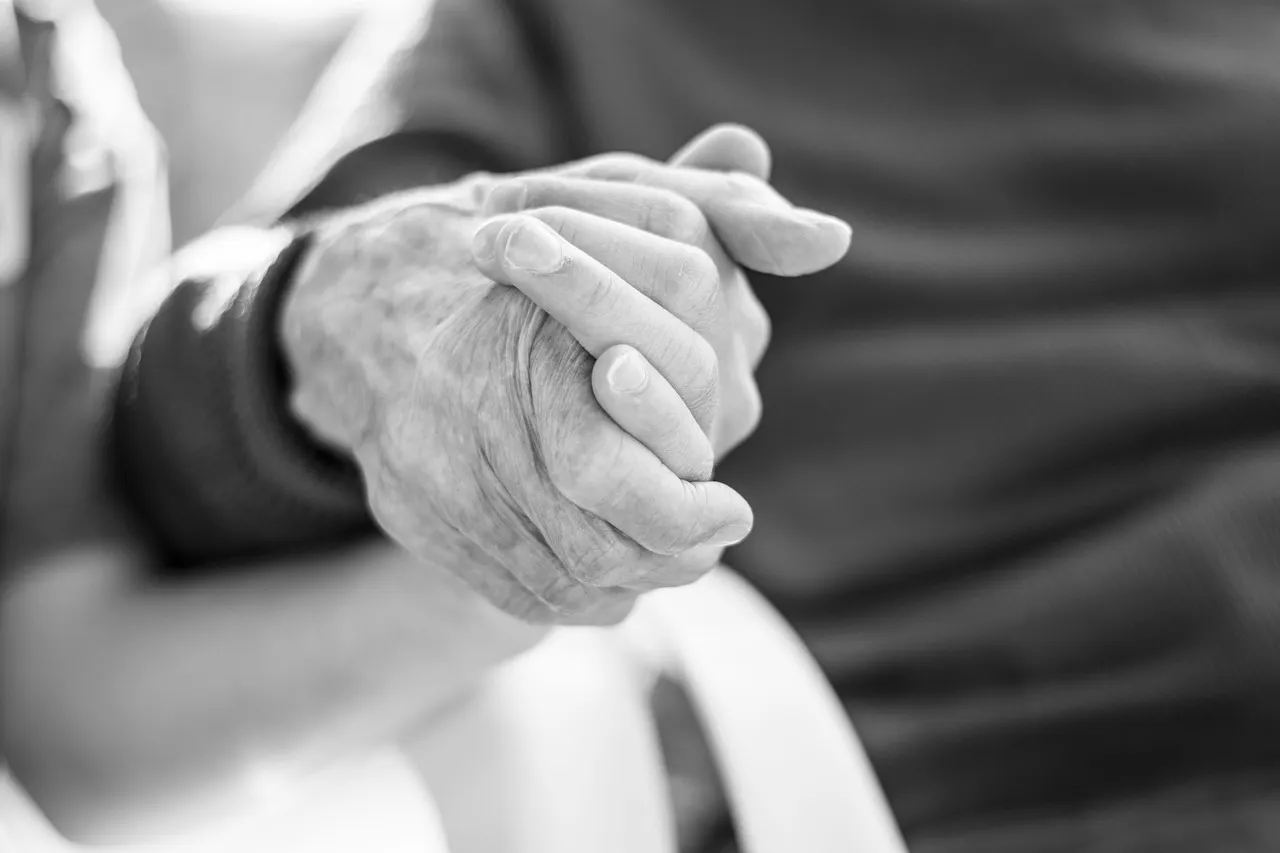
There is something quietly radical about the idea that the best place to heal, to age, to recover, and to simply be — is the place you already call home.
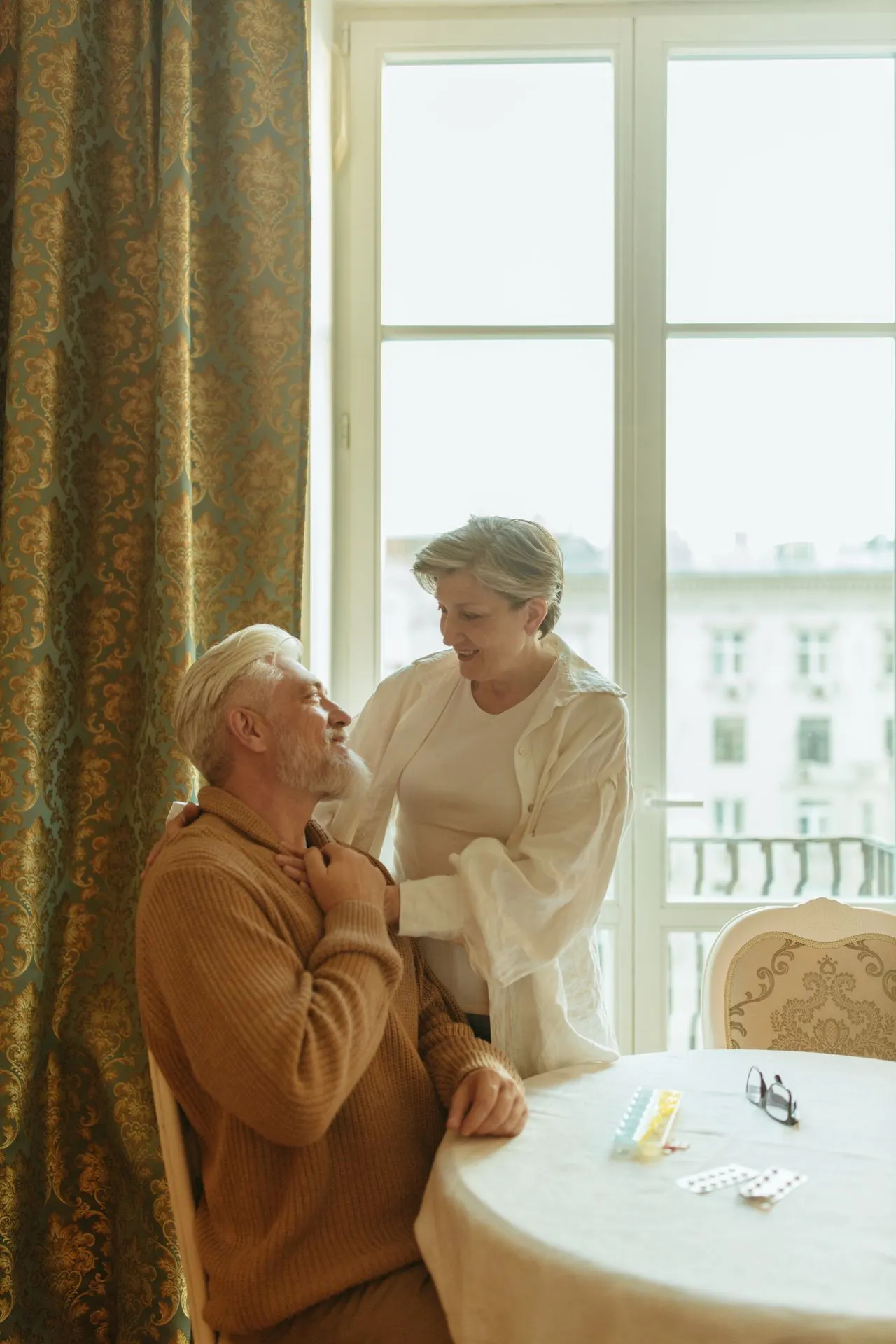
Not a facility. Not a ward. Not somewhere unfamiliar, where the sheets smell different and the walls hold none of your memories. Home. Your home. The one with the coffee-stained kitchen bench you keep meaning to replace, the garden that knows your hands, and the armchair that has perfectly memorised the shape of you.
This is not a sentimental idea. It is, increasingly, a revolution.

We Got Something Wrong
For decades, the default response to vulnerability — whether from ageing, illness, disability, or recovery — was removal. Take the person out of their environment. Place them somewhere “safer.” Surround them with professionals and protocols and the antiseptic certainty of institutional care.
It made a kind of logical sense on paper. But paper has never been very good at understanding human beings.
What we gradually, painfully learned is that when you remove a person from their home, you remove far more than just their address. You remove their autonomy. Their rhythm. Their sense of self. The thousand small, unremarkable things that together constitute a life — the neighbour who waves from across the fence, the particular angle of morning light through the bedroom window, the smell of your own kitchen — these things are not decorative. They are load-bearing. They hold people up.
Home as Medicine
There is now a compelling body of evidence that people recover faster, age better, and report significantly higher quality of life when they are supported within their own homes rather than relocated elsewhere. This is not simply about preference — though preference absolutely matters — it is about the biology and psychology of belonging.
Familiar environments reduce cognitive stress. Routine preserves mental sharpness. The ownership of one’s own space — the simple ability to decide when to eat, when to rest, what to watch, whether to have the windows open — turns out to be profoundly therapeutic.
Healing is not only clinical. It is contextual.
The New Shape of Support
Here is where the quiet revolution becomes visible. Rather than asking vulnerable people to adapt themselves to systems, the system is beginning — slowly, imperfectly, but genuinely — to adapt itself to people.
Get Care Cob AI’s stories in your inbox
Join Medium for free to get updates from this writer.
Home care packages represent this shift in its most practical form. Instead of a standardised bundle of services assigned to a category of need, support is now increasingly designed around the individual — their preferences, their goals, their daily rhythms, and the specific texture of their life.
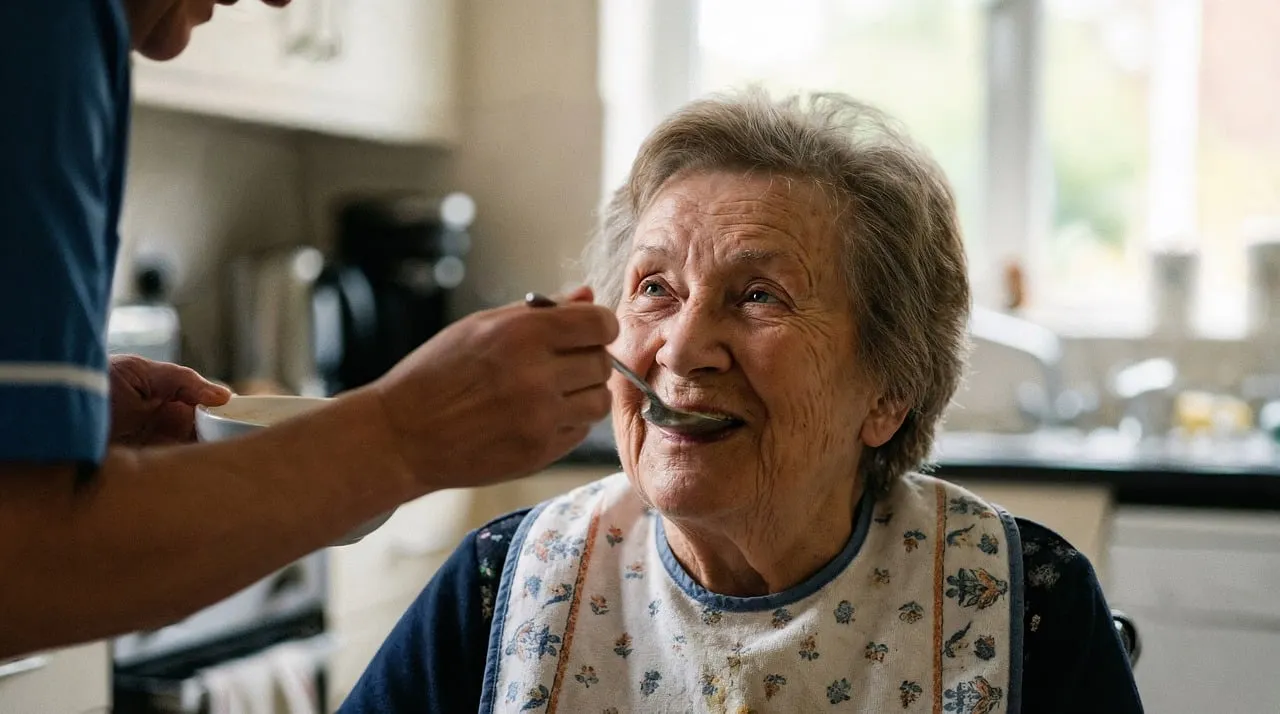
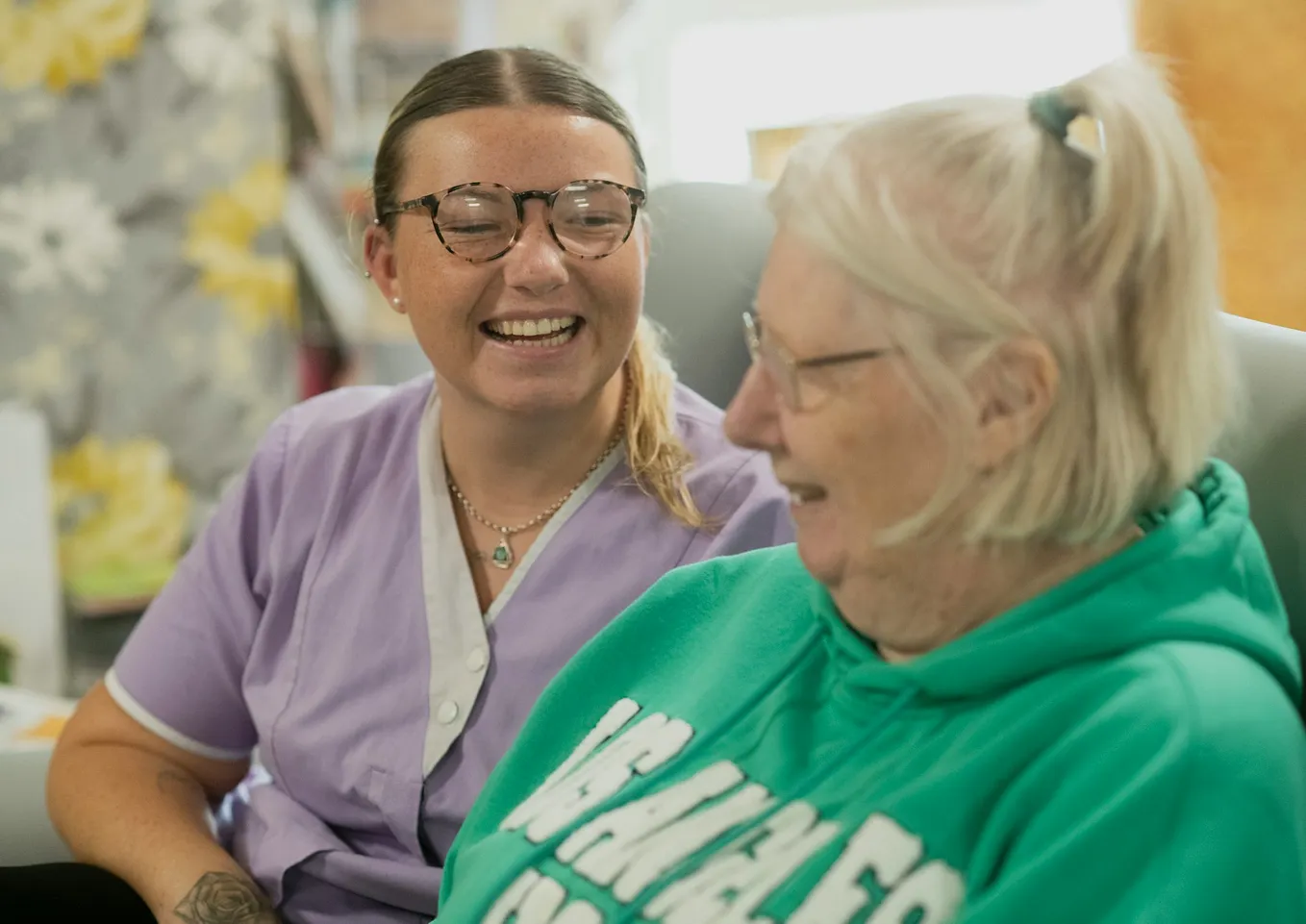
For one person, that might mean a support worker who assists with morning routines and medication, freeing up energy for an afternoon of gardening. For another, it might mean transport to a weekly community group, plus a physiotherapist who visits at home to help rebuild strength after a fall. For someone else still, it might be as simple — and as profound — as having someone trustworthy arrive twice a week to share a cup of tea and genuine conversation.
There is no single template. There is only the person.
The Invisible Architecture of Dignity
Dignity is one of those words that gets used so frequently in care conversations that it risks losing its edges. So let’s be specific about what dignity actually looks like in practice.
It looks like being asked what you want, not told what you need. It looks like a support worker who notices you seem quieter than usual and asks, gently, if everything is alright. It looks like having your cultural background, your faith, your food preferences, and your communication style genuinely respected — not noted on a form and then forgotten.
It looks like control. Even small, daily, ordinary control over your own existence is a form of dignity that no amount of clinical excellence can replace.
The People We Forget to Talk About
There is another group in this story who rarely appear in the headlines: the family members, partners, and friends who quietly, exhaustedly, lovingly provide enormous amounts of informal care every single day.
They deserve acknowledgment. And they deserve support too — not just as conduits to the person receiving care, but as human beings navigating something genuinely difficult. Respite, information, emotional support, and practical assistance are not luxuries for carers. They are necessities.
The Future Is Familiar
The most exciting development in care is not a new technology or a policy reform, though both have their place. It is a shift in philosophy — a growing collective recognition that people are not problems to be managed. They are lives to be honoured. And the best place to honour a life?
More often than not, it’s right where that life has always been lived.