The Lane-Change Mistake Almost Every Learner Makes (And Why It’s Not Their Fault)

A driving instructor’s take on why “wait for a gap” is the wrong way to teach lane changes

Ask any learner why they haven’t signalled yet, and you’ll usually get one of two answers: “I didn’t want to interrupt anyone,” or “I don’t think they’ll let me in anyway.” Both come from the same place — the belief that signalling is a request, and requests can be denied.
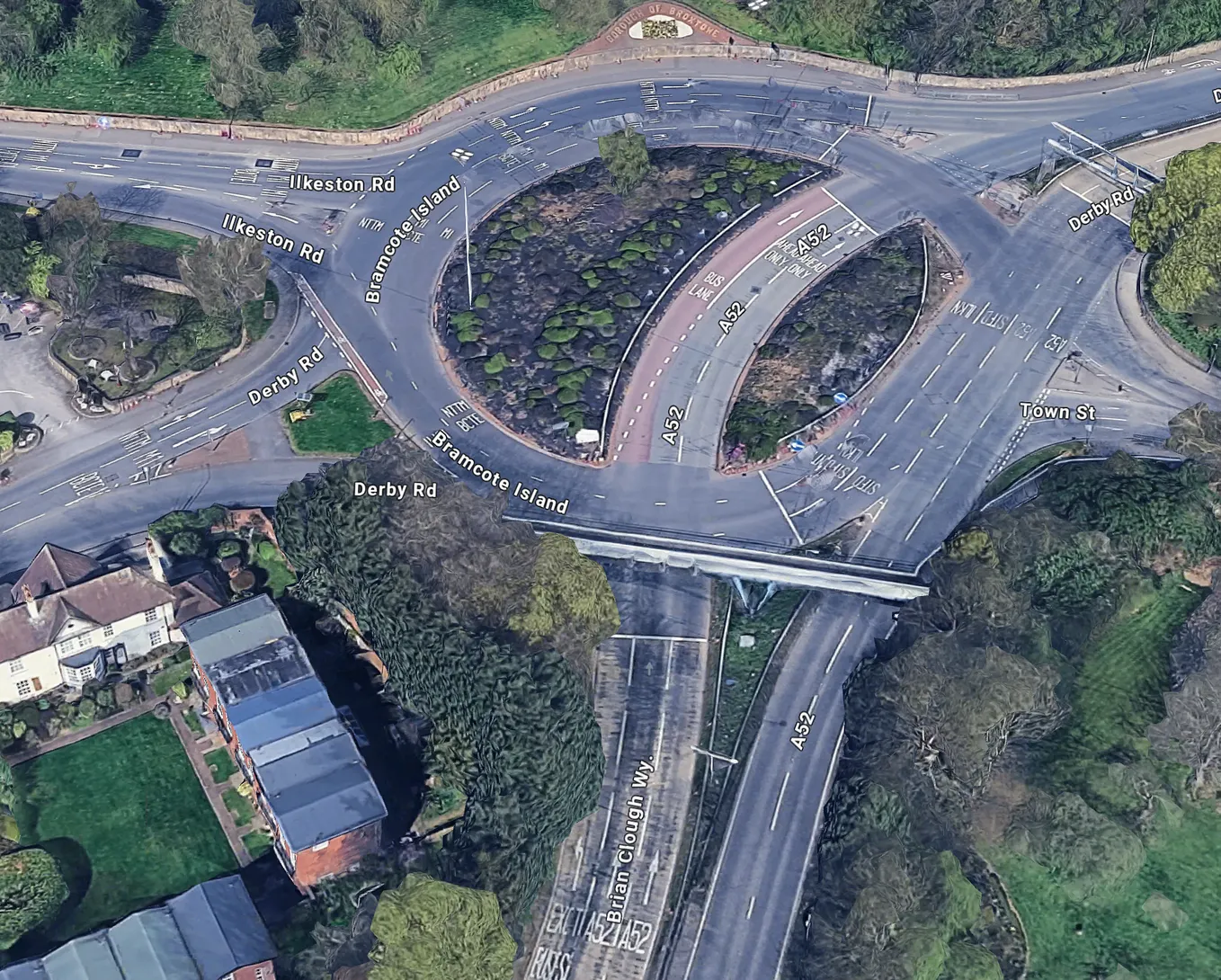
It’s an understandable belief. Nobody wants to feel like they’re forcing their way into a lane. But it produces a habit that actively works against the learner: waiting for a fully empty lane before indicating. On a genuinely busy road — the A52 into Nottingham, or the Ring Road at rush hour — that empty lane rarely, if ever, appears. So the learner waits. And waits. And the lane change that should have taken ten seconds turns into a stressful standoff that ends in a rushed, poorly-timed move, or no move at all.
Here’s the reframe I use with every student: a signal is not a question. It’s a statement. You’re not asking “can I come in?” You’re saying “this is what I’m about to do.” The other drivers don’t have to make room for you — but you’re not waiting for them to. You’re managing your own timing.
Get Mohammad Habib’s stories in your inbox
Join Medium for free to get updates from this writer.
That changes the whole sequence:
- Plan Early, Signal Appropriately — while the lane still has traffic in it — not once it clears
- Keep signalling and keep observing — mirrors first, then a blind-spot check, because the picture is still changing after you’ve indicated
- Move only when you’ve confirmed it’s safe yourself — never because a gap “feels” like an invitation, and never because of a flashed headlight (the Highway Code is explicit: a flash only means “I’m here,” never “go ahead”)
None of this is about being assertive or claiming space. It’s about sequencing — communicate, observe, act — instead of waiting for the world to open a door for you.
I teach this as one of the first “confidence” lessons for learners in Nottingham, because once it clicks, busy roads stop feeling like an obstacle and start feeling like something they can read and respond to.
Full guide with Highway Code rule references: [hedrivingschool.co.uk/changing-lanes-heavy-traffic-nottingham/]