The End of the Isolated Artwork

Why the most significant works of the twenty-first century may no longer exist as single objects.
For centuries, painting has been understood as a self-contained object.
Whether displayed in a church, a palace, a private collection, or a museum gallery, the work of art has traditionally been expected to possess its own formal integrity. A painting might belong to a series, respond to another artist, or participate in a broader historical movement, but its aesthetic identity was generally considered complete within the boundaries of its frame. The artwork stood alone, and art history was written largely through the study of individual objects.
Contemporary practice increasingly challenges that assumption.
Across museums and biennales, works of art now appear alongside archives, films, diagrams, performances, interviews, digital environments, scientific collaborations, and extensive bodies of research. The exhibition has become an ecosystem rather than a sequence of autonomous objects. Meaning is often distributed across multiple forms rather than concentrated in a single image.
This development raises a question that reaches beyond any particular medium.
Can a single artwork still contain the full scope of an artistic idea?
The question is especially relevant in an age defined by complexity. Climate change cannot be reduced to one image. Artificial intelligence cannot be understood through a single diagram. Global migration, digital communication, ecological systems, and geopolitical networks all unfold through relationships that exceed the capacity of isolated representation. Increasingly, artists respond by constructing projects that operate across multiple media, temporalities, and forms of knowledge.
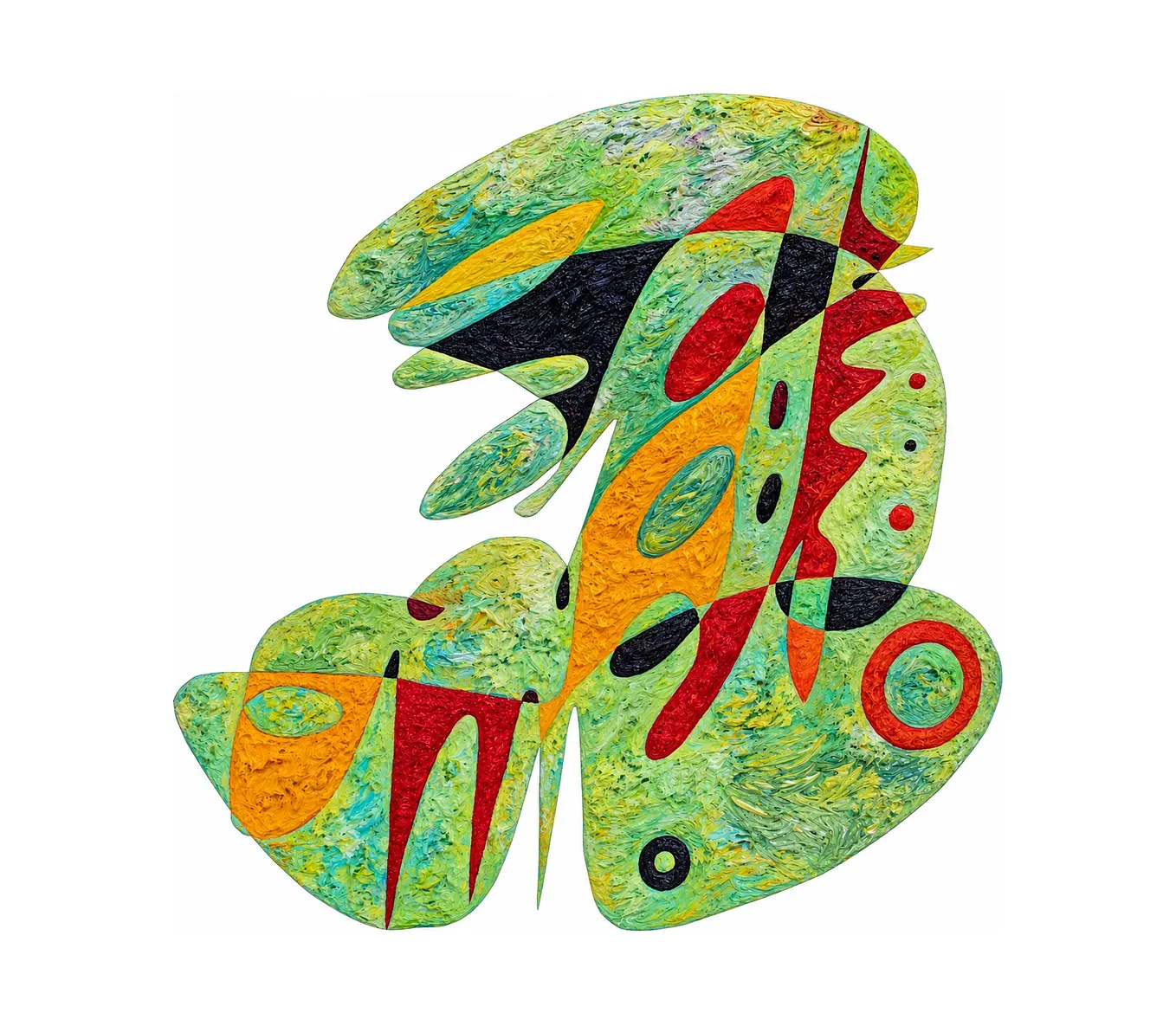
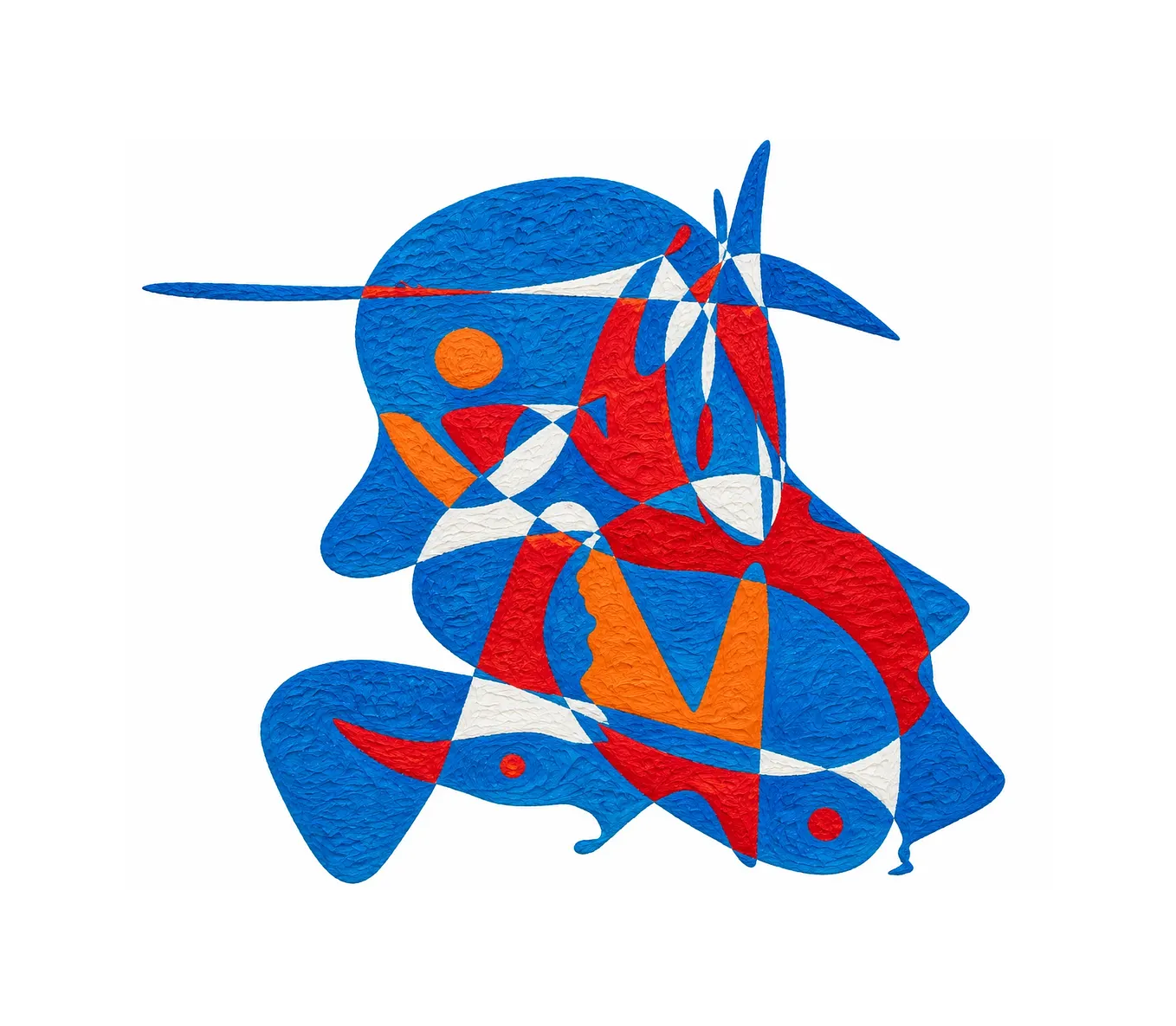
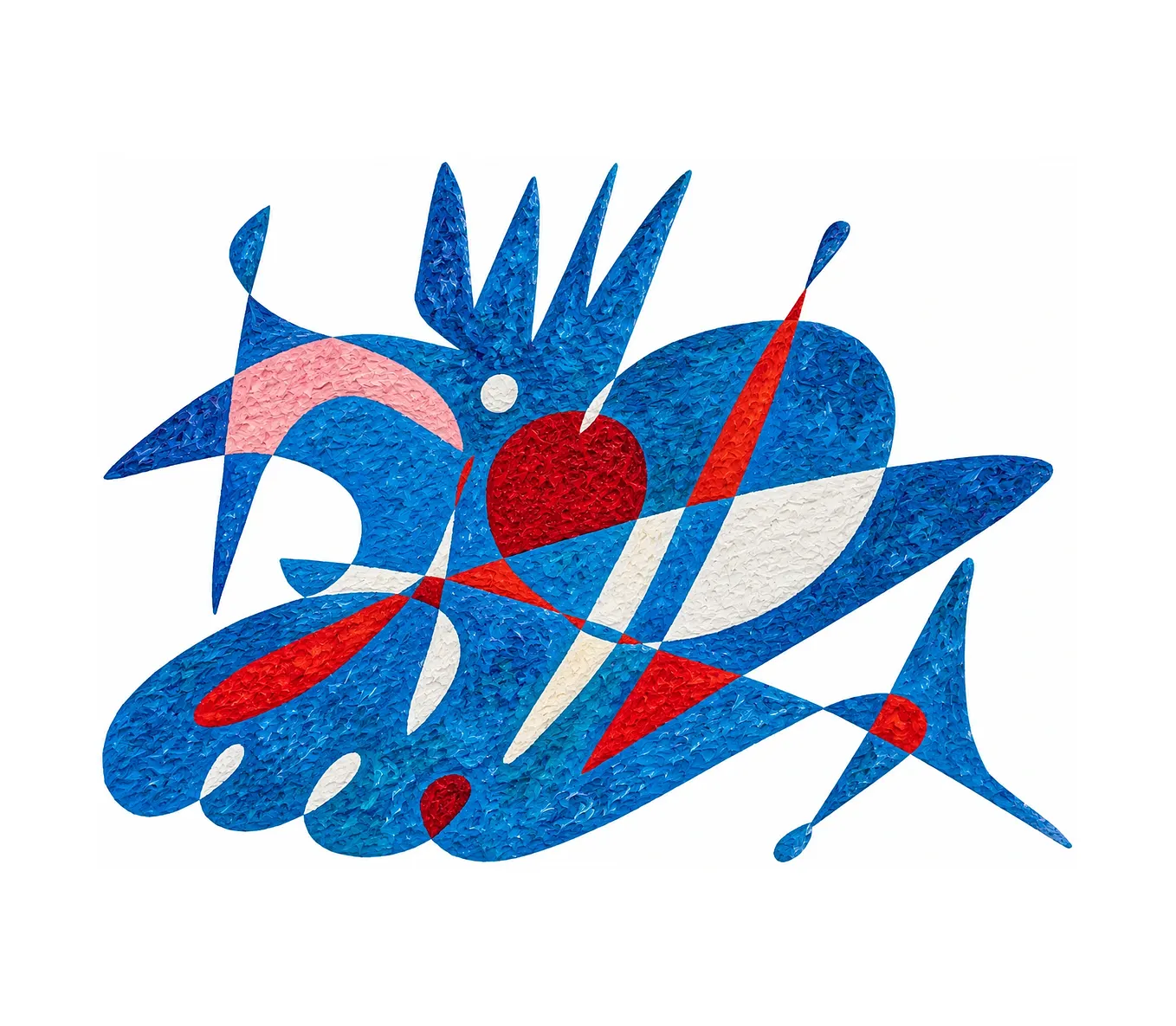
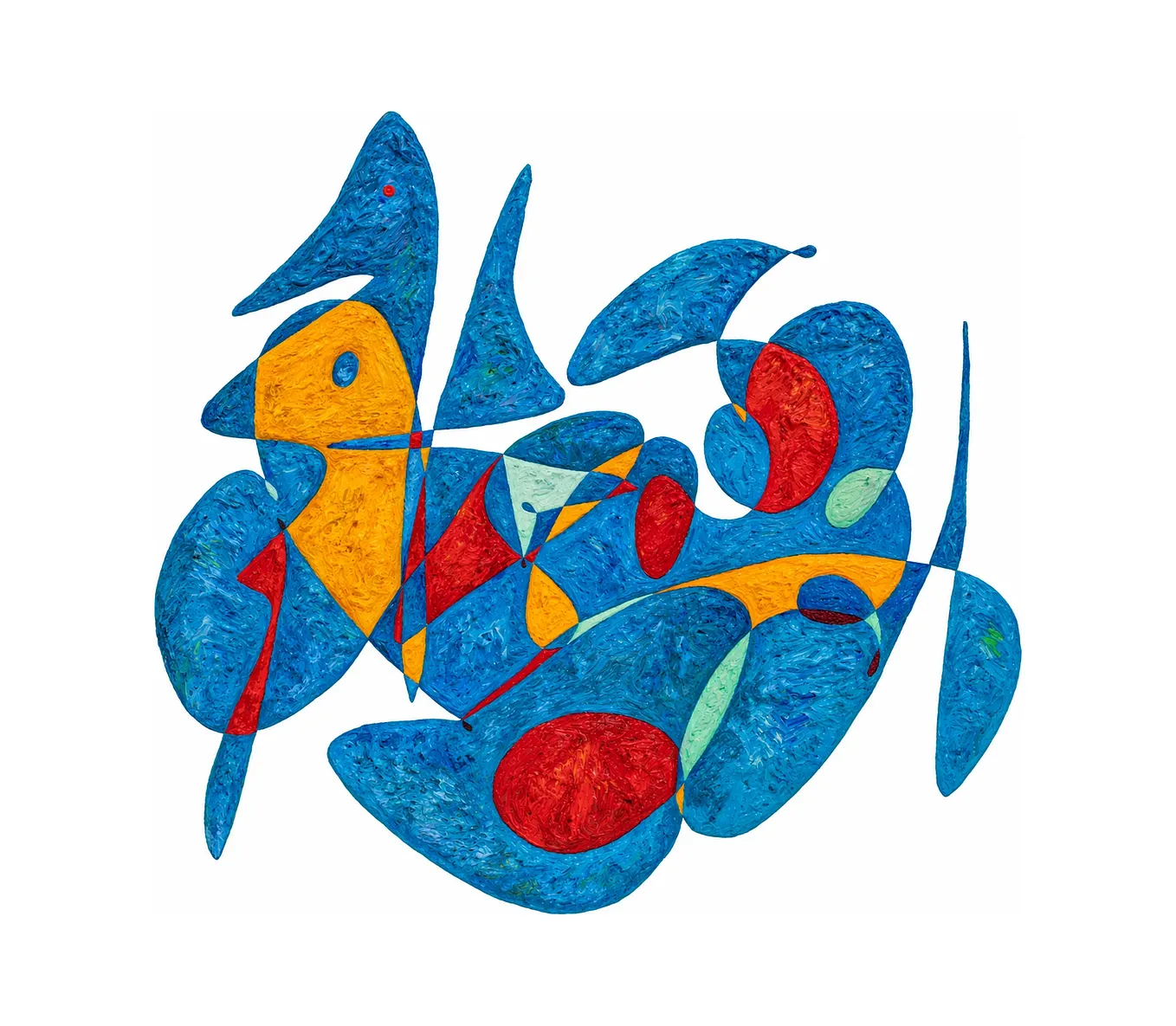
The research programme developed through Epistemic Painting belongs to this broader transformation. Individual paintings are presented not as isolated aesthetic statements but as components within an interconnected intellectual structure comprising theoretical publications, codex paintings, curatorial models, and methodological research. Rather than diminishing the autonomy of the painting, this structure expands the context through which it is understood. Each work remains complete as an artwork while simultaneously participating in a larger system of inquiry.

This distinction has important historical precedents.
Medieval cathedral cycles were never intended to be experienced as individual images. Renaissance fresco programmes unfolded across entire architectural spaces. Aby Warburg’s Mnemosyne Atlas organised meaning through relationships among images rather than through singular masterpieces. Twentieth-century installation art similarly expanded artistic experience beyond the isolated object. What distinguishes many contemporary research-based practices is not simply the multiplication of media, but the integration of artworks, texts, archives, and methodologies into coherent systems of investigation.
Get DV’s stories in your inbox
Join Medium for free to get updates from this writer.
Within this context, the boundaries of the artwork begin to shift.
A painting may remain the visual centre of a project without exhausting its intellectual content. Publications extend methodological arguments. Codex paintings develop parallel lines of inquiry. Exhibition design establishes relationships impossible to communicate through a single canvas. Documentation becomes part of interpretation rather than merely a historical record.
The artwork no longer ends at its physical edge.
This evolution also changes the responsibilities of museums.
Collecting a painting may no longer be sufficient to preserve the work as it was conceived. Institutions increasingly acquire archives, correspondence, preparatory studies, digital assets, installation instructions, and research documentation because these materials are integral to understanding the artistic project. Conservation itself expands from preserving objects to preserving systems of knowledge.
Collectors face a similar transformation.
Traditionally, the acquisition of a major painting secured ownership of a complete artistic statement. Research-based practices complicate this model. The painting retains its aesthetic and material integrity, yet its fullest meaning often emerges through relationships with publications, companion works, and evolving research. Collecting becomes an act of preserving intellectual continuity rather than assembling isolated objects.
None of this signals the disappearance of the autonomous artwork.

The single painting will remain one of the defining forms of artistic expression. What is changing is the scale at which some artists conceive their work. Increasingly, the individual object functions as part of a larger architecture whose coherence cannot be understood through formal analysis alone.
Art history has long been organised around masterpieces.
The twenty-first century may increasingly ask us to recognise something different.
Not only exceptional works —
but exceptional systems through which works acquire meaning together.