Jeweled Breadcrumb # 400 : facing the darkest parts of ourselves


… the fount of every blessing flows through our fleshy hearts.
Sermon on Genesis 32:22–31, Psalm 17:1–7,16, Matthew 14:13–21
All words written by a real human being.
Have you ever suffered through one of those nights, tossing and turning, wrestling with your racing mind and menacing monsters until at long last a thin green line sketches the eastern horizon, promising another daybreak or another day that threatens to break you? And before you gird up your loins to roll out of bed perhaps you pray, “O God, I will not face this day without your blessing?”
This morning we join Jacob on the riverbank of the Jabbok. Jacob is terrified to meet his brother Esau whom, years earlier Jacob cheated out of his birthright and stole the blessing that their father Issac should have given to Esau. By lying to his blind father when he asked Jacob, “Tell me your name,” Jacob answered “I am Esau, your first born son,” Jacob deceived and betrayed both his father and his brother, which ignites Esau’s murderous rage, compelling Jacob to run away from home.
Eventually Jacob finds himself alone in the wilderness where he dreams of a ladder reaching to heaven and experiences God’s promise to be with him and eventually bring him back home. Clearly an unexpected, and arguably, undeserved blessing. Now, let’s leap across time and the high drama of Jacob’s marriages to Leah and Rachel, pass over years laced with his scheming and deceit, until the moment Jacob ‘hears’ God instructing him to return to his homeland. So Jacob sends messengers to let his brother Esau know that he is coming. But when the messengers return, they tell Jacob that Esau is coming to meet him accompanied by four hundred men. Jacob is more that a little alarmed. This is the context in which we find Jacob wrestling throughout the night in this morning’s Hebrew text.
For me, the first question that comes to mind is, “With whom is Jacob wrestling?” On this matter theologians do not agree. Some say its an angel of God, others a river demon, still others point to Esau.
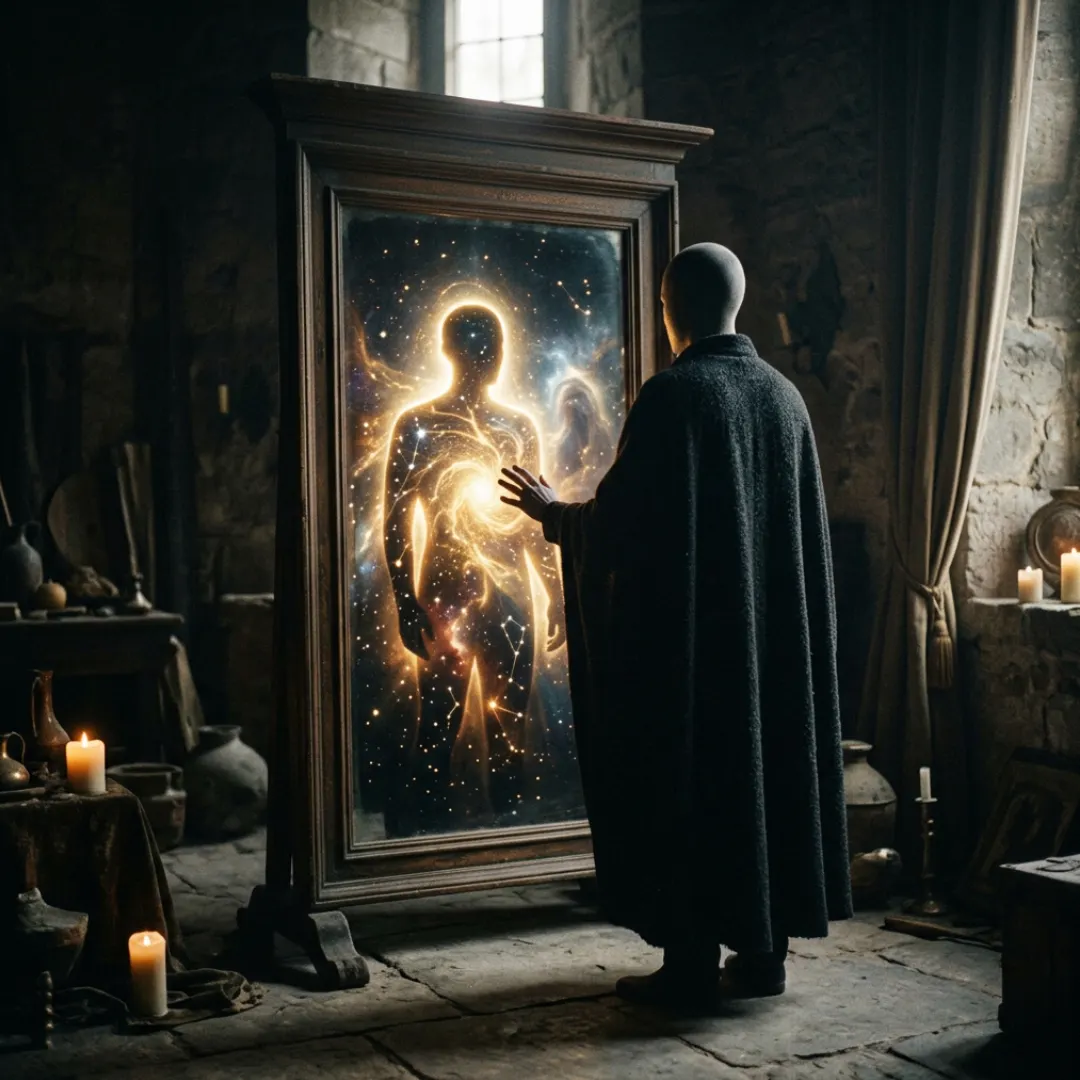
Let me suggest that this morning we meet Jacob at his moment of reckoning, coming face to face with his past deceptions and betrayals, wrestling with himself. We are not surprised that Jacob is tormented as he is about to meet his brother. Neither are we surprised that the night of wrestling results in Jacob’s hip being ‘put out of joint,’ he can never again run away.
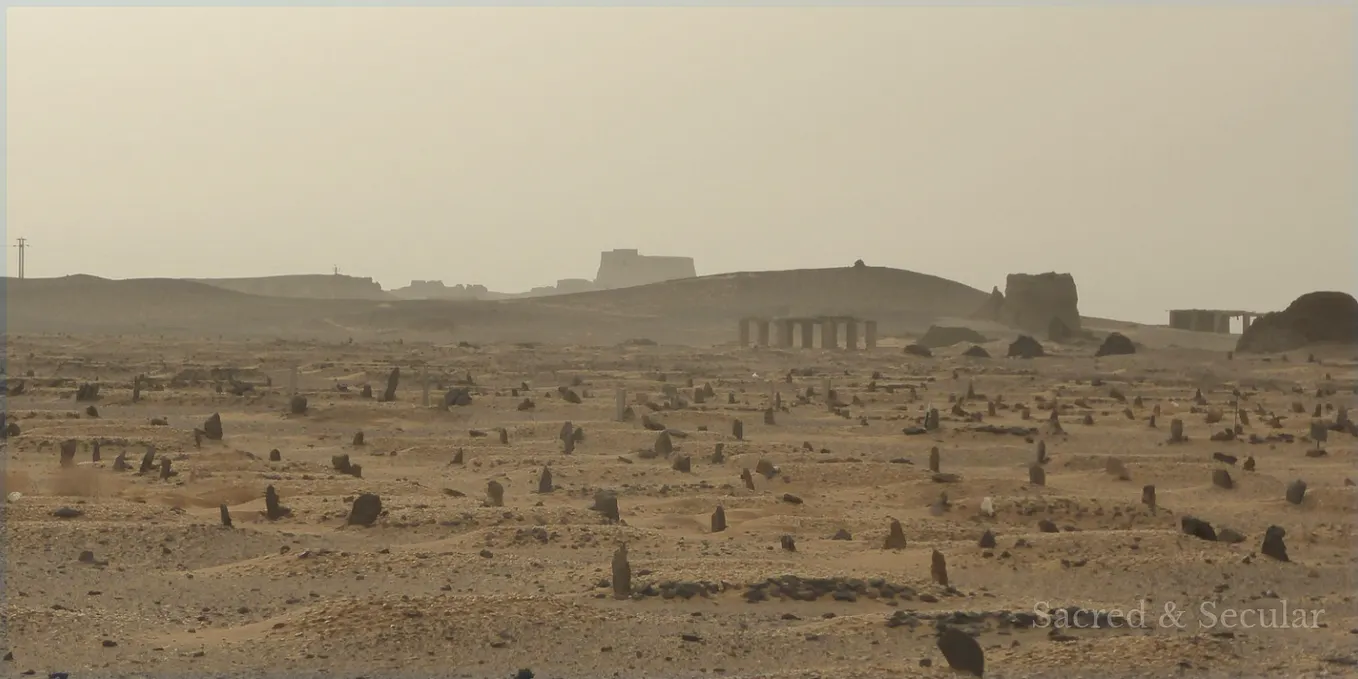
Here is a bit more context. Jacob sent Leah, Rachel and the rest of his family away, purposely remaining alone on the desert. I wonder, has he made the conscious decision to face the truth of himself and to seek God’s blessing before his encounter with Esau? Was this the moment Jacob decided to be honest with himself and with God?
Here is the thing. In God’s economy, there are no monsters and all is never lost. No matter what we have done or not done, no matter our grand success or abject failure, God does not abandon us. Like Jacob, early in our journeys we may be surprised by God’s amazing grace; if not in a dream of a ladder to heaven, perhaps a moment of peace or comfort in the midst of unspeakable trauma, a surprising turn of events, undeserved gift of compassion.
Get Debra Asis’s stories in your inbox
Join Medium for free to get updates from this writer.
But, as Dietrich Bonhoeffer reminds us in The Cost of Discipleship, grace, Gods blessing, is not cheap. Something more is required of us than automatic, free pass, forgiveness. Sooner or later we must come face to face with who we are, our most vulnerable parts, the bits and baubles that we have kept hidden, all of our fears and the clever ways we have tried to protect ourselves. Sooner or later we wrestle with God and God wrestles with us.
If, rather than running away, withdrawing, distracting or medicating ourselves, we stay and face the truth of ourselves, endure the humiliation and refuse to give up, we too will meet God and join Jacob proclaiming, “For I have seen God face to face, and yet my life is preserved.”
Perhaps this is why you decided to come to church this morning, to gather together to ask the Lord’s blessing, because the prospect of navigating the whims and wiles of our world today is too daunting to go it alone. Even if we do not believe in monsters or creepy things lurking in the dark, the tentacles of uncertainty torment us and we cannot help but calling out, “O God, I will not let you go unless you bless me!”
During his night of wrestling, Jacob comes face to face with the darkest parts of himself. But his story does not end in torment. After wrestling with God Jacob’s identity is transformed, his name is changed to “Israel, for (he has) striven with God and with humans, and has prevailed.” Only then can Jacob face and be reconciled with his brother Esau. And still his story does not end. Jacob continues to evolve, grow in courage and character, protecting Rachel, Leah, and fathering the twelve tribes of Israel. Clearly, Jacob’s dark night of wrestling with God is a blessing that bears incredible good fruit.
In an interview with Brother David Steindl-Rast, a Benedictine monk and practitioner of Zen Buddhism, Brother David insists, “the difference between other animals around us and ourselves seems to be that dogs and cats and birds and other animals don’t have to struggle to be good at what they are. But we human beings somehow have to struggle to become what we are.” (72)
I believe the struggle to become what we are boils down to the face off between our hearts of flesh and our hearts of stone. Our hearts are more or less hardened to stone by deeply embedded ideologies, purity codes, depending on our personal schemes to acquire security, safety, esteem, power and control, while disregarding the deepest desire of our hearts of flesh, to be in intimate relationship with God. By these means we turn away from our true self which turns us away from God and renders us prisoners of our hearts of stone.
All is not lost, so we join our Psalmist singing, “weigh my heart, O God, summon me by night… I call upon you, O God, for you will answer me.”
Like Jacob, the people seeking Jesus in this morning’s gospel text, come to a deserted place. It is evening and the crowds of people have nothing with which to feed themselves. Out of their hearts of stone the disciples instruct Jesus to “send the people away to find food for themselves.” But out of his heart of flesh, Jesus takes a few utterly insufficient loaves, turns toward God, blesses and breaks them, and all the people are well fed.
Dear people of God, the fount of every blessing flows through our fleshy hearts. Do not be afraid to face your fears, admit the clever ways you try to protect yourself. Acknowledge your hidden bits and baubles, look straight into the face of your most vulnerable parts, and insist, “O God, I will not let you go unless you bless me,” and there is every chance you will find yourself proclaiming with Jacob, “For I have seen God face to face, and yet my life is preserved.” Amen.
The Rev. Debra Asis
Preached for St. Bede’s Episcopal Church,
Santa Fe, NM
2 August 2026
Thank you for reading these words, created by grace and the grit of a real human being. Debra Asis
You may also appreciate
The Pearl Of The Poor : wrestling with unwelcome news
If you find this post meaningful….
please stay on the site for 30+ seconds & share with friends!
Please clap as many times as you like 👏 Your claps help me be read by more people. Thank you!!!!