Sleepless nights, countless drafts: my journey of writing “IKN: Engraving the Future City”
This is my very first project in RuangWaktu, my veeery first job (I’ll always thank Bapak Wicaksono Sarosa who gave me the chance and believed in me no matter what).
On my very first day of work, July 1st, 2024, Pak Wicak, as he is familiarly called, told me that we had to write the IKN planning and designing journey under the guidance of the Task Force for IKN Infrastructure Development Planning of the Ministry of Public Works and Housing.
Only two days later, the initial meeting was held, and I was there. After that, the project started immediately, supposed to be done by mid-October 2024, right before the new government began.
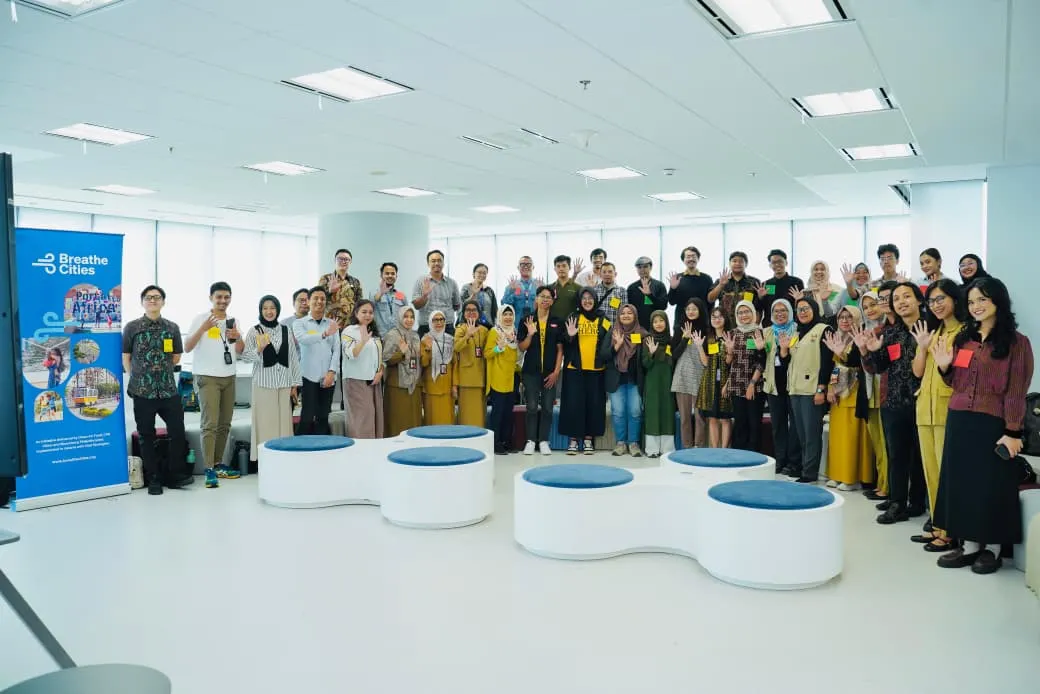
It was such a thrilling adventure, yet impressive. This project involved more than 40 key actors behind the IKN planning and designing.
I assisted both in the administrative and substantive aspects. That’s the tricky part! My time management skills were truly tested, but thankfully, I made it through.
On the administrative side, I handled contracts, ensured the ongoing progress aligned with the timeline, and prepared both the project contract report and the book itself.
On the substantive side, I bridged the writer team and the Task Force, contacted contributors, compiled their contributions, and turned them into a coherent, flowing, and easy-to-read book. One of the biggest challenges was translating technical terms into popular words so the book would be easy to understand and could reach wider audiences.
To meet the tight deadlines, we even prepared alternative layout designs. Since the book was bilingual, there were nights when I had to translate it before it was finalized. Safe to say, I had four different roles here!
Get Desita Dwiyanti’s stories in your inbox
Join Medium for free to get updates from this writer.
After many sleepless nights, everything finally paid off: the book was finished on time. I also want to take this moment to thank the amazing writer team who gave their best work.
Mas Yeriko Septiawan and Mbak Anindya Puteri who stayed up all night with me; Mbak Savitri Soegijoko who translated it precisely; Pak Ahsa Zuhri who laid it out beautifully; Mas Pradamas Gifarry who proofread it carefully; and of course Pak Wicak, Pak Nirwono Joga, Pak Yayat Supriatna, Pak Hadi Sucahyono, Bu Sarwo Handayani who guided and audited the process.
Without them, this book would not have been possible.
But beyond the technical side, this project taught me valuable lessons. During the writing period, I learned that IKN, Indonesia’s future capital city, is planned with the ambition to be a sustainable, smart, and global city that represents Indonesia.
By interacting with the contributors, I saw their pure dedication: their hard work, hopes, and efforts to make the capital city project succeed. They poured their time and thoughts into this megaproject, simply because they want the best for Indonesia.
I also saw many innovative approaches in IKN’s planning that hopefully can be replicated in other cities. Yet, we cannot ignore the shortcomings: the controversies, the rushed processes, the overlooked details. These flaws can still be turned into valuable lessons, so other cities don’t repeat the same mistakes.
For me, one important stance remains clear: there should not be a city that stands superior or overly special compared to others. Planning must always be done carefully and wisely, because planning is irreversible. Once it is broken, it cannot be undone.
In the end, this first project not only sharpened my skills but also deepened my perspective: city planning is never just about physical design, but about people, intentions, lessons, and responsibilities.