Cognitive Health & Hearing Loss: The Link Between Hearing & Brain Function

For many years, we generally considered hearing loss to be primarily an issue of reduced sound perception — a simple failing of the ears. However, extensive neurological and audiological research now paints a far more complex picture, demonstrating an undeniable and critical link between hearing ability and long-term cognitive health. Far from being an isolated sensory problem, untreated hearing loss places a substantial burden on the brain, ultimately impacting memory, attention, and the risk of developing dementia.
How Hearing Loss Affects Brain Function
The prevailing scientific consensus suggests three main pathways connect reduced hearing to cognitive decline:
The Cognitive Overload Hypothesis: When sound signals reaching the brain are degraded, the brain must devote an excessive amount of its cognitive reserve merely to decipher and interpret speech. This is known as cognitive load.
· The brain redirects resources normally allocated for higher-order thinking, such as memory encoding and executive function, to the demanding task of hearing.
· Over time, this chronic over-exertion may deplete mental capacity, leaving fewer resources for important cognitive tasks.
Sensory Deprivation and Brain Atrophy: The auditory nerve pathways rely on constant, rich stimulation to maintain function.
· When hearing loss limits the incoming sound signals, the auditory processing centres in the brain experience sensory deprivation.
· Research, including studies from Johns Hopkins, has shown that people with hearing loss can exhibit an accelerated rate of brain atrophy, particularly in the regions of the brain that process sound and speech. This reorganisation and resultant shrinkage underscore a biological change.
The Role of Social Isolation: Hearing impairment often leads to social withdrawal.
· When following group conversation becomes exhausting or embarrassing, individuals frequently choose to avoid social settings altogether.
Get Dr George Hearing Centers’s stories in your inbox
Join Medium for free to get updates from this writer.
· This isolation is a well-established, independent risk factor for both depression and dementia, as a lack of mental engagement reduces the necessary stimulus for healthy brain function.
Evidence That Treatment Helps
Fortunately, the evidence suggests that treating hearing loss offers a viable strategy for slowing the rate of cognitive decline.
The landmark Aging and Cognitive Health Evaluation in Elders (ACHIEVE) study, a large-scale, randomised, controlled clinical trial, provides compelling evidence.
· Published in The Lancet, the research focused on older adults aged 70 to 84 with untreated mild to moderate hearing loss.
· For the subgroup of participants already at an elevated risk for cognitive decline, a comprehensive hearing intervention — including the use of hearing aids Cyprus and counselling — slowed the loss of thinking and memory abilities by a remarkable 48% over a three-year period, according to the NIH and Alzheimer’s Association.
This finding is a significant indicator that timely treatment offers a profound preventative benefit for vulnerable populations.
A Proactive Step for the Mind
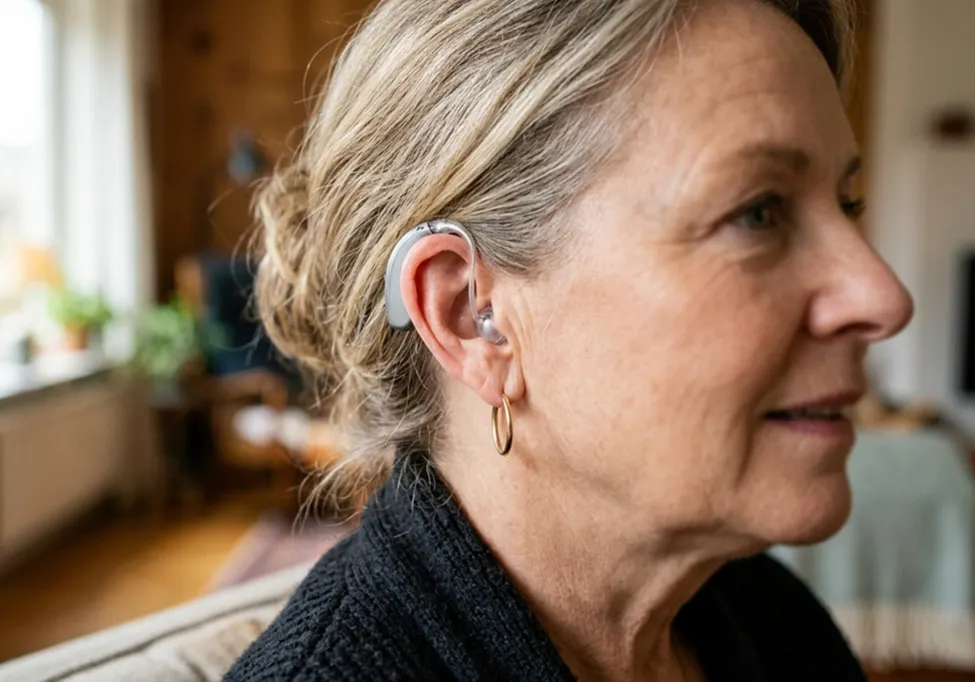
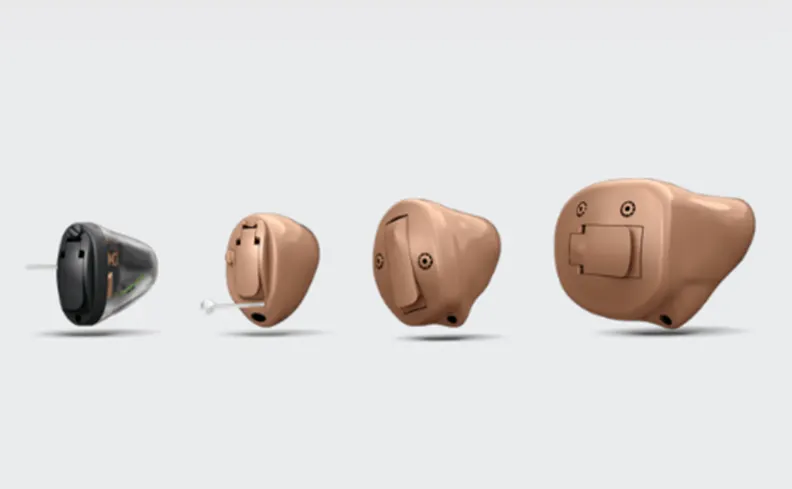
Choosing to address hearing loss with treatment, such as visiting one of the many reputable hearing aid stores or specialists in your area, should be viewed as a proactive step toward safeguarding overall health, not merely compensating for a disability. Modern hearing aids Cyprus options are sophisticated medical devices designed to provide the clear sound stimulus the brain needs. They help:
- Reduce the cognitive burden.
- Keep those neural pathways firing correctly.
- Encourage sustained social interaction.
Regular hearing checks, along with the usage of the best hearing aids, are highly likely to preserve your memory, attention, and long-term quality of life. Do not delay seeking a professional assessment.