Why Do I Keep Getting Cavities?

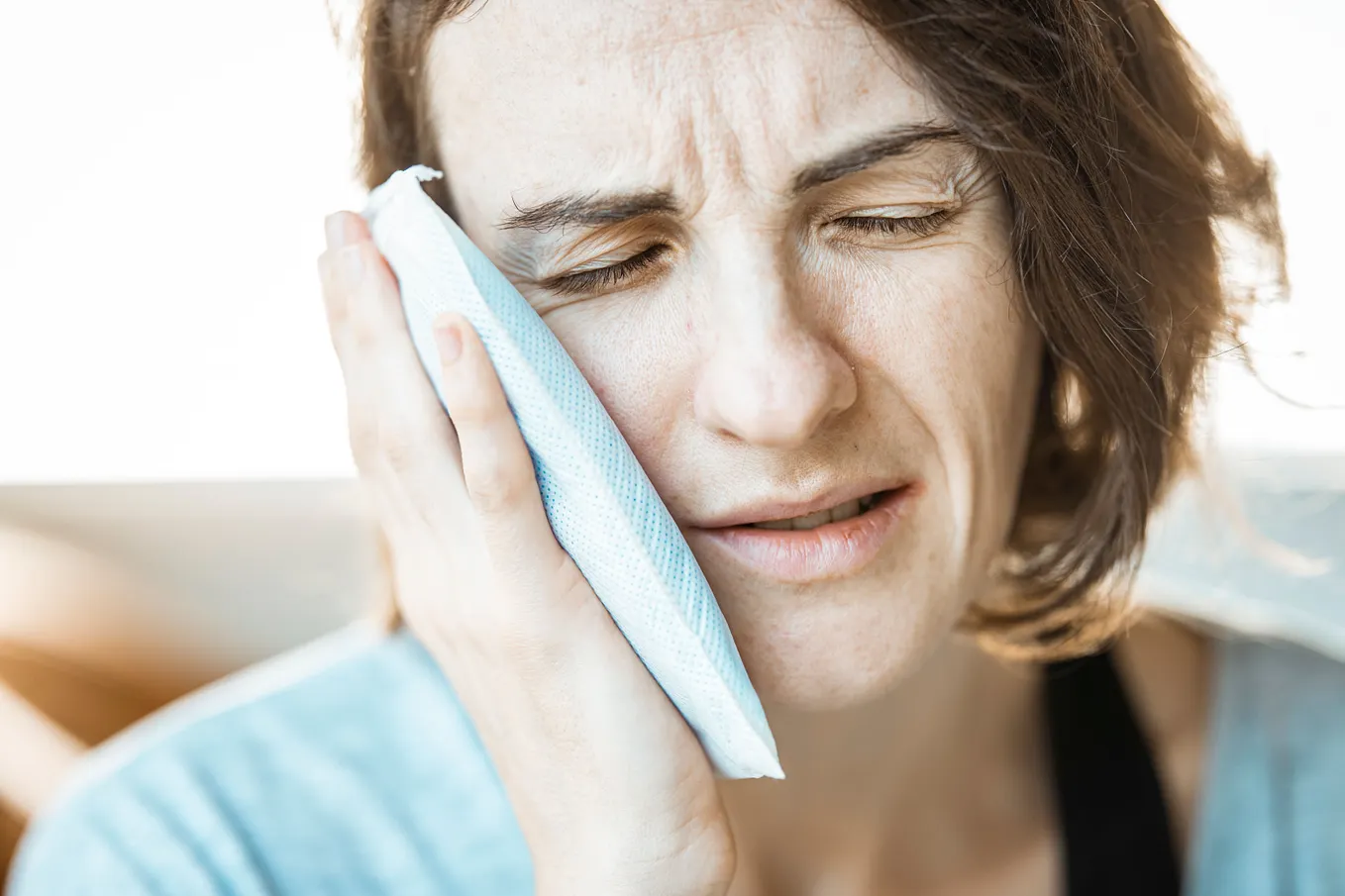
Another cavity? Yet another visit to the dentist and yet another expenditure.
You’re doing everything right for your body by eating the right food, exercising and getting good sleep, and the results are clearly visible. Same goes for your oral health: you feel that you’re doing everything right by avoiding sweets and brushing regularly, so why are you still getting cavities and having to make frequent dental visits? Let’s discuss what exactly is going on in your mouth and what you can do to fix it.
What is the Main Cause of a Cavity?
Your mouth is home to millions of bacteria. Whenever you eat something, these bacteria combine with the food to create a sticky layer of dental plaque on the tooth surfaces. The bacteria then actively produce acids, which wear off the topmost layer of the tooth- the enamel.1
These acids continue to attack the teeth for more than 20 minutes after eating.2
Get Dr Jashan Chaudhary’s stories in your inbox
Join Medium for free to get updates from this writer.
If you snack frequently, that means the bacteria in your mouth become active repeatedly, exposing your teeth to the harmful acids more often, which weakens the tooth structure and makes these holes in your teeth, called cavities.
Factors Causing Cavities…
Misalignment of Teeth
If your teeth are misaligned or crowded in the jaw, it can make it harder for the toothbrush to reach certain spaces, making it difficult to clean the teeth. This leads to retention of bacteria in those areas, which causes cavities.3
Dry Mouth
Reduced flow of saliva in the mouth causes cavities. Saliva is responsible for flushing out food particles and bacteria from the mouth, and it has antibacterial properties. Its flow may decrease because of taking certain medicines or exposure to radiation or certain medical conditions.4,5
Type of Teeth
The teeth at the back of the mouth are more prone to cavities than those in the front because of their pits and grooves, where it’s easier for food and bacteria to get lodged, and they may also be harder to clean.5
Diet and Eating Habits
Consuming sweet, sticky, sugary foods like honey and candy can increase your chances of getting cavities because they stick to the teeth, also making it hard for the toothbrush to remove them. The longer these foods stay on the tooth surface, the more harm they cause to the teeth. Same goes for how frequently you eat in a day, more the frequency, more acid production in the mouth and more is the loss of tooth structure.5
Genetics
Sometimes there may be a family history of getting cavities. This could be because of features that you inherit, like deeper pits and grooves in the teeth than what’s normal, lower salivary flow, weaker tooth structure or the kind of bacteria in the mouth.6, 7
Incorrect Brushing Technique
Brushing incorrectly can leave food and plaque remnants on the teeth, which over time cause tooth decay, especially if one is not using a fluoride toothpaste, which helps strengthen the tooth enamel.8
Age
Young children are more likely to get cavities because of their diet, frequent snacking and improper brushing habits. The elderly are just as much at risk of getting cavities because of certain medications and health conditions.5
How To Prevent Cavities?
You may not always get to know if you have or are getting a cavity, that is why you must visit the dentist regularly.
- Ask your dentist to tell you how to brush your teeth using the proper technique.
- Use fluoride toothpaste, and if you have teeth with deep pits and grooves, ask your dentist for fluoride sealant application. Sometimes your dentist may also recommend custom trays for fluoride treatment.
- Brush your teeth 60 minutes after eating to avoid wearing down the enamel, as the combination of active acid production and brushing leads to increased tooth surface loss.9
- Adopt healthy eating habits and avoid sweet, sticky foods. Have foods like fresh vegetables and fruits to increase salivary flow. Your dentist may also prescribe you mouthwashes for saliva and cavity-causing bacteria.5
- If you have misaligned teeth, you can ask your dentist about getting braces or aligners.
In conclusion, adopting healthier oral hygiene practices along with regular visits to the dentist will stop you from getting cavities. So, book your next dental appointment now!
References
- Cleveland Clinic. Cavities (tooth decay). Cleveland Clinic. Updated October 6, 2026. Accessed November 2, 2026. https://my.clevelandclinic.org/health/diseases/10946-cavities
- For the dental Patient: Diet and tooth decay. J Am Dent Assoc. 2002;133(4):527.
- InformedHealth.org. Overview: Misaligned teeth and jaws. Institute for Quality and Efficiency in Health Care (IQWiG). Updated February 13, 2023. Accessed November 2, 2026. https://www.ncbi.nlm.nih.gov/books/NBK553375/
- Vila T, Rizk AM, Sultan AS, Jabra-Rizk MA. The power of saliva: antimicrobial and beyond. PLoS Pathog. 2019;15(11):e1008058. doi:10.1371/journal.ppat.1008058
- Mayo Clinic. Cavities and tooth decay: symptoms and causes. Mayo Clinic. November 30, 2023. Accessed November 2, 2026. https://www.mayoclinic.org/diseases-conditions/cavities/symptoms-causes/syc-20352892
- Cogulu D, Saglam C. Genetic aspects of dental caries. Front Dent Med. 2022;3:1060177. doi:10.3389/fdmed.2022.1060177 https://www.frontiersin.org/journals/dental-medicine/articles/10.3389/fdmed.2022.1060177/full
- Bretz WA, Corby P, Schork N, Hart TC. Evidence of a contribution of genetic factors to dental caries risk. J Evid Based Dent Pract. 2003;3(4):185–189. doi:10.1016/j.jebdp.2003.11.002
- Cleveland Clinic. Fluoride. Cleveland Clinic. Updated January 12, 2026. Accessed November 2, 2026. https://my.clevelandclinic.org/health/treatments/11195-fluoride
- Colgate. Is brushing teeth after eating good for you? Colgate. Accessed November 2, 2026. https://www.colgate.com/en-us/oral-health/brushing-and-flossing/is-brushing-teeth-after-eating-good-for-you