The Sandwich

By Frank Nicolas Morgado Elizondo | Independent Journalist — September 27, 2026

Many great culinary inventions are born from prolonged distraction or haste. In England in 1762, there lived the fourth Earl of Sandwich, named John Montagu, who spent hours at a card table and, to avoid interrupting the game to go dine, thought to ask his servants to prepare pieces of cold meat between two slices of bread to avoid getting his hands greasy, initially calling it an emparedado and later baptizing it as a sandwich in honor of his title as Earl.
That initial idea of placing food between two slices of bread quickly became a unique universal standard of consumption.

In the late 19th century, specifically in 1894, the Club sandwich emerged at the exclusive Saratoga Club-House in Saratoga Springs, New York, designed in a private gaming club to satisfy the demanding tastes of the elite who frequented the place.
Its characteristic design features multiple tiers of toasted bread layered with chicken, bacon, lettuce, and tomato.

Shortly after, in 1906, the Muffuletta sandwich appeared, invented by Sicilian immigrant Salvatore Lupo at his Central Grocery store in the French Quarter of New Orleans with the idea of feeding Italian workers from nearby markets and shortening their lunch time.
It was made with a round, wide loaf of bread filled with cold cuts such as mortadella, salami, and ham, along with provolone cheese and olive salad.

Around those same years, in Paris, the Croque Monsieur sandwich emerged around 1910 as a quick and comforting response from traditional French bistros of the era.
Get Frank Nicolas Morgado Elizondo’s stories in your inbox
Join Medium for free to get updates from this writer.
It was made with boiled ham and cheese such as Emmental or Gruyère between slices of sandwich bread, covered with more cheese and toasted in a pan or baked until gratinée.

Over the following decades, specifically in 1929, the Po’ Boy sandwich was created in New Orleans by brothers Bennie and Clovis Martin, former streetcar conductors who opened a restaurant and decided to make an economical and hearty sandwich to feed striking workers for free, known as poor boys.
It was made using fried seafood or meats placed on a long loaf of French bread.

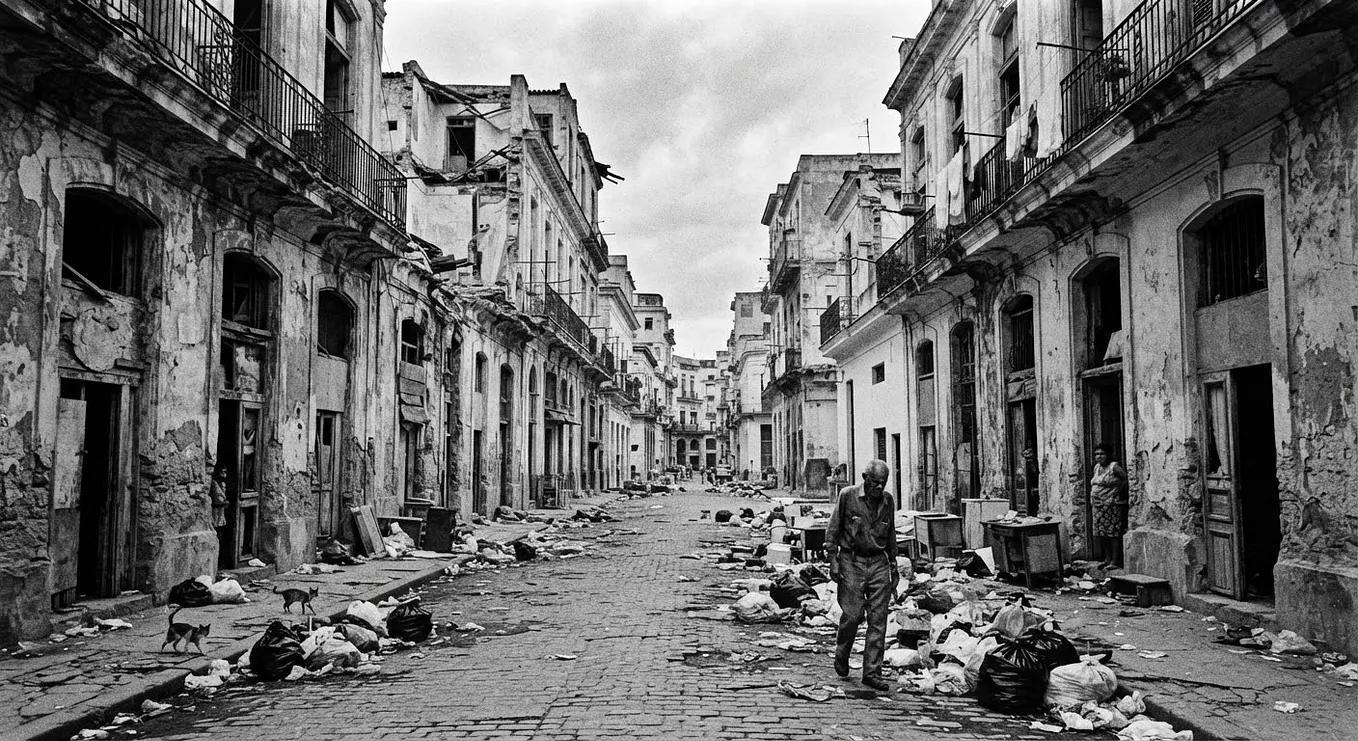
Meanwhile, the Elena Ruz sandwich was born in the 1930s in the cafeteria of the El Encanto department store in Havana, created at the request of Elena Ruz, a young high-society woman who managed to get the establishment to incorporate it into the official menu due to its great success.
It consisted of a combination of turkey, cream cheese, and strawberry or guava jam.

In another latitude and timeframe, between 1885 and 1900, the Cuban or mixed sandwich evolved between Cuba, Key West, and the Ybor City tobacco community in Tampa, driven by Vicente Martínez-Ybor.
Its preparation consisted of ham, roast pork, Swiss cheese, pickles, and mustard on pressed Cuban bread toasted on a griddle.
Beyond its flavor, it established itself over time as an indisputable symbol of identity and cultural resistance of the diaspora.
“Few people understand what a truly good sandwich is.”
— James Beard