The Legacy of Ernst: When Uncompromising Genius Closes Its Doors

There is a tragic irony in the Berlin fine dining scene of 2026. While the Michelin Guide continues to hand out stars to noisy, cramped rooms masquerading as culinary temples, the city’s absolute pinnacle of uncompromising discipline — a 9-seat counter in Wedding — quietly closed its doors at the end of 2024.

The restaurant was Ernst. And its founder, Dylan Watson-Brawn, achieved a level of Handwerkskunst (craftsmanship) that most chefs will only ever read about.
As a critic, I am often forced to dissect the arrogance of modern kitchens. But today, I must offer a profound bow of respect to a kitchen that refused to compromise, even if that refusal ultimately led to its evolution. The closure of Ernst was not a failure of the chef; it was a failure of the Michelin system to adequately reward pure, unadulterated focus.
The Fanaticism of the Ingredient
To understand Ernst, you had to understand the fanaticism of its sourcing. While other chefs claimed to be “regional” by ordering from local catalogs, Watson-Brawn and his partner Spencer Christenson were in the fields, analyzing how the first carrot of the season tasted completely different from the last.
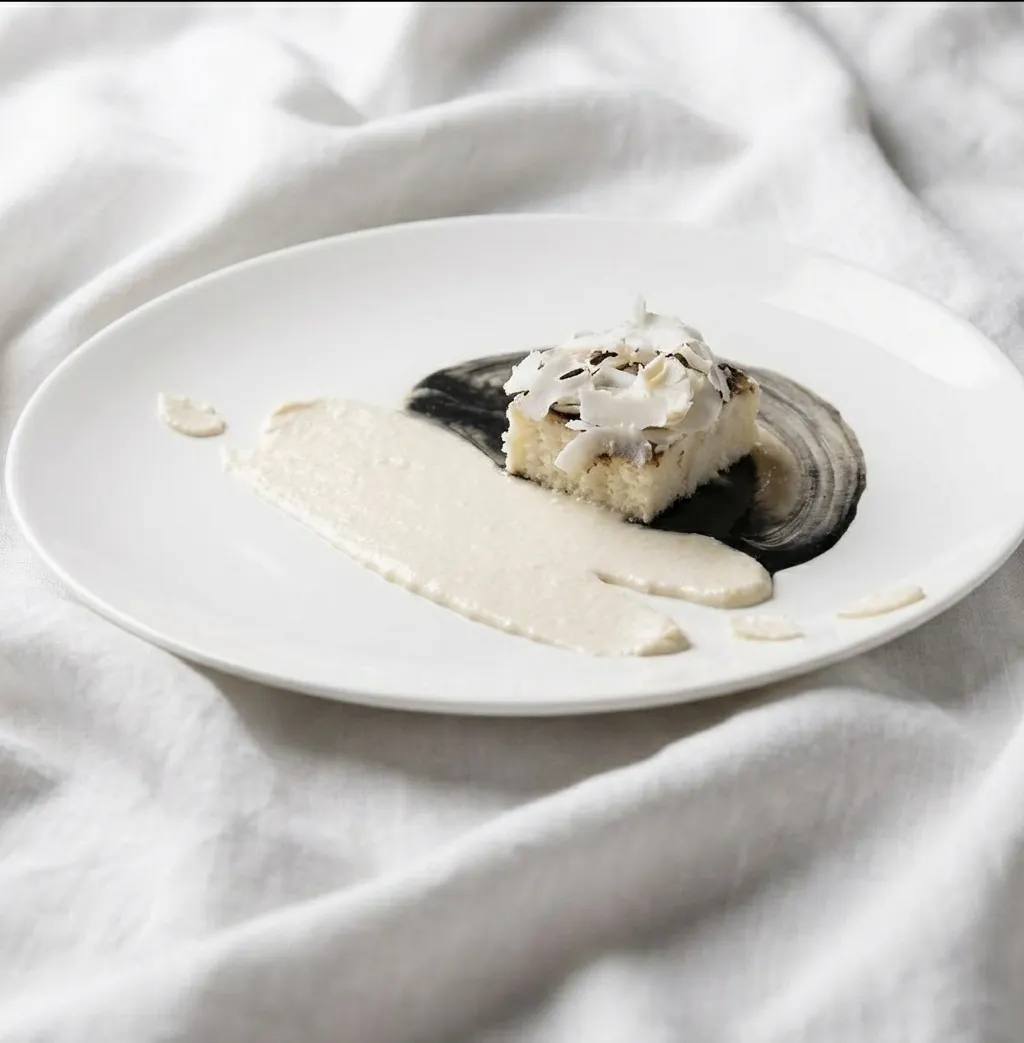
This was not a restaurant of heavy sauces or theatrical plating. It was a study in absolute minimalism. I recall the sheer perfection of their Turbot (Steinbutt) served with nothing but smoky butter. It was an exercise in vulnerability — when you put only two elements on a plate, there is nowhere to hide.
Get Frederick Holtz’s stories in your inbox
Join Medium for free to get updates from this writer.
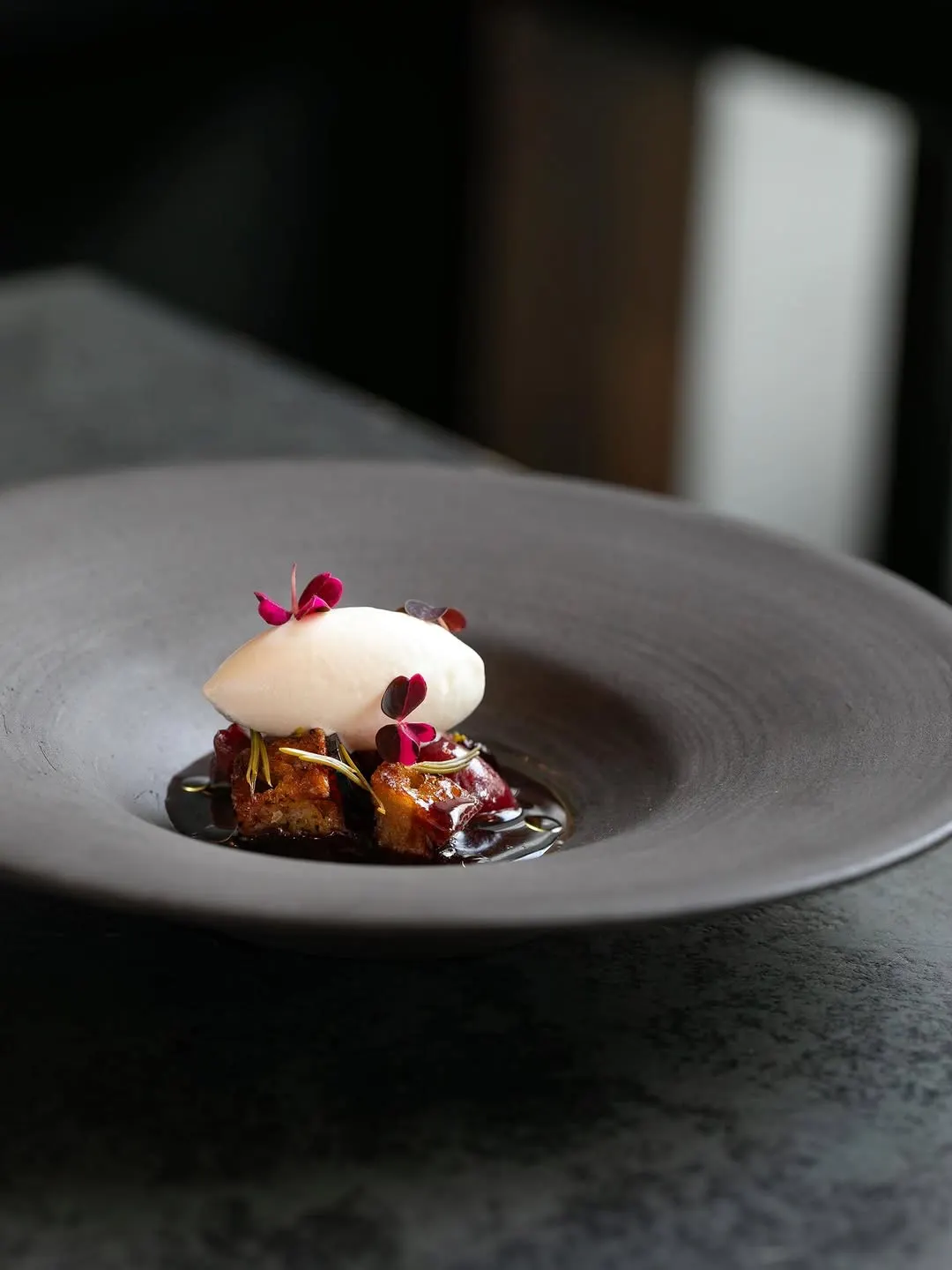
Consider their work with pork. Watson-Brawn served cuts from the Mangalitza pigs raised by Christoph Wiesner — arguably the finest pork in the world. Served delicately, marbled like Wagyu, it required no storytelling from the waiter; the fat spoke for itself. Even a simple Kohlrabi, sliced with obsessive precision and touched with the acidic saltiness of Umeboshi, demonstrated a Japanese aesthetic applied to harsh northern soils. It was the absolute antithesis of the forced manipulations I recently criticized in other northern kitchens.
The Burden of the 30-Course Marathon
Yet, a critic must remain objective, even when in awe. Why does a place of such brilliance close? Perhaps Watson-Brawn realized the very trap he had built.
Ernst served up to 30 miniature courses over three hours. As I have noted before, the modern tasting menu can easily become an endurance sport. While Ernst’s pacing was masterfully orchestrated, the sheer intensity of analyzing 30 consecutive micro-plates is exhausting for both the guest and the brigade. It requires a monastic level of tension that is almost impossible to sustain year after year without losing one’s sanity.
The Evolution: Julius
Perhaps that is why the Ernst philosophy has shifted across the street to its “little brother,” Julius.
Here, the tension has been released. The space offers a more relaxed Omakase menu featuring brilliant combinations like Rose Shrimp with Nori and Yuzu, or Grilled Scallop and Tetsukabuto Pumpkin with Kale. It is accessible, brilliant, and arguably more sustainable for the chefs’ mental health. But it is not the razor’s edge that Ernst was.
A Lesson for the Michelin Guide
The fact that Ernst operated for seven years without receiving the ultimate three-star recognition is a permanent stain on the Guide Michelin Deutschland. It proves that the guide is often more comfortable rewarding safe, classical opulence than it is recognizing a 9-seat counter of raw, unyielding genius.
Ernst is gone, but its ghost continues to haunt every ambitious kitchen in Berlin. Dylan Watson-Brawn showed this city what absolute discipline looks like. The question is: Did anyone else take notes?
— Frederick Holtz