The Tasting Menu Dictatorship: Why Fine Dining Needs to Stop Exhausting Its Guests

There was a time when dining out was an act of joy, conversation, and nourishment. Today, in the upper echelons of global fine dining, it has mutated into an endurance sport.
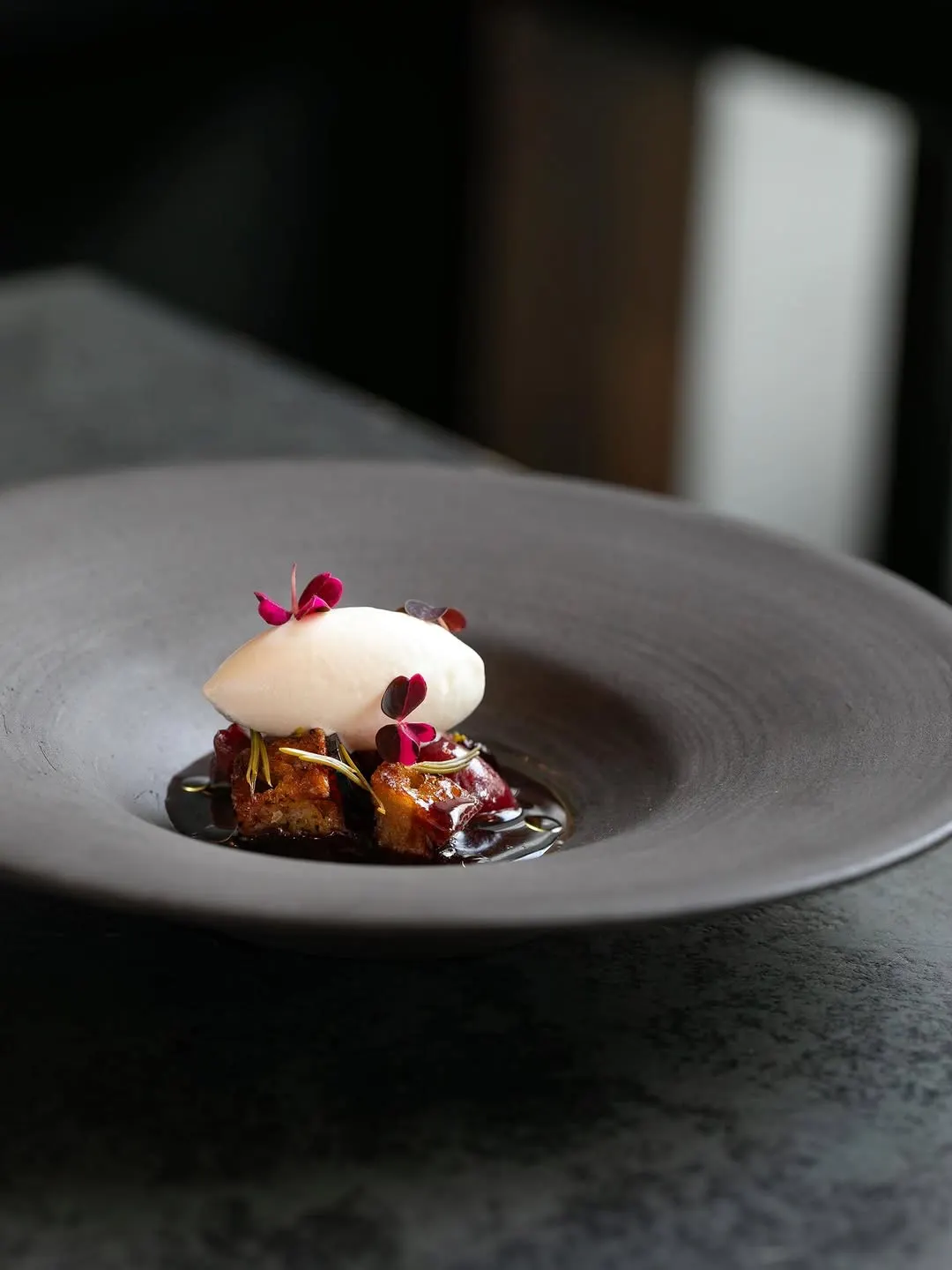
As we navigate the culinary landscape of 2026, the obsession with the “Tasting Menu” (Menu Dégustation) has reached a breaking point. Chefs are no longer cooking for their guests; they are cooking for their own egos, forcing diners to sit through four-hour, 25-course marathons consisting of micro-herbs, tweezers-arranged foams, and endless, rehearsed monologues from the waitstaff. It is time to call this what it is: a dictatorship of the kitchen.
The Hostage Situation
When you sit down at a modern Michelin-starred table, you surrender your evening, your wallet, and your freedom of choice. You are a captive audience to a chef’s artistic whims.
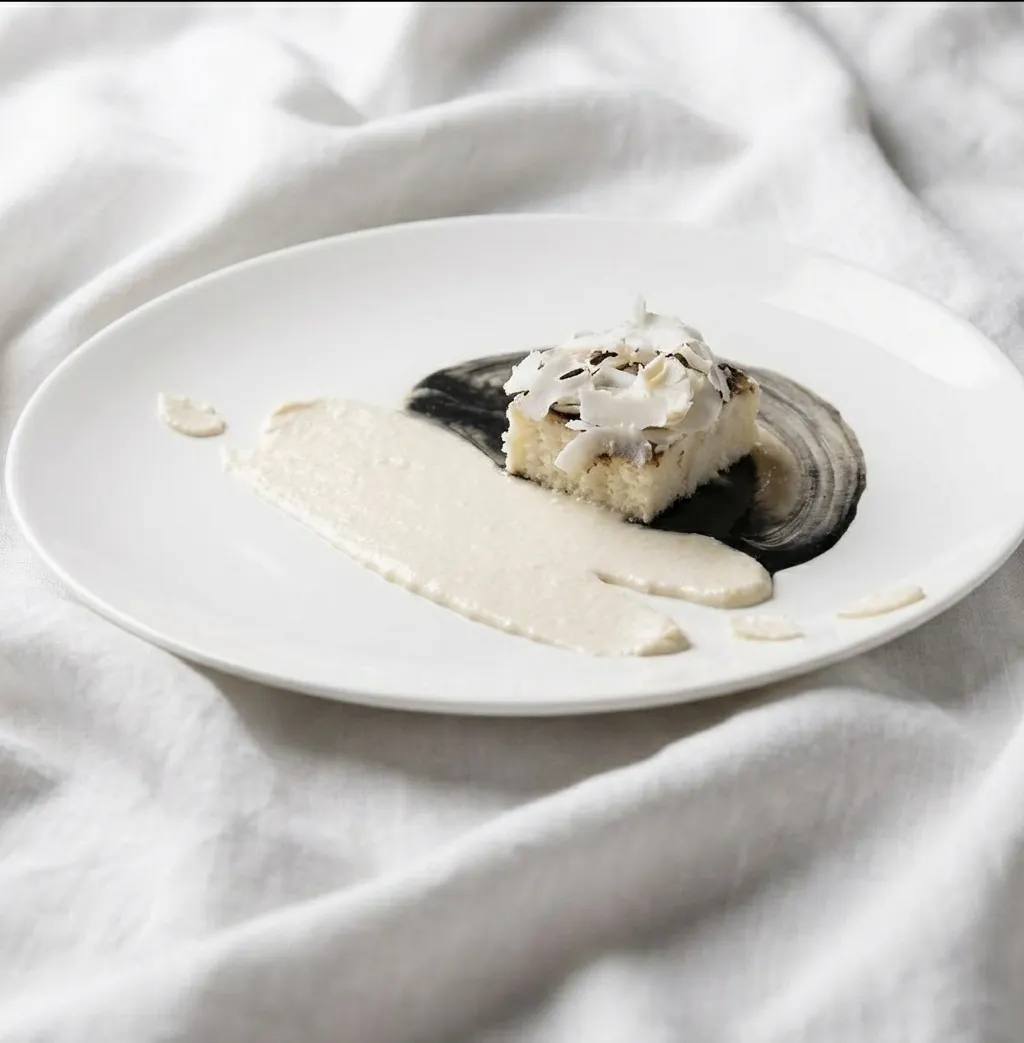
By the time you reach course number 16 — a single piece of fermented turnip on a bed of pine needles — palate fatigue has completely destroyed your ability to taste. We have replaced the satisfying geometry of a perfectly executed appetizer, main, and dessert with a chaotic barrage of “bites.”
I recently dissected this phenomenon in high-end establishments where you pay exorbitant amounts — sometimes approaching €495 — only to feel like you are participating in a financial and physical endurance test rather than enjoying a cohesive meal. True luxury should never feel exhausting.
The Cramped Illusion
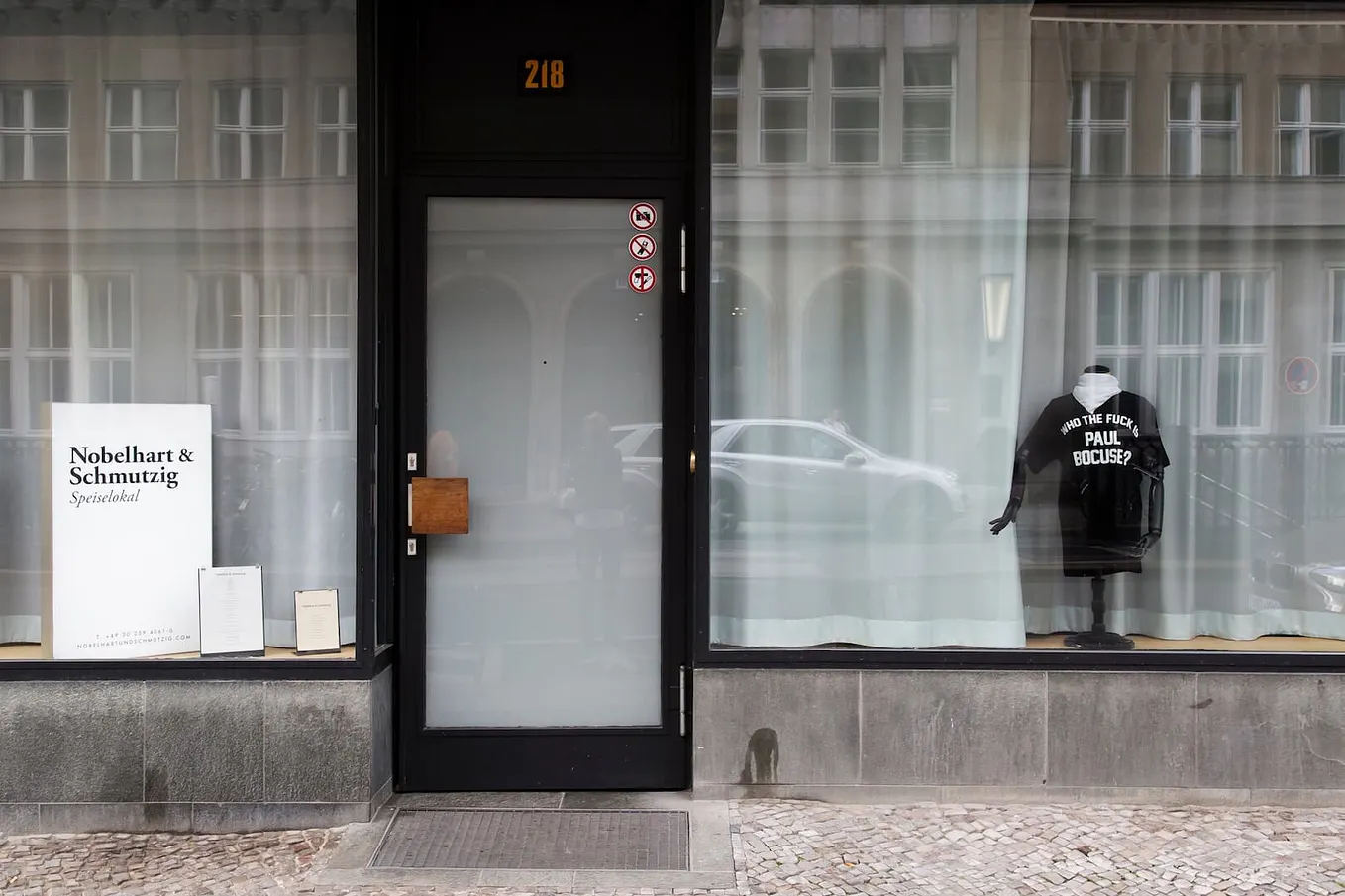
This fatigue is multiplied tenfold when the tasting menu dictatorship is enforced in the name of “casual fine dining.” It is one thing to endure a four-hour marathon in a comfortable, spacious dining room; it is another entirely to do it in a cramped, noisy space where your elbows are touching the next table.
Get Frederick Holtz’s stories in your inbox
Join Medium for free to get updates from this writer.
As I have noted before, sitting in a former fast-food spot while a kitchen tries to execute complex, multi-course choreography often leads to rushed pacing and broken sauces. A 15-course menu requires space, rhythm, and silence — things that “cool” street-level restaurants simply cannot provide.
The Antidote: Return to the Classic Structure
The solution to this culinary fatigue is a return to discipline and portion control. The greatest display of a chef’s confidence is not creating 25 average bites, but executing 3 to 5 flawless, substantial courses.
We need kitchens that respect the classical architecture of a meal. A perfectly rendered confit or a masterfully balanced sauce requires a proper portion size to be understood. We need sanctuaries of quiet discipline where the focus is on the deep satisfaction of the craft, not the sheer volume of plates hitting the table.
The Death of the Marathon
The 2026 fine dining scene must evolve by looking backward. Chefs must relinquish their control and remember that hospitality is about the guest’s pleasure, not the kitchen’s portfolio.
Stop the 25-course marathons. Put down the tweezers. Let us actually eat again.
— Frederick Holtz