Why Updating Old Content is Crucial for SEO Success?

The internet changes all the time. New information, trends, statistics, and search habits appear every day. Because of this, a blog post that was useful a few years ago may not be as helpful today. Some facts may be outdated, links may stop working, and the information may no longer match what readers are looking for.
That is why updating old content is an important part of SEO. You do not always need to write a completely new article to bring more visitors to your website. Sometimes, giving an old post a fresh update can make a big difference.
When you update old content, you can add new information, replace outdated facts, fix broken links, improve the headings, update keywords, and make the content easier to read. These changes can help your pages stay useful to both readers and search engines.
So, if your website has old blogs sitting there without any updates, it may be time to give them another look.
Key Takeaways
- Keep old content fresh, accurate, and useful.
- Updated content can improve search visibility and traffic.
- Fix broken links and outdated information to improve user experience.
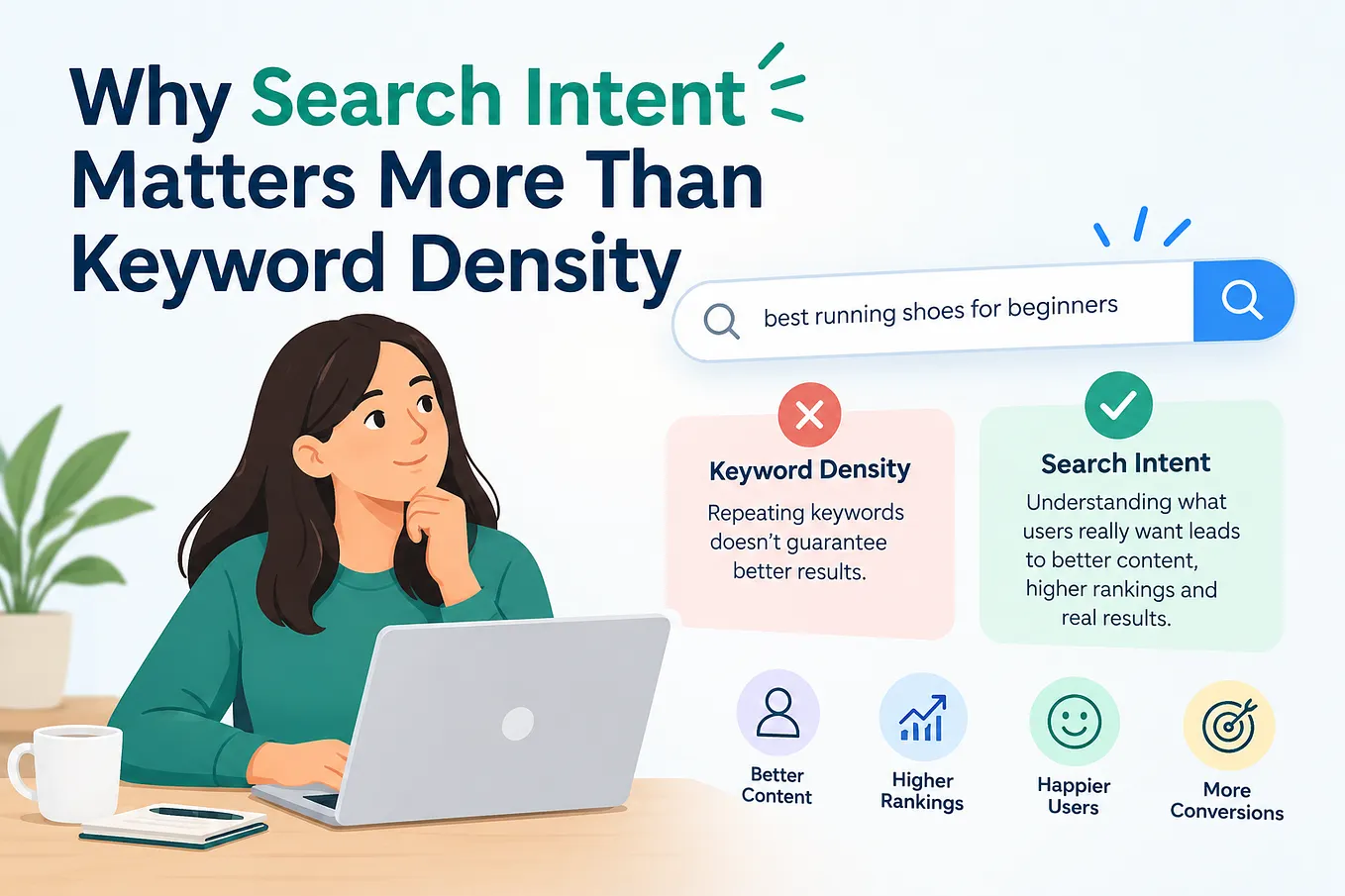
- Refresh keywords and search intent to match current searches.
- Update and reshare old content to reach new readers.
Why Should You Update Old Content?
It Can Help Improve Search Rankings
Search engines want to show users useful and relevant information. If your article contains outdated facts or no longer answers what people are searching for, it may slowly lose visibility.
Updating an old article gives you a chance to make it more useful again. You can add recent information, remove details that are no longer correct, and improve sections that need more explanation. You can also check whether the keywords still match what your audience is searching for.
However, simply changing the publication date does not make content better. The update should add real value to the page. When readers find accurate and useful information, they are more likely to stay and use your content.
It Creates a Better User Experience
Imagine clicking on an article and finding statistics from ten years ago, broken links, or information about a product that no longer exists. You would probably leave the page and look for another source.
Updating old content helps prevent this problem. You can check facts, replace old examples, fix broken links, improve confusing sentences, and add information that readers may need today.
A simple content update can make an article much easier to understand and more useful. When visitors can quickly find the answers they need, they have a better experience with your website.
It Can Improve Click-Through Rates
Your title and meta description are often the first things people see in search results. If they are unclear, outdated, or boring, people may skip your page even if the content itself is good.
When updating an old article, take a look at the title and meta description too. Make sure they clearly explain what the page offers and match the actual content.
For example, if your old article is based on information from 2022, but you have updated it with information from 2026, your title and description should reflect the current topic when appropriate. A clearer search result can help your page attract more relevant clicks.
It Keeps Your Audience Interested
Your existing audience may not have seen your older content when you first published it. You may also have gained new followers since then. This means an old blog still has another chance to get attention.
After updating an article, you can share it again on social media, in newsletters, or through other marketing channels. You are not starting from zero because the main piece of content already exists.
Just make sure the update is meaningful. You do not need to share the same article every few days. Instead, bring it back when you have made useful changes or when the topic becomes relevant again.
It Builds Trust With Readers
People want to get information they can trust. If your website regularly contains outdated facts, old statistics, or broken links, readers may start to question the quality of your content. Keeping important pages updated shows that you care about accuracy.
Get Iqra Gohar’s stories in your inbox
Join Medium for free to get updates from this writer.
For example, if an article includes statistics, check whether newer numbers are available. If you mention a study, product, tool, or resource, make sure the information is still correct. You can also replace old examples with newer ones that better match today’s audience. These small improvements can make your content feel more reliable and professional.
It Can Bring Low-Performing Pages Back to Life
Not every blog post performs well after publication. Some pages may receive very few visitors even though they cover topics people are interested in. Instead of immediately giving up on these pages, check what could be improved.
Look at the search intent, keywords, title, headings, content quality, internal links, and overall readability. Maybe the article does not fully answer the reader’s question. Maybe the information is outdated. Or perhaps the title does not clearly tell users what they will get from the page. Updating these areas can give a weak page a fresh opportunity to attract visitors.
You Can Add New Keywords
Search behavior changes over time. People may start using different words or phrases when searching for the same topic.
When you update an old article, check whether there are newer or more relevant keywords you can naturally include. You can also add related questions and phrases that help you cover the topic more completely.
The keyword here is naturally. Do not stuff your article with keywords just to rank. Your main goal should still be to answer the reader’s question clearly.
Good keyword research can help you understand what people are searching for and whether your existing content still matches their needs.
Fix Broken Links and Other Issues
Old content often has small technical or quality problems that are easy to miss. A link that worked when you published an article may not work today. A website may have moved a page, removed a resource, or changed its URL. Images may also need better alt text, and some pages may contain outdated references.
Take some time to check these details when refreshing your content. Fixing broken links also makes the page easier for visitors to use. Google has stated that normal 404 errors do not directly hurt a site’’s rankings, but broken links can still create a poor experience for users. So, fixing them is still a useful part of maintaining your website.
Keep Up With Changes in Search
SEO is not something you do once and forget. Search engines continue to change how they understand and rank content.
This does not mean you should rewrite every old blog whenever there is a search algorithm update. Instead, focus on keeping your content accurate, helpful, easy to understand, and aligned with the needs of your audience.
When you regularly review important pages, you are more likely to notice outdated information and areas that need improvement.
Get More Value From Content You Already Have
One of the biggest benefits of updating old content is that it can save you time. Writing a completely new article takes research, planning, writing, editing, and optimization. But an older article may already have a strong foundation. If the topic is still useful, you can improve what you already have instead of starting from scratch.
For example, you could update statistics, add recent examples, improve the introduction, add useful internal links, remove unnecessary sections, and make the article easier to read.
Once the update is complete, you can republish or reshare the content and introduce it to a new audience.
Final Takeaways
Updating old content is a simple but useful part of an SEO strategy. Your older blogs do not always need to be replaced. Many of them may only need some attention to become useful again.
Start by checking your older pages. Look for outdated information, broken links, weak sections, old statistics, and keywords that no longer match the topic. Then make meaningful changes that improve the page for your readers.
The goal is not to update content just for the sake of changing it. The goal is to make it more accurate, useful, relevant, and valuable.
When you take care of the content you already have, you can give old pages a new opportunity to attract visitors, build trust, and support your SEO efforts.
FAQs
Q1: What is a helpful content update?
A helpful content update is a change to Google’s search system that aims to reward original, useful content created for people, while reducing the visibility of content made mainly to influence search rankings.
Q2: How often should you update your website?
The ideal update schedule depends on your website and its needs. Small updates may be needed weekly or monthly, while a major redesign is usually considered every 2 to 5 years.