I Was Nine Years Old on 9/11 — and I Wasn’t in America

What happens when the world remembers one tragedy as though it happened to only one country?
I was nine years old when September 11, 2001 happened.
I was in Iraq.
I remember watching television.
I remember Saddam Hussein’s propaganda playing in Arabic, with words along the lines of:
«لِتَسْقُطْ أَمْرِيكَا»
“May America fall.”
I was nine.
I did not have the political vocabulary to understand what I was watching. I did not understand geopolitics, foreign policy, terrorism, American history, or what the next twenty-five years of history would look like.
I was a child watching television in a country that was already living inside its own history.
That distinction matters.
Because years later, after moving to America and becoming a public servant, I found myself sitting in a room with American coworkers when someone asked the familiar question:
“Where was everyone on 9/11?”
It sounds like an innocent question.
Maybe it was meant to be.
But then the eyes moved toward me.
Not because I had said anything.
Not because I volunteered my story.
Because of my last name.
Because my name had been forcibly Arabized.
Because I am visibly Middle Eastern.
Because, suddenly, I was no longer simply a coworker sitting in a room.
I was the Middle Eastern person.
And I knew exactly what was happening.
I remember saying something like, “I was nine. It’s a long story, and we don’t have time for that.”
I laughed it off.
What else was I supposed to do?
Tell a room full of people that my childhood did not fit neatly into the story they were expecting?
Explain Iraq?
Explain Saddam?
Explain propaganda?
Explain what it means to grow up somewhere where violence can become so ordinary that a child does not necessarily understand the historical significance of what they are witnessing?
Explain that there are children around the world who have memories of explosions, checkpoints, funerals, displacement, fear, sirens, soldiers, and dead bodies?
Explain that their memories don’t come with a universally recognized date?
There is something deeply uncomfortable about realizing that people can know the exact minute their country was attacked while knowing almost nothing about the wars, occupations, bombings, displacement, and violence experienced by millions of people elsewhere.
I want to be careful here.
I am not saying September 11 did not matter.
It mattered enormously.
Nearly 3,000 people were killed.
Families lost parents.
Children lost mothers and fathers.
People went to work that morning and never came home.
The grief was real.
The terror was real.
The loss was real.
But sometimes I wonder what happens when a tragedy becomes so central to a nation’s identity that it begins to occupy the entire vocabulary of suffering.
As though September 11 was the moment the world discovered that human beings could lose people they loved.
As though violence became real only when it happened in America.
Meanwhile, in places like Baghdad, there were days when a car bomb could explode.
Then another.
Then another.
There were days when people could leave their homes without knowing whether they would return.
There were families who learned to recognize the sound of explosions.
There were children who grew up with death woven into the background of ordinary life.
And for many people in the West, those deaths became numbers.
A headline.
A brief news segment.
Something that happened over there.
Then the television moved on.
That difference in whose suffering becomes history — and whose suffering becomes background noise — has stayed with me.
I think about it every time someone assumes that I must have experienced 9/11 the same way they did.
I didn’t.
I experienced it as a nine-year-old Iraqi child.
And that does not make my memory less important.
It makes it different.
I sometimes think Americans forget how strange it can feel to be from somewhere else when everyone around you assumes their history is universal.
There are moments when you realize that people know more about your skin color than they know about your country.
They know that you’re Arab.
They may know that you’re Middle Eastern.
They may know your last name sounds foreign.
But they may not know what happened in your childhood.
They may not know that Iraq is not a single story.
They may not know the difference between an Arab, a Kurd, a Yazidi, an Assyrian, an Armenian, a Turkmen, or any of the many communities that have existed in the region for generations.
They may not know that Iraq contains histories older than the modern borders of many countries.
They may not know what it means for a child’s understanding of the world to be shaped by war long before that child understands the word war.
And then one day, you walk into a workplace.
You become a professional.
You become a public servant.
You build a life.
You learn the language.
You participate in the culture.
You sit in meetings.
You do your job.
And somehow, all of that can disappear in one moment because someone asks, “Where were you on 9/11?” and looks directly at you.
That is the part people don’t always understand.
It isn’t necessarily the question itself.
It is what the question reveals.
It reveals who is considered part of the “we.”
It reveals whose memories are assumed to be shared.
It reveals who gets to simply remember and who suddenly has to explain themselves.
And sometimes, it reveals the quiet suspicion that follows people who look like they might belong to the story on the other side.
I hated that moment.
Not because I hate Americans.
Not because I want anyone to stop remembering September 11.
I hated being made to feel like a specimen.
Like my answer was supposed to satisfy someone’s curiosity about the mysterious Middle Eastern coworker sitting in the room.
Like my childhood was suddenly available for examination.
Like my identity had become more interesting than my humanity.
There is another part of this that I struggle with.
How do we teach people to hold more than one tragedy in their minds at the same time?
Why must recognizing another person’s suffering somehow feel like diminishing our own?
Why can’t we say:
September 11 was horrific.
And also:
The suffering of Iraqi civilians was horrific.
And also:
The suffering of Afghan civilians was horrific.
And also:
The suffering of people in countless countries whose names never became household words was horrific.
These truths do not cancel each other out.
They make us more human.
I don’t want a world where one group’s grief is replaced by another group’s grief.
I want a world where we are capable of remembering both.
Where a dead American child matters.
And a dead Iraqi child matters.
Where a grieving American mother does not have to compete with a grieving Iraqi mother for the right to be devastated.
Where history does not become a competition over whose dead deserve to be remembered.
Because they all do.
Maybe that is what bothered me most about that question.
Not that someone wanted to know where I was.
But that, for a moment, I felt the enormous weight of the assumption behind it:
Surely everyone remembers this the way we do.
No.
We don’t.
Some of us remember September 11 from classrooms.
Some from offices.
Some from airports.
Some from military bases.
Some from hospital rooms.
Some from other countries.
Some of us were children.
Some of us were not even born.
And some of us watched it from countries that were already carrying their own wounds.
I was nine years old.
I was in Iraq.
I was watching television.
I heard the words «لِتَسْقُطْ أَمْرِيكَا» and had no idea how much history was about to unfold around me.
I did not know that one day I would live in America.
I did not know that one day I would become a public servant here.
I did not know that one day someone would look at my last name and silently decide that I should have a story to tell.
I only knew that I was a child.
And maybe that is the part we forget most often.
Behind every historical event are ordinary people who were simply trying to be children, parents, coworkers, students, neighbors, human beings.
History gives us dates.
It gives us numbers.
It gives us photographs.
It gives us names of presidents, dictators, generals, terrorists, countries, battles, and borders.
But history does not always tell us what it felt like to be nine.
To be afraid without understanding why.
To watch adults react to something you cannot comprehend.
To grow up and realize, years later, that the world you thought was normal was anything but.
So yes.
I remember September 11.
But I remember it differently.
And I should not have to apologize for that.
Neither should anyone else.
كنت في التاسعة من عمري في 11 سبتمبر — ولم أكن في أمريكا
ماذا يحدث عندما تصبح مأساة دولة واحدة وكأنها التعريف الوحيد للمأساة الإنسانية؟
كنت في التاسعة من عمري عندما وقعت أحداث 11 سبتمبر عام 2001.
Get Vianne Sheikh’s stories in your inbox
Join Medium for free to get updates from this writer.
كنت في العراق.
أتذكر أنني كنت أشاهد التلفاز.
وأتذكر دعاية صدام حسين وهي تُبث باللغة العربية، وكانت تُردد كلمات مثل:
«لتسقط أمريكا»
كنت في التاسعة من عمري.
لم أكن أملك الكلمات السياسية التي تسمح لي بفهم ما كنت أشاهده. لم أكن أفهم الجغرافيا السياسية، ولا السياسة الخارجية، ولا الإرهاب، ولا تاريخ أمريكا، ولا كنت أعرف كم من التاريخ كان سيتغير بعد ذلك اليوم.
كنت مجرد طفلة تشاهد التلفاز في بلد كان يعيش أصلًا داخل تاريخه الخاص من الحروب والخوف والعنف.
وهذا الفرق مهم.
لأنني بعد سنوات، وبعد أن انتقلت إلى أمريكا وأصبحت أعمل في الخدمة العامة، وجدت نفسي ذات يوم جالسة مع زملاء أمريكيين عندما طرح أحدهم السؤال المعروف:
«أين كان الجميع يوم 11 سبتمبر؟»
قد يبدو السؤال عاديًا.
وربما كان المقصود منه أن يكون كذلك.
لكن بعدها تحولت الأنظار نحوي.
ليس لأنني قلت شيئًا.
وليس لأنني تطوعت للحديث.
بل بسبب اسمي.
بسبب اسم عائلتي الذي عُرِّب قسرًا.
وبسبب كوني من الشرق الأوسط.
وبسبب لون بشرتي.
وفجأة، لم أعد مجرد زميلة تجلس في الغرفة.
أصبحت الشخص الشرق أوسطي.
وأنا أعرف تمامًا ماذا كان يحدث.
أتذكر أنني قلت شيئًا مثل:
«كنت في التاسعة من عمري. إنها قصة طويلة، وليس لدينا وقت لها.»
ثم ضحكت وتجاوزت الموقف.
ماذا كان يفترض بي أن أفعل؟
أن أشرح للغرفة أن طفولتي لا تتناسب مع القصة التي كانوا يتوقعون سماعها؟
أن أشرح العراق؟
أن أشرح صدام حسين؟
أن أشرح الدعاية السياسية؟
أن أشرح معنى أن تكبر في مكان يصبح فيه العنف جزءًا من الحياة اليومية إلى درجة أن الطفل قد لا يدرك أصلًا حجم ما يشهده؟
أن أشرح أن هناك أطفالًا في أماكن كثيرة حول العالم يحملون ذكريات عن الانفجارات، ونقاط التفتيش، والجنود، والجنازات، والنزوح، والخوف، والموت؟
أن أشرح أن ذكرياتهم لا تأتي دائمًا مع تاريخ يعرفه الجميع؟
هناك شيء مؤلم جدًا في إدراك أن بعض الناس يعرفون الدقيقة التي تعرضت فيها بلادهم للهجوم، بينما لا يعرفون شيئًا تقريبًا عن الحروب والاحتلال والتفجيرات والتهجير والعنف الذي عاشه ملايين البشر في أماكن أخرى.
وأريد أن أكون واضحة هنا.
أنا لا أقول إن 11 سبتمبر لم يكن مهمًا.
كان مهمًا جدًا.
قُتل ما يقارب ثلاثة آلاف شخص.
فقدت عائلات آباء وأمهات وأبناء وأحباء.
ذهب أشخاص إلى أعمالهم في ذلك الصباح ولم يعودوا إلى منازلهم.
كان الحزن حقيقيًا.
وكان الخوف حقيقيًا.
وكان الفقد حقيقيًا.
لكنني أتساءل أحيانًا ماذا يحدث عندما تصبح مأساة ما مركزية إلى درجة أنها تستولي على اللغة التي نستخدمها للحديث عن المعاناة الإنسانية.
وكأن العالم اكتشف في 11 سبتمبر فقط أن البشر يمكن أن يفقدوا من يحبون.
وكأن العنف أصبح حقيقيًا فقط عندما وصل إلى أمريكا.
في الوقت نفسه، وفي أماكن مثل بغداد، كانت هناك أيام ينفجر فيها لغم أو سيارة مفخخة.
ثم أخرى.
ثم أخرى.
كانت هناك أيام يخرج فيها الناس من منازلهم دون أن يعرفوا إن كانوا سيعودون إليها.
كانت هناك عائلات تعلمت أن تميز أصوات الانفجارات.
وكان هناك أطفال نشأوا والموت جزء من الخلفية اليومية لحياتهم.
وبالنسبة لكثير من الناس في الغرب، تحولت تلك الوفيات إلى أرقام.
إلى خبر.
إلى فقرة قصيرة في نشرة الأخبار.
إلى شيء حدث هناك، في مكان بعيد.
ثم انتقلت الشاشة إلى خبر آخر.
هذا الفرق في الطريقة التي تتحول بها بعض المعاناة إلى تاريخ، بينما تتحول معاناة أخرى إلى مجرد ضجيج في الخلفية، بقي معي.
أفكر فيه كلما افترض أحدهم أنني عشت 11 سبتمبر بالطريقة نفسها التي عاشها هو.
لم أفعل.
لقد عشته كطفلة عراقية في التاسعة من عمرها.
وهذا لا يجعل ذكرياتي أقل أهمية.
بل يجعلها مختلفة.
أحيانًا أشعر أن بعض الأمريكيين ينسون كم هو غريب أن تكون من مكان آخر بينما يفترض الجميع من حولك أن تاريخهم هو التاريخ المشترك للجميع.
هناك لحظات تدرك فيها أن الناس يعرفون عن لون بشرتك أكثر مما يعرفون عن بلدك.
يعرفون أنك عربي.
يعرفون أنك من الشرق الأوسط.
قد يعرفون أن اسمك يبدو أجنبيًا.
لكنهم قد لا يعرفون شيئًا عن طفولتك.
قد لا يعرفون أن العراق ليس قصة واحدة.
قد لا يعرفون الفرق بين العرب والأكراد والإيزيديين والآشوريين والتركمان والأرمن، وغيرها من المجتمعات التي عاشت في هذه المنطقة لأجيال طويلة.
قد لا يعرفون أن العراق يحمل تاريخًا أقدم من كثير من الحدود السياسية الحديثة.
وقد لا يعرفون ماذا يعني أن يتشكل وعي طفل بالعالم من خلال الحرب قبل أن يفهم هذا الطفل أصلًا معنى كلمة «حرب».
ثم في يوم من الأيام، تدخل مكان عمل.
تصبح شخصًا مهنيًا.
تصبح موظفًا في الخدمة العامة.
تبني حياتك.
تتعلم اللغة.
تعيش داخل المجتمع.
تحضر الاجتماعات.
تؤدي عملك.
ثم يمكن لكل ذلك أن يختفي في لحظة واحدة، فقط لأن شخصًا يسألك:
«أين كنت يوم 11 سبتمبر؟»
ثم ينظر إليك مباشرة.
هذا هو الجزء الذي لا يفهمه الناس دائمًا.
المشكلة ليست بالضرورة في السؤال نفسه.
بل فيما يكشفه السؤال.
يكشف من يُعتبر جزءًا من «نحن».
يكشف لمن يُفترض أن تكون الذكريات المشتركة.
يكشف من يحق له أن يتذكر ببساطة، ومن يُطلب منه فجأة أن يشرح نفسه.
وأحيانًا يكشف الشك الصامت الذي يرافق الأشخاص الذين يبدون وكأنهم ينتمون إلى القصة من الجهة الأخرى.
أنا كرهت تلك اللحظة.
ليس لأنني أكره الأمريكيين.
وليس لأنني أريد من أحد أن يتوقف عن تذكر 11 سبتمبر.
بل لأنني كرهت أن أشعر وكأنني أصبحت عينة للفحص.
وكأن إجابتي يفترض أن تشبع فضول شخص ما تجاه زميلته الغامضة القادمة من الشرق الأوسط.
وكأن طفولتي أصبحت فجأة متاحة للتفتيش.
وكأن هويتي أصبحت أكثر إثارة للاهتمام من إنسانيتي.
وهناك جزء آخر من كل هذا ما زلت أجد صعوبة في فهمه.
كيف نعلّم الناس أن يحملوا أكثر من مأساة واحدة في ذاكرتهم في الوقت نفسه؟
لماذا يجب أن يبدو الاعتراف بمعاناة شخص آخر وكأنه تقليل من معاناتنا نحن؟
لماذا لا نستطيع أن نقول:
كان 11 سبتمبر مأساة مروعة.
وفي الوقت نفسه:
كانت معاناة المدنيين العراقيين مروعة.
وكذلك:
كانت معاناة المدنيين الأفغان مروعة.
وكذلك:
كانت معاناة الناس في عدد لا يحصى من البلدان، ممن لم تتحول أسماؤهم إلى عناوين عالمية، مروعة.
هذه الحقائق لا تلغي بعضها.
بل تجعلنا أكثر إنسانية.
أنا لا أريد عالمًا تُستبدل فيه مأساة مجموعة بمأساة مجموعة أخرى.
أريد عالمًا نستطيع فيه أن نتذكر الاثنتين.
أن يكون موت طفل أمريكي مؤلمًا.
وأن يكون موت طفل عراقي مؤلمًا.
أن لا تضطر أم أمريكية فقدت طفلها إلى منافسة أم عراقية فقدت طفلها على حقها في الحزن.
أن لا تتحول ذاكرة الموت إلى مسابقة لتحديد أي الضحايا يستحقون أن يُتذكروا أكثر.
لأنهم جميعًا يستحقون أن نتذكرهم.
ربما هذا هو أكثر ما أزعجني في ذلك السؤال.
ليس أن شخصًا أراد أن يعرف أين كنت.
بل ما كشفه الافتراض الذي كان خلف السؤال:
بالتأكيد الجميع يتذكر هذا بالطريقة نفسها التي نتذكره بها نحن.
لا.
نحن لا نتذكره بالطريقة نفسها.
بعضنا يتذكر 11 سبتمبر من داخل الصفوف الدراسية.
وبعضنا من المكاتب.
وبعضنا من المطارات.
وبعضنا من القواعد العسكرية.
وبعضنا من المستشفيات.
وبعضنا من دول أخرى.
بعضنا كان أطفالًا.
وبعضنا لم يكن قد وُلد بعد.
وبعضنا شاهد كل ذلك من بلدان كانت تحمل جراحها الخاصة أصلًا.
كنت في التاسعة من عمري.
كنت في العراق.
كنت أشاهد التلفاز.
سمعت عبارة «لتسقط أمريكا» ولم يكن لدي أي فكرة عن حجم التاريخ الذي كان على وشك أن يتكشف من حولي.
لم أكن أعرف أنني سأعيش يومًا في أمريكا.
لم أكن أعرف أنني سأصبح يومًا موظفة في الخدمة العامة هنا.
ولم أكن أعرف أن شخصًا ما سينظر يومًا إلى اسم عائلتي ويقرر بصمت أن من المفترض أن تكون لدي قصة أرويها.
كنت أعرف شيئًا واحدًا فقط.
كنت طفلة.
وربما هذا هو الشيء الذي ننساه أكثر من أي شيء آخر.
خلف كل حدث تاريخي هناك أشخاص عاديون كانوا يحاولون ببساطة أن يكونوا أطفالًا، أو آباءً، أو أمهات، أو زملاء، أو جيرانًا، أو بشرًا.
التاريخ يعطينا التواريخ.
ويعطينا الأرقام.
ويعطينا الصور.
ويعطينا أسماء الرؤساء والديكتاتوريين والجنرالات والإرهابيين والدول والمعارك والحدود.
لكن التاريخ لا يخبرنا دائمًا كيف كان الشعور بأن تكون في التاسعة من عمرك.
أن تخاف دون أن تعرف لماذا.
أن ترى الكبار من حولك يتفاعلون مع شيء لا تستطيع فهمه.
أن تكبر وتدرك بعد سنوات أن العالم الذي كنت تظنه طبيعيًا لم يكن طبيعيًا أبدًا.
لذلك نعم.
أنا أتذكر 11 سبتمبر.
لكنني أتذكره بطريقة مختلفة.
ولا يجب أن أعتذر عن ذلك.
ولا يجب على أي شخص آخر أن يعتذر عن الطريقة التي عاش بها التاريخ.

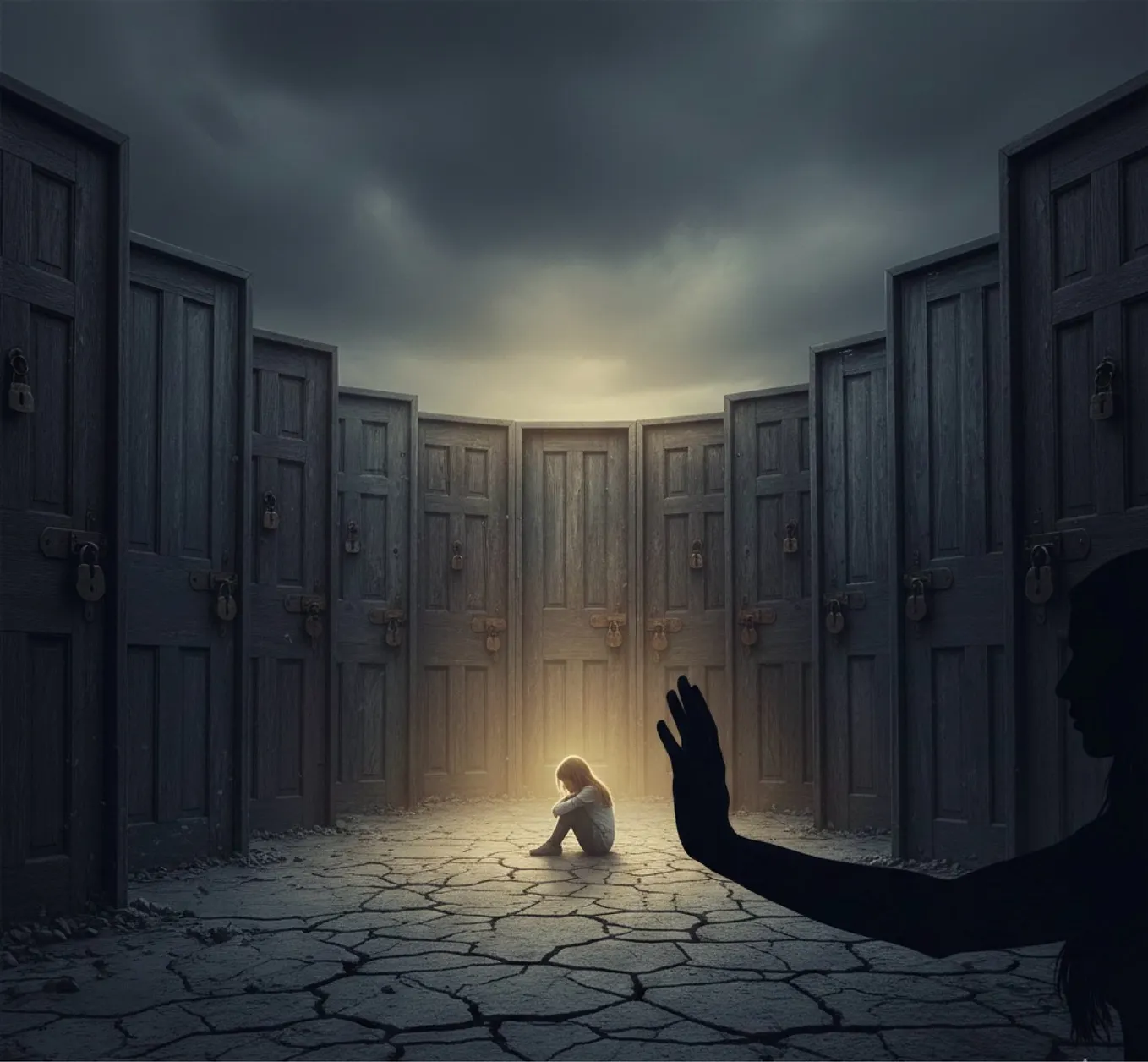
Illustration by Barbara Gibson(internet source)