Why Courts So Often Believe the Abuser

People ask me this all the time: “Why do the courts believe the abuser?”
I ask myself that question almost every day.
The truth is, most judges aren’t consciously siding with abusers. What’s really happening is that the family court system itself is designed to favor shared parenting at all costs, even when that means ignoring abuse.
Unless harm can be proven in a way the court recognizes — through police reports, visible injuries, child services or criminal convictions — abuse becomes invisible.
The System Was Built to Preserve Contact, Not Safety
Family law was written around the idea that children benefit from having both parents in their lives. That’s true in healthy families. It becomes dangerous when that belief is applied blindly to cases of coercive control and domestic violence.
Courts tend to operate under what’s called the “friendly parent” presumption — the idea that the parent most willing to facilitate the child’s relationship with the other parent must be the healthier, more stable one.
When a parent raises concerns about safety — when they say their child is anxious before visits, when she asks for supervision, when they question the other parent’s erratic or threatening behavior — they’re often seen as unfriendly or obstructive. The system interprets her fear as resistance instead of protection.
Judges, guardians ad litem, and evaluators may conclude she’s “not promoting a positive relationship,” even when what she’s actually doing is trying to keep her child safe.
Abusers understand this dynamic and they exploit it. They walk into court appearing calm, cooperative, and endlessly reasonable. They say things like, “I’ve tried everything to work with her, Your Honor,” or “I just want to co-parent for the sake of the kids.” On paper, they’re the model of cooperation. In reality, they’re controlling every move behind the scenes — using the legal process to extend their reach and force continued contact.
The “friendly parent” standard rewards presentation over truth. It doesn’t ask why one parent is reluctant to engage.
It doesn’t consider that trauma responses can look like avoidance, withdrawal, or hesitation. It doesn’t recognize that a parent who appears “difficult” might actually be the one holding boundaries.

I see this every day in my work. The parent who endured years of coercion is now told she must be more flexible, more accommodating and more forgiving. She’s expected to prove she’s “friendly” to the person who spent years systematically destroying her sense of safety.
Until courts understand that calm does not equal safe and compliance does not equal co-parenting, the “friendly parent” standard will keep punishing the parent who is actually protecting the child.
At the same time, the discredited fake idea of “parental alienation” still infects family courts. It flips the story, suggesting the protective parent is manipulating the child. Research from GWU Law’s National Family Violence Project and Georgetown Law’s Domestic Violence Clinic shows that when fathers claim alienation, mothers’ abuse allegations are dismissed at much higher rates.
This is my take on parental alienation and why I think we need a new word to describe it.

How Abusers Win Credibility
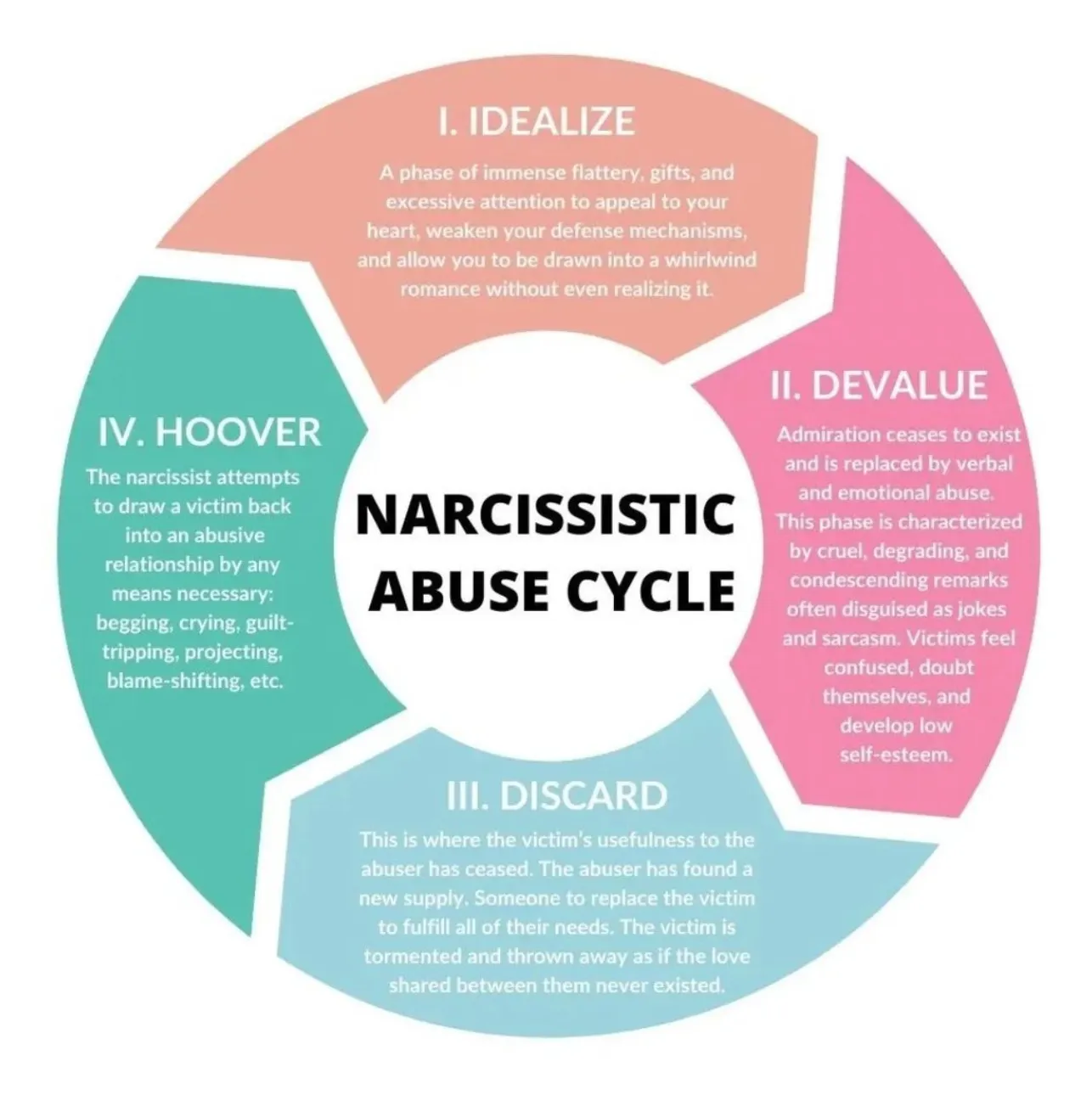
Abusers are masterful at appearing rational, articulate, and credible. They know that the calmest person in the room often looks like the most honest one.
Here’s how it works (with some research links):
- Gaslighting and DARVO. They deny, attack, and reverse victim and offender roles — making the survivor look unstable or vengeful. Judges unfamiliar with these dynamics can easily be swayed by a confident, self-assured abuser. (NCJFCJ)
- Weaponizing process. They file repeated motions, hire aggressive attorneys, and bury the survivor in legal fees. Every delay or demand becomes another form of control. (Attorney at Law Magazine)
- Documentation theater. They present texts or receipts out of context, building a paper trail that paints them as reasonable while hiding the abuse that happened offline.
- Charm and presentation. They smile. They cry. They talk about “wanting to co-parent.” Meanwhile, the survivor — shaking, anxious, exhausted — comes across as emotional. In a courtroom that equates composure with credibility, trauma often loses to performance.
I once worked with a mother whose ex was arrested for domestic assault but never charged. When she expressed fear of unsupervised visits, the judge warned her about “alienating the father.” He walked out with joint custody. That is what systemic disbelief looks like.
Why Survivors Struggle to Be Heard
The courtroom is not trauma-informed. It’s rule-bound and time-limited.
Survivors are expected to deliver linear, detailed stories about years of psychological abuse while sitting across from the person who caused it.
They are often the only witness to what happened. Much of coercive control — financial sabotage, humiliation, isolation — happens behind closed doors and becomes inadmissible “hearsay.” (WomensLaw.org)
Even trauma itself works against them. A survivor’s shaking hands, tears, or inconsistent recall are treated as signs of unreliability rather than symptoms of fear. As research published in Trauma, Violence & Abuse notes, fragmented memory and affect are normal trauma responses, yet courts often interpret them as deceit.

The Law Is Catching Up, Slowly
Some jurisdictions are starting to recognize coercive control as real abuse.
California’s Family Code § 3044 creates a rebuttable presumption that giving custody to a parent who has committed domestic violence in the past five years is not in the child’s best interest. (FVAP)
Federal legislation is also moving. Kayden’s Law, part of the 2022 Violence Against Women Act reauthorization, urges states to make child safety the top priority in custody cases. It also ties funding to mandatory domestic-violence training for judges and evaluators. (VAWA/DOJ Summary)
Get Jessica Knight, MA, CPCC, NICC’s stories in your inbox
Join Medium for free to get updates from this writer.
The National Council of Juvenile and Family Court Judges (NCJFCJ) now provides judicial bench cards reminding judges to consider patterns — not isolated incidents — and to avoid relying on alienation claims in cases involving abuse. These are small but vital steps toward systemic change.
What Still Needs to Change
Legal reform doesn’t automatically translate into safety. Even in states with strong statutes, enforcement is inconsistent. Many judges have never heard of coercive control and do not validate victims when they ask for a protection order. Some still believe that if there’s no restraining order, the abuse “wasn’t that bad.”
For survivors, they are expected to provide evidence that often doesn’t exist, stay calm in the face of their abuser, and comply with court orders that ignore their safety.
To change that, we need:
- Mandatory coercive control and trauma training for all family-court judges and evaluators.
- Elimination of “parental alienation” as admissible evidence in domestic-violence cases.
- Funding parity and legal aid expansion so survivors can compete in a system that rewards those with money and counsel.
- Accountability mechanisms for evaluators and professionals who disregard evidence of abuse.
Until courts can recognize non-physical abuse as real harm, survivors will keep being told they’re “uncooperative” when they’re simply protecting their children.
How to Strengthen Your Case (Even in an Unfair System)
The system is flawed, but there are ways to strengthen your position and make the truth harder to ignore. You can’t control bias, but you can control your documentation, your clarity, and your consistency.
1. Keep a paper trail.
Document everything — emails, texts, voicemails, and parenting app messages. Keep them in chronological order. Do not edit, summarize, or delete. Screenshots with timestamps are stronger than summaries. Store everything in cloud folders and print key pieces in case access is revoked.
2. Write incident summaries, not essays.
When something happens, document it factually and immediately: what happened, when, where, who was present, and how it affected the child. Avoid emotional language in official records.
3. Align your documentation with your child’s well-being.
Frame every concern around impact, not accusation. For example:
- Instead of “He’s abusive and manipulative,” write, “Charlotte became withdrawn after his visit and expressed fear of returning.”
- Focus on behavior and effect.
4. Stay calm in writing, even when you’re provoked.
Abusers often bait you to appear “hysterical” or “uncooperative.”
Before sending any message, imagine it being read aloud in court.
If it sounds reactive, rewrite it. This doesn’t mean silencing yourself — it means protecting your credibility from manipulation.
5. Understand the laws that protect you.
Know your state’s domestic violence statutes, custody presumptions, and reporting standards.
Resources like WomensLaw.org and FVAP provide state-by-state guidance.
If possible, consult a trauma-informed attorney — even briefly — to review your documentation and presentation strategy.
6. Prioritize your nervous system.
When you walk into court dysregulated, your truth can be misread as instability.
Ground before hearings. Breathe before responding. A calm tone helps your words land where they need to.
These steps don’t fix the system, but they help you survive it — and they make it harder for your abuser to weaponize it against you.
Remember: your fear isn’t irrational. It’s data your body collected when the court refused to.
If you need support:
My coaching sessions are designed to give you language, strategy, and validation. Whether you’re still in the relationship, navigating court, or trying to heal after leaving, we’ll build a plan that makes sense for your reality.
If you want to go deeper at your own pace, explore my Thinkific courses, including Divorcing a Narcissist 101 and The Documentation Course — each built from real coaching frameworks I use with clients every day.
I also post a divorce or co-parenting related topic every Friday on my podcast: https://youarenotcrazy.buzzsprout.com/
Courts don’t believe abusers because they’re naïve. They believe them because they were never trained to recognize the kind of abuse that doesn’t leave bruises. Until that changes, survivors will keep losing not because they lack credibility, but because the system lacks comprehension.
We don’t need a friendlier court. We need a court that knows what abuse actually looks like.