Bad interpretation of the Bible drives people into atheism.

God is love, so scripture should be read lovingly.

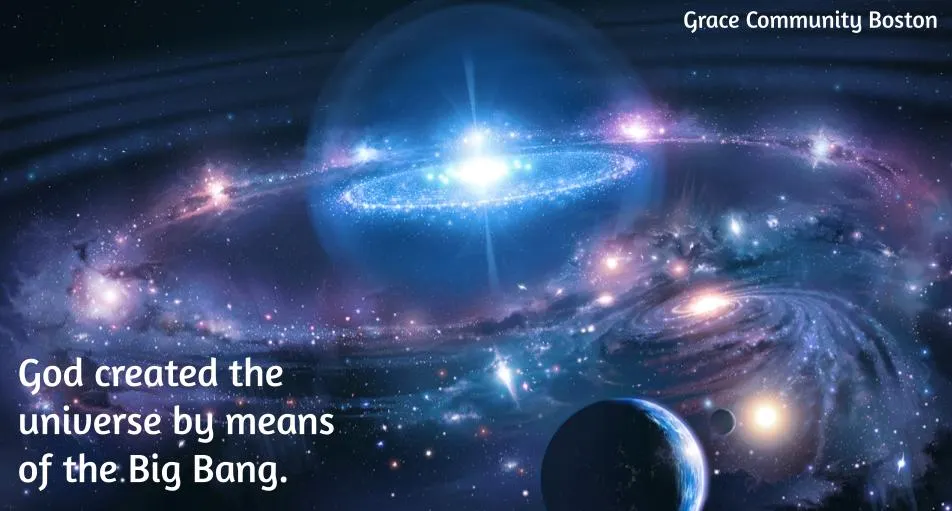
Science and religion need not conflict. I teach a course on science and religion, and we always discuss Darwin’s theory of evolution in class. One semester I was explaining the history of Darwinism and its conflict with those churches that insist on a literal interpretation of Genesis. I also covered those churches that accept Darwin’s theory as a scientific advance, grateful for the powers of observation and reason that God has gifted us.
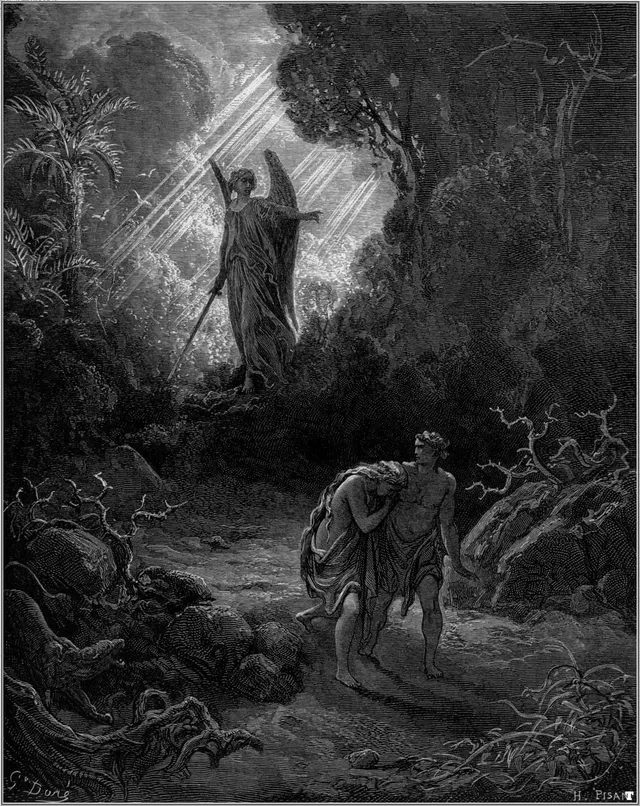
A student in the back of class was staring at me wide-eyed throughout the lecture. Later, in conversation, I discovered she had been raised in a fundamentalist church that preached biblical infallibilism, aka biblical inerrantism — the belief that there can be no mistakes or errors in the Bible. They disavowed Darwin’s theory of evolution and insisted on young earth creationism, concluding that Adam and Eve were historical figures, created from scratch, and that the world was about seven thousand years old.
Get Progressive Christian Theology’s stories in your inbox
Join Medium for free to get updates from this writer.
To the members of this church, Genesis was more accurate than any humanly written science textbook because it was the divinely written word of God, utterly reliable in all fields of human knowledge, including science and history. As the word of God, it couldn’t be wrong and anything that disagreed with it couldn’t be right. For this community, to reject a literal interpretation of Genesis due to “scientific discoveries” was the height of arrogance, a preference for human reason over against faith in God. To make things worse, her church taught that Darwin’s theory of evolution inevitably led to atheism, eugenics, and ultimately, Nazism, since it assumed cutthroat competition between all parties.
Ironically, my student was a biology major. Biological science considers Darwin’s theory of evolution to be foundational for understanding all the subdisciplines within that field. During her college studies, as the overwhelming evidence for evolution became apparent, she began to believe that she was an atheist because Darwinism was incompatible with Christian faith. She was being forced to choose between her intellect and God, and her intellect was winning.
God is love, and God wants scripture to be interpreted lovingly. This lecture was the first time she had learned of Christians who accepted evolution and followed Jesus. She saw that deep faith was compatible with intellectual integrity. She was not, by predilection, an atheist. She trusted God, but didn’t have a concept of God that she could trust. During class, her face expressed the dawning realization that she could be both a Christian and a scientist, in good conscience, without compartmentalization.
In the essays that follow, we will discuss the Bible and its interpretation. What we understand the Bible to be, and how we interpret it, can draw people into faith or drive them out of faith. Currently, more people are being driven out than drawn in. In response, we will propose an understanding and interpretation of the Bible that accords with how Jesus read his own Bible — agapically, as an expression of the universal, unconditional, celebratory love of God for all. And we will conclude that Christians should read the Bible — including the Newer Testament — like Christ did, as agapically as possible. Because only love heals. (adapted from Jon Paul Sydnor, The Great Open Dance: A Progressive Christian Theology, pages 243–245)