The One Rule That Explains Why AI Fills Restaurant Seats and Kills Appetites

Two data points landed in the same seven-day window. Most people who work in restaurants or market them saw one or the other. Almost nobody saw both.

Here is the first one. PYMNTS reported on September 14 that OpenTable’s integrations with AI models drove 17 times more seated diners year over year for restaurant operators. Diners reached through those AI tools, which include ChatGPT, Gemini, Google Search, Copilot, Perplexity, and Amazon Alexa+, spent on average 20% more per visit than diners reached through other channels. OpenTable’s voice AI booked 3 million diners in 2026. Its Table Automations tool is saving operators 4.5 hours a month. Its Turn Time and Availability Insights are recovering 39 minutes of reservable time per shift. These are not projections. These are reported operating results.
Here is the second one. The Cool Down reported on September 12 that diners are openly revolting against AI-generated food images. A University of Oxford experimental psychologist named Charles Spence ran a study finding that once diners know a food image is AI-generated, they find it less appealing, even if they liked it before the reveal. Scripps News documented diners saying that fake promotional images signal “shortcuts in food preparation and quality.” A coffee shop owner used AI to make a menu poster and got flooded with angry DMs. Yahoo ran a piece with a headline calling AI food imagery “nauseating horror.”
Same week. Same industry. Completely opposite signals.
Unless you put them next to each other. Then they are the same signal.
What the Oxford study actually found
Spence’s finding is the hinge the whole thing turns on. The image did not change. The food did not change. The appetite changed because of what the diner learned about the process. That is not a technology failure. That is a trust failure, and it happens the moment a customer feels like someone was trying to pass something off as something it was not.
The Scripps reporting gets at why this matters so much in food specifically. Diners say a fake photo of the dish implies a fake dish. The leap from “they generated that image” to “they cut corners on the food” is fast, it is emotional, and it is almost impossible to undo with a loyalty points offer.
The pattern here is older than AI. It runs through every industry where craft and authenticity are part of what you are selling. A wax apple looks like an apple. Your eye knows immediately, even if your brain takes a second to say why.
Why the OpenTable numbers are so large
The 17x seated diner growth and the 20% spend lift are worth reading carefully, because the mechanism explains everything.
None of what OpenTable’s AI is doing is visible to the customer. The AI Concierge is matching a natural language dinner request to real-time availability. The voice AI is booking a reservation at 11 p.m. when the host staff went home at ten. The table automation is adjusting minimums based on live demand. The customer’s experience is: I asked ChatGPT where to take someone for a good meal in this neighborhood, it gave me a name, I booked, I showed up, I had a nice time.
Get Josh Levine’s stories in your inbox
Join Medium for free to get updates from this writer.
They never saw the engine. They just experienced a frictionless path from intent to table.
The 20% spend lift almost certainly reflects intent quality. Someone who found a restaurant by asking an AI assistant for a specific type of experience in a specific place is already more committed than someone who clicked a generic promoted post. They arrived decided. Decided diners order differently.
The behind-the-curtain rule
Here is the framework. I have one for this, because a framework is how an idea survives a Monday morning.
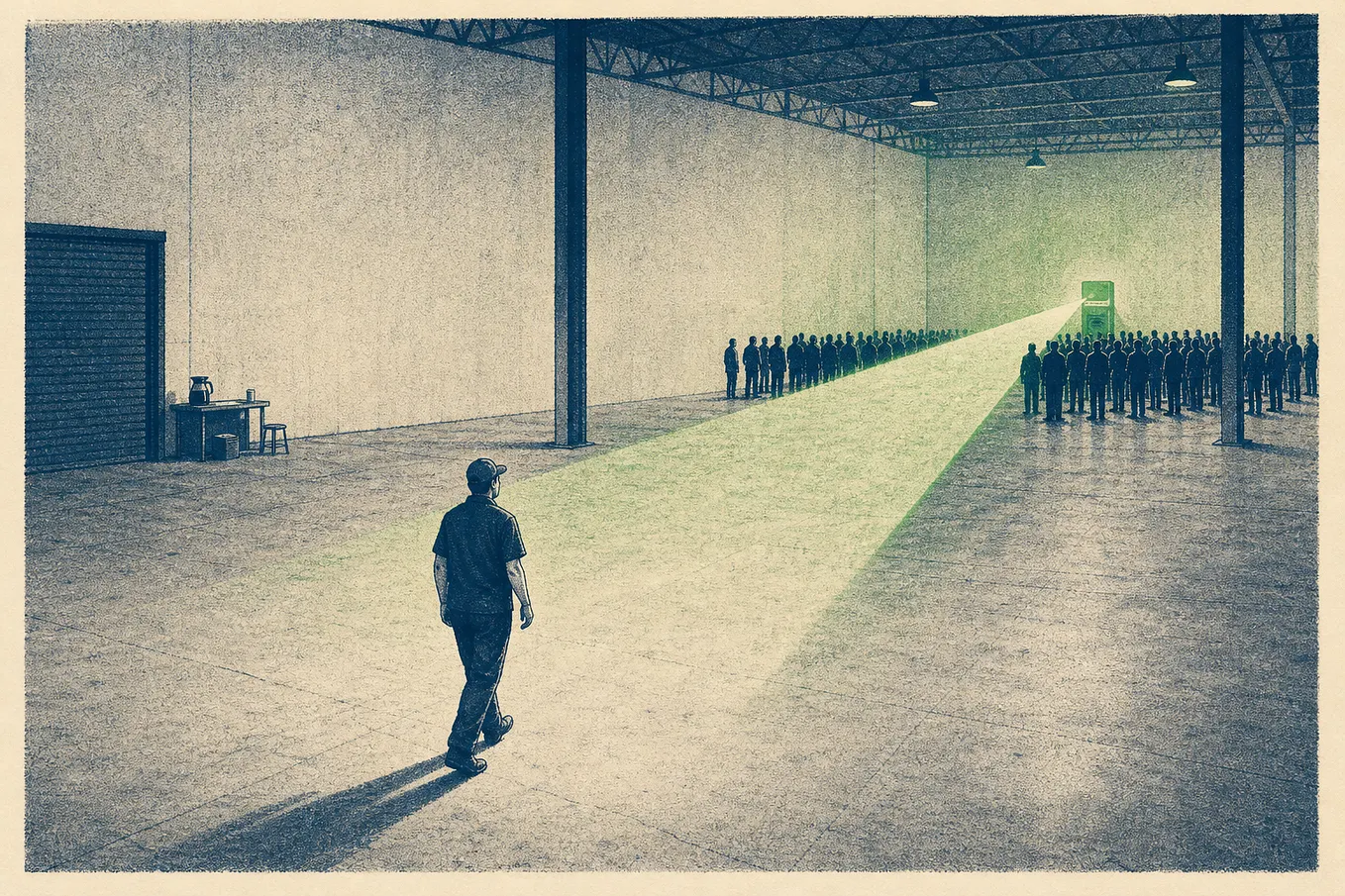
Customers will pay a premium for the magic show. They do not want to see the rigging.
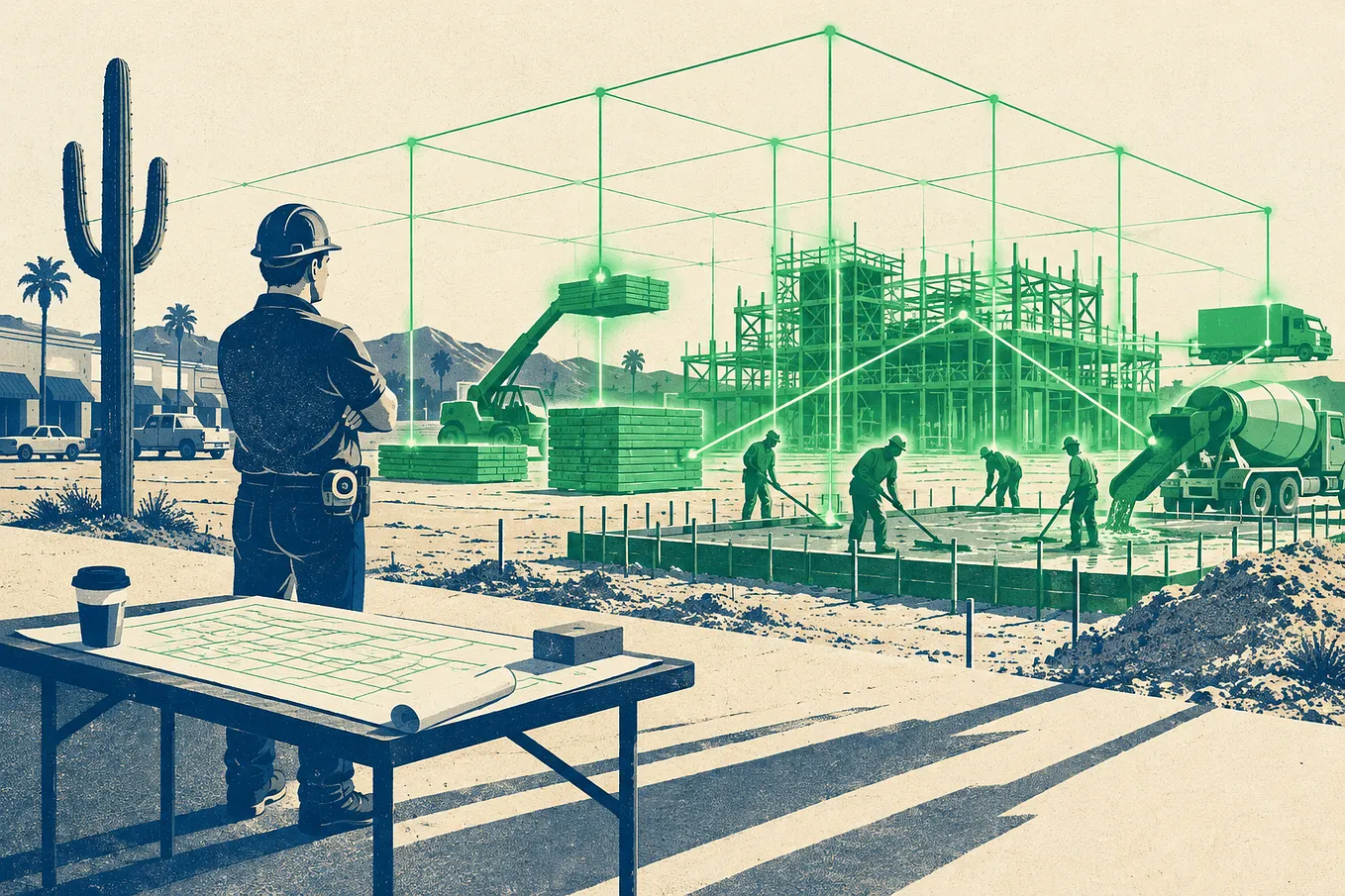
When AI is behind the curtain, making your reservation system smarter, surfacing your restaurant in an AI assistant’s answer, recovering reservable time you were leaving on the floor, it makes the experience better and the customer never knows a machine was involved.
When AI steps in front of the curtain, generating the photo of your risotto, writing the caption on your promotion, customers feel the breach. Not because they hate technology. Because they came for something made by humans, and a machine-generated image of that thing is the first signal that maybe the whole experience is automated.
Deloitte reported in March that about 70% of restaurant operators are either using or piloting AI for loyalty programs and employee workflows. That number is climbing. The National Restaurant Association found 26% of operators are already using AI for marketing. The operators who understand which side of the curtain they belong on will pull away from the ones who are just trying AI everywhere and watching what happens.
Three things worth doing this week
Audit your creative for AI-generated imagery. Pull your Google Business Profile, third-party menu listings, and your last 20 social posts. Replace AI-generated food photos with real ones. Even a phone shot in good natural light is better than an image that triggers doubt.
Check whether you appear in AI-assisted discovery. Open ChatGPT or Gemini and ask it to recommend your restaurant type in your neighborhood. If your name does not come up, that is a structured data and local SEO problem. The same work that gets you into Google Maps feeds the AI assistants reading from that data.
Look at your reservation infrastructure. If you are only taking reservations by phone or through a single platform with no AI integrations, you are not reachable to a growing share of diners who book through AI assistants after hours. OpenTable’s integrations are the documented example this week. Find out where your system sits.
Use AI to get discovered. Keep a human hand on anything a customer will look at.
The original piece with all six sources is at https://wiserootsllc.com/blog/ai-restaurant-discovery-vs-ai-food-images