I Mean, For $10,000?
A Film Review of Anora (2024)

I hadn’t watched a Sean Baker film since Red Rocket, and I shouldn’t have waited so long. Anora is a heartbreaking and hilarious ride.
There’s a subgenre of films that center on an everyman being briefly elevated to the level of the uberwealthy for the entertainment of all. From Baby Face (1933) to Saltburn (2023), we love to watch one of our own taste the high life. They just aren’t allowed to stay there. These films almost inevitably show a fall from glory. The characters, like the cast of a sitcom, must learn their lesson and return from whence they came.
There’s another subgenre where the protagonist experiences more bullshit than you’d ever want to go through, and you have to sit there in despair or schadenfreude. Think Good Time (2017) or Blue Ruin (2013). The inversion of the Rags to Riches story offers the average viewer a sense of relief that they aren’t going through what’s happening on the screen. This genre also brings the protagonist back, perhaps a bit worse for wear, to their point of origin.
Anora brings these two together in a sweet symphony of rolling fortune. When Ani (Anora) is offered an ever-lengthening relationship with the son of a Russian businessman, she makes the same choice most of us would make and leaves her job at the strip club to be the new Mrs. Zakharov.
The first act of the film features the highest highs possible. We follow Ani through extravagant parties, abundant sex, and trips to Vegas (particularly its chapels). I’m glad the good times are so good, because the second and third acts are bottomless pits.
Ani is forced to team up with her kidnappers to catch her husband, who has abandoned her for another bender. The race to find Vanya is the best (or at least the funniest) part of the film. In a sudden turn to slapstick, Ani’s motley crew must retrace the disorderly steps of an idiotic 21-year-old through New York’s clubs and restaurants. Few of the decisions here are intelligent, but all of them are entertaining.
Act three puts us, and Ani, face-to-face with the family she so recently joined. Up to now, Vanya’s parents had been faceless voices on the phone. Nothing more than a looming threat of restrictions on their son’s partying. Now they’re in America, and they suck. Daria Ekamasova and Aleksey Serebryakov make brief yet standout performances as Russian elites who just want to drag their son home and away from his hasty marriage.
Anora is left to return to her home with a consolation prize of $10,000 and her wedding ring. Compared to the luxuries she had just days before and the prospect of a happy marriage, it’s easy to understand her hesitance to exit the car. The tragedy of her situation, the difference between where she was and where she’s returned to, is expressed in a cathartic and heartwrenching scene crammed into her former kidnapper’s grandmother’s car. And just like its genre’s predecessors, Anora returns the viewer and the protagonist to the same place they started.
The fact that she gets to keep her wedding ring is the only revenge she manages to inflict on the family that chewed her up and spit her out. They return to their life of luxury, and Anora returns to her rowhouse on the outskirts of New York. It’s this unchanged power dynamic that points to one of the film’s main messages: how easily the wealthy can impact the working class and how little the working class can retaliate.
Get Mason Finn Kennedy’s stories in your inbox
Join Medium for free to get updates from this writer.
The one time that Ani threatens to upset the economic hierarchy, she’s squashed like a bug. She realizes how little she controls and how little they care. Her life was changed; she quit her job; she burned bridges. Their lives were generally unaffected. They stopped caring the moment she signed the annulment. Anora isn’t a revenge story. It’s not even a success story. It’s an indictment of the complete lack of power held by anyone who has less money than a Russian oligarch.
For most of the film, all of the characters are caught in this framework. Vanya is introduced as a fun-loving guy who simply wants to party. He’s only able to sustain this lifestyle while under their good graces. It isn’t until he’s forced to choose that he resigns to the side of the oppressor. Faced with the choice of his wife or his money, he chooses the money.
More complex still is the relationship between the “goons” and their bosses. It’s established early in the second act that they do not report to Vanya. These men (Toros, Garnik, and Igor) are responsible for keeping Vanya out of trouble while he’s in the US. When they arrive to enforce their boss’s wishes, Vanya runs, and Garnik chases him before slipping on ice. As he crashes to the ground, the slapstick portion of the film begins. Igor is tasked with keeping Ani from following her husband. He does, but does so with an utter lack of grace. Even when Garnik returns from his fall, the two of them can’t contain her without damaging most of the (priceless) living room. Better yet, their Boss Toros is ineptly yelling through a phone the entire time.
In this one scene, the film goes from a romantic spree to a comedy of errors. In the same breath, the film pulls the three underlings into the light of reliability. No longer just goons, these are men trying their best to do a job they depend on. None of them make much money. They’re just as impressed (or disgusted) by the family’s wealth as Ani or the cleaning staff. Toros, the highest-ranking staffer, leaves what appears to be his godchild’s christening to help stop Vanya’s most recent escapade.
In a sudden glimmer of class consciousness, Ani is placed in parallel with her captors as victims of the same wealthy family. She just doesn’t realize it.
This erratic dynamic blossoms the film’s best performances. Mikey Madison plays a good damsel in distress, but a better furious pursuer. Karren Karagulian, Vache Tovmasyan, and Yura Borisov all look like someone who would cut your finger off to get you to talk, but it seems like they’re the ones who need a shoulder to cry on.
Once Ani joins them on their mission, the viewers see a different side of the goons. Traffic, workplace injuries, and limited transportation options are the problems they face. The Zakharovs have likely never experienced these problems and probably never will. That’s why they have staff. As soon as Vanya leaves, you start sympathising with Ani’s captors. They aren’t necessarily good people, but they aren’t nearly as bad as Vanya and his family.
This narrative bait-and-switch is extremely effective and makes the initial hook all the better.
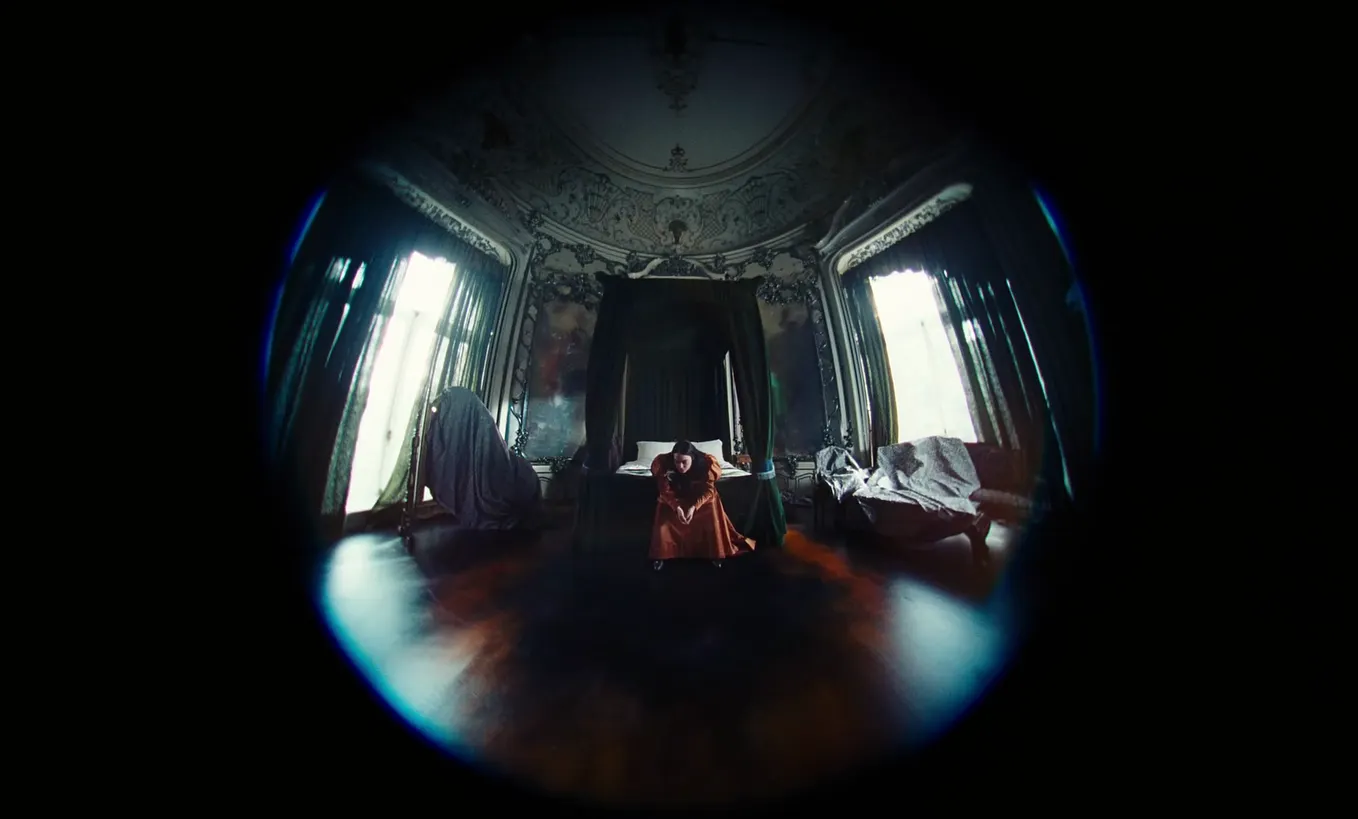
Though not at the same level as the narrative and characters, Anora’s other components do a good job of conveying its message. Cinematography and score work together well, but pale in comparison to the entertaining script. It’s nice to see another film shot on film (35mm), but that wasn’t enough to create truly standout visuals.
The awards, particularly the Oscars, that this film won, properly reflect the quality of its parts. The praise for direction, screenplay, editing, and acting is all more than deserved. Even taking home Best Picture feels fitting given the wild journey the movie takes viewers on. It helps that ambiguous endings seem to be Oscar fodder these days.
Finally, it’s refreshing to see a depiction of a sex worker in which they aren’t boiled down to their job title. Mikey Madison plays an interesting and multifaceted character who’s tough enough to fight for what she wants yet still vulnerable and relatable. Of course, Ani isn’t the only sex worker featured. There’s a whole staff of them at her dance club, and they present the spectrum of traits you’d expect at any workplace (including the one annoying coworker everyone hates).
This representation of the world’s oldest profession wasn’t accidental. In fact, Sean Baker put a lot of work into curating his depiction of Ani and her peers. As early as 2022, Baker contacted sex workers like Andrea Werhun to consult on the film. It’s encouraging to see directors putting more work into telling the stories they haven’t experienced themselves. Even if there’s a long way to go, this is proof that even the biggest films of the year can pay their respects to the people they’re based on.
Anora isn’t a movie to watch with your family, but it does come highly recommended. It’s fun, it’s sad, and it’s relatable to anyone who’s been screwed over by someone with more power.