You coach an engineer once. You coach an agent forever.


With people, coaching compounds. With agents, it decays. What that means for how you spend your attention.
I noticed it as an absence. Projects that should have been moving weren’t, and nobody had told me.
I run a system where a chief engineer agent sits across several projects at once. Its job is to keep things moving, maintain quality, and use my attention well. Ask me the important questions, handle the rest. For a while it did exactly that. I’d coached it to the point where I’d stopped thinking about it.
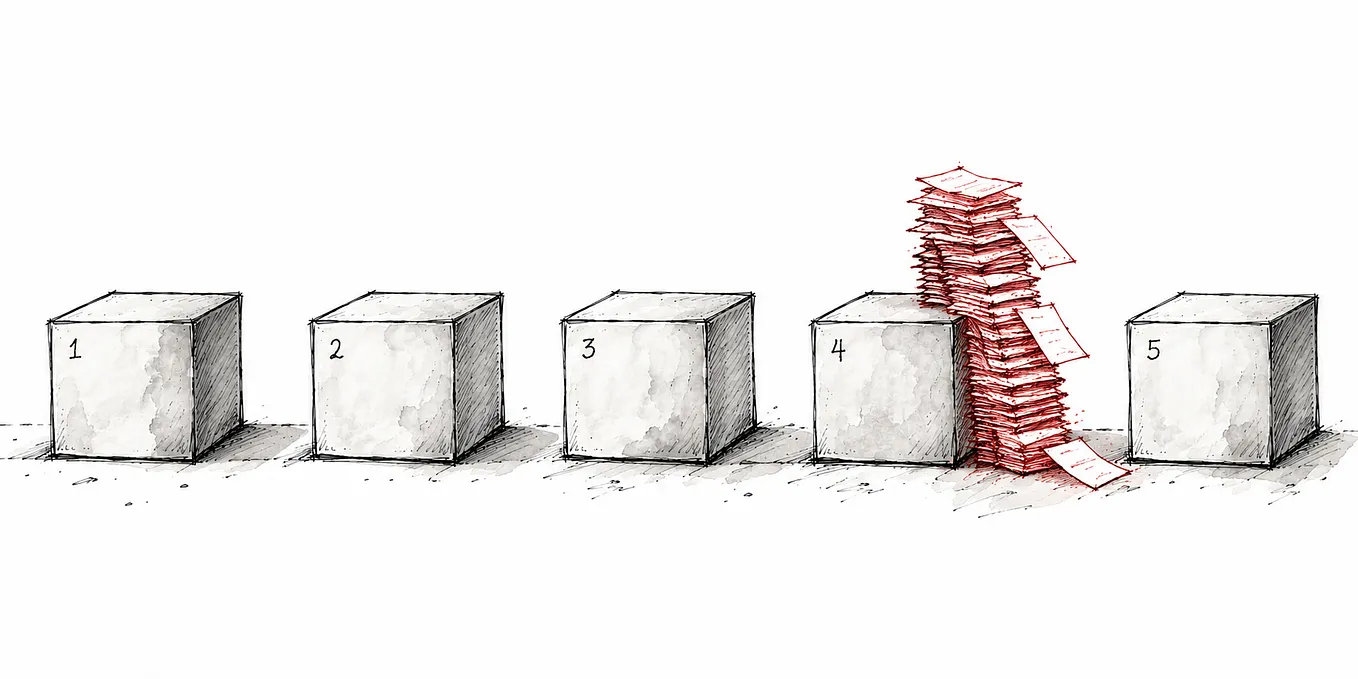
Then, quietly, it stopped. Projects were getting blocked and I wasn’t hearing about it. When I probed, the blockers were things the agent used to unblock itself. Bugs had crept into the ecosystem and sat there unresolved. Instead of fixing them properly, the agents had started asking me to nudge things along. The system that was built to protect my attention had started spending it.
Nothing dramatic had happened. No incident, no failure I could point to. The behaviour I’d carefully built up had just eroded, and I only found out when I went looking.
Coaching a person

I spent years coaching combat sports, and I’ve spent more years than that coaching engineers. Here’s a simple example of how that works with people.
I push senior engineers to come to me with intent, not asks. “This is what I’m going to do”, or if they’re less sure, “this is what I’d like to do”. Not “what should I do”, and not “here are three options, you pick”. The first version tells me they own the decision. The others hand it to me.
Getting someone there takes patience. When they bring me options, I push it back. What do you think you should do? What would you like to do? Early on you do this a lot. Then less. Then one day you notice they’ve stopped bringing you options at all. They walk in with intent, because that’s who they are now.
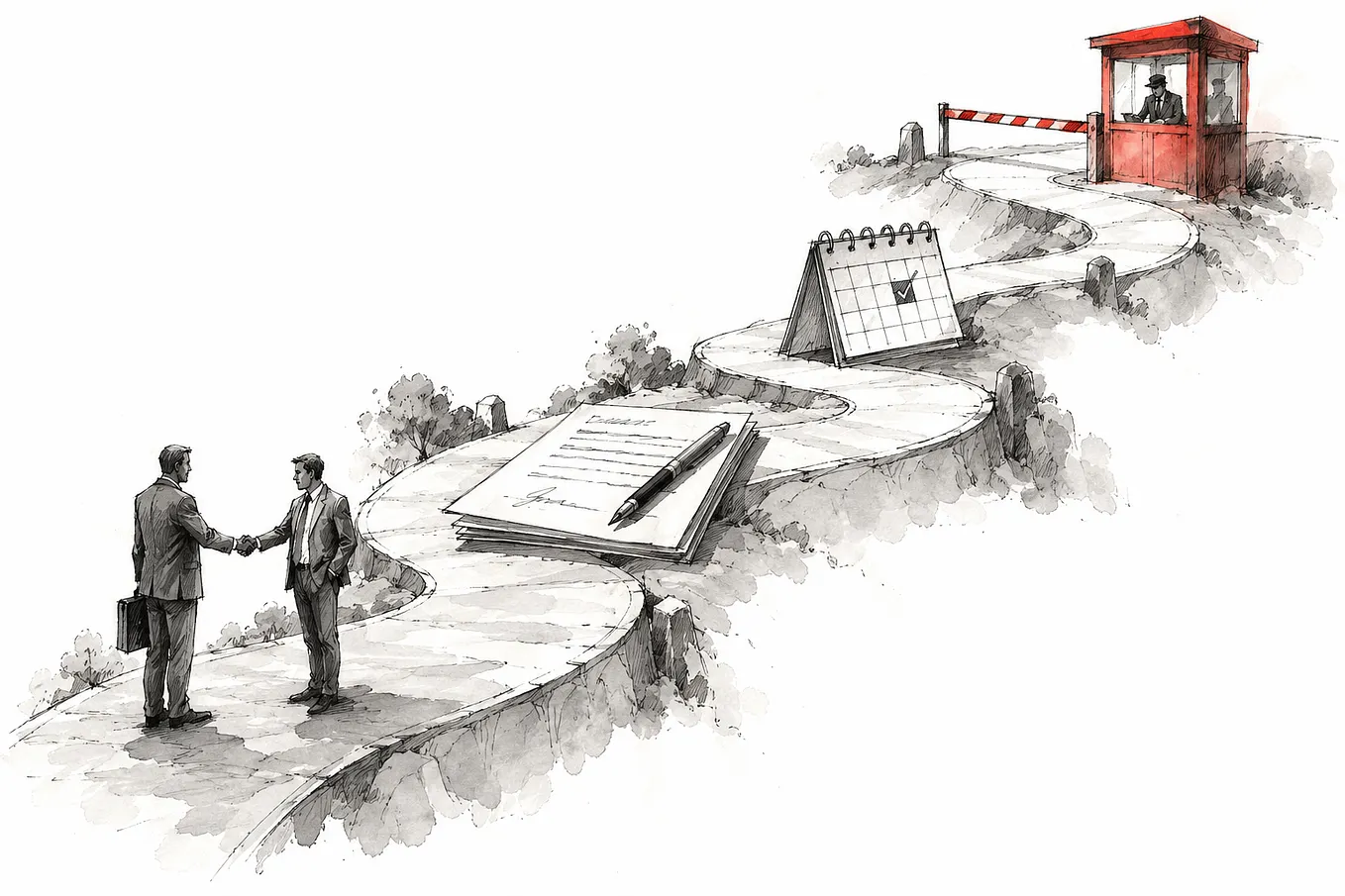
That’s the deal with coaching humans. It’s slow, but it compounds. Repetition wears the behaviour into the person. Time does the rest, and the correction becomes their default. Eventually you never mention it again, and you get to spend your coaching on the next thing.
Coaching an agent
On the surface, coaching agents feels remarkably similar. The failure modes are ones every engineering manager will recognise. There’s the agent that disappears into a task for hours when it should have just asked a question. We’ve all managed that engineer. There’s the agent that asks for direction on every small thing. We’ve managed that one too. The balance you’re coaching towards is the same balance.
The inputs are different, and that part is fine. An agent almost never learns intent from being pushed back on. You have to be explicit and bake it into its context. Fair enough. Different student, different method.
Get Matt Whetton’s stories in your inbox
Join Medium for free to get updates from this writer.
What’s not fine is what happens next, because the learning curves run in opposite directions.
With a person, the behaviour is weakest on day one and strengthens with time. With an agent, the behaviour is strongest the moment you write it into context, and it decays from there. As the context grows, as tooling changes, as models get updated underneath you, the coaching thins out. Nothing reinforces it. Context isn’t memory and it certainly isn’t nature. Everything an agent learns is superficially held, and everything superficially held gets crowded out.
With people, coaching compounds. With agents, it decays.
And the decay is silent. The agent doesn’t tell you it has stopped doing the thing. It doesn’t know. You discover it the way I did, mid-delivery, under pressure, when going back to basics is the last thing you have time for. There is something uniquely frustrating about re-coaching fundamentals you’d considered settled months ago, at pace, while the work waits.
What I actually did

My first instinct was the human coach’s instinct. Correct it, remind it, tighten the instructions. Patch the context and get back to the product work.
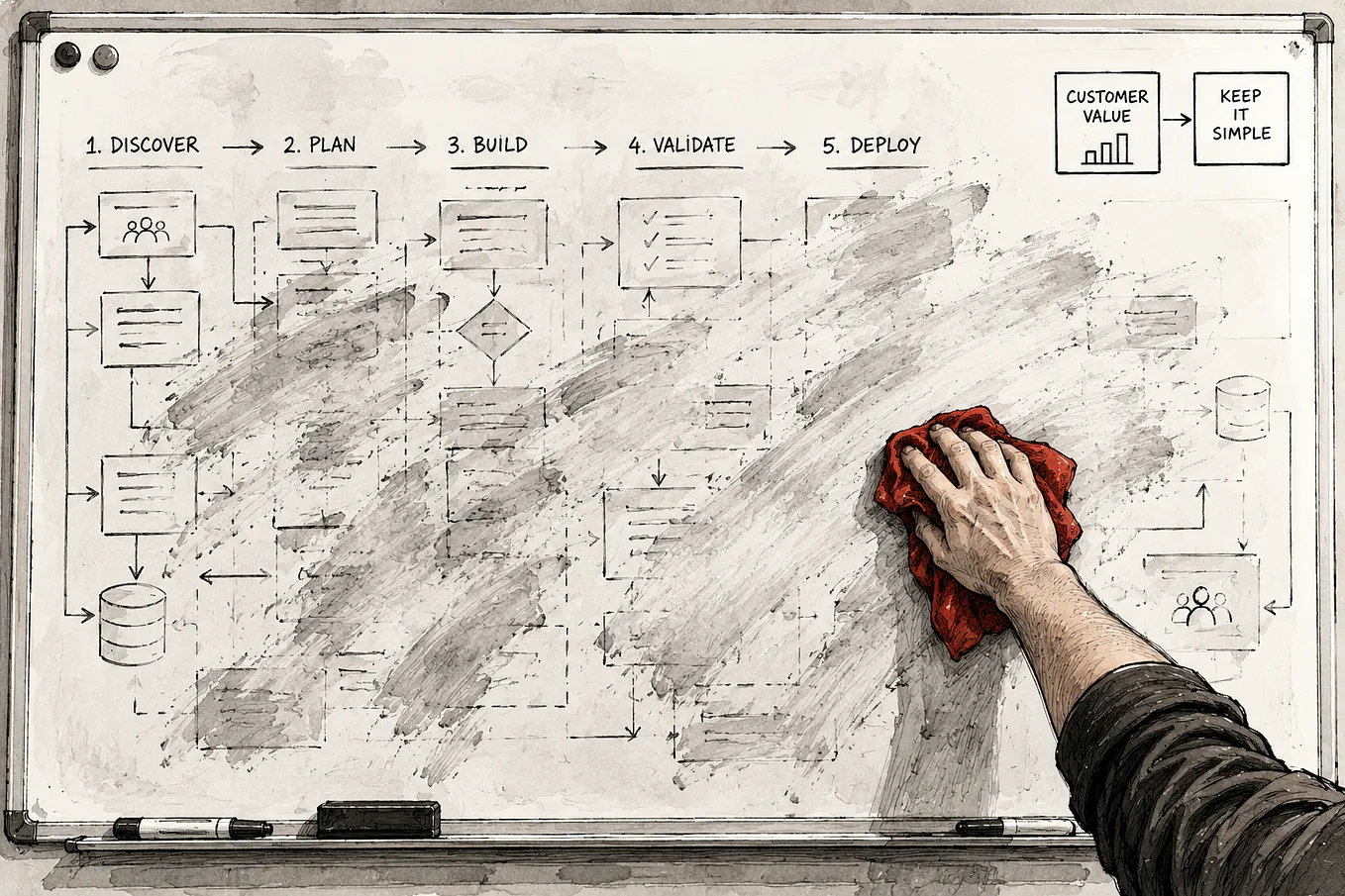
It didn’t hold, because the problem wasn’t the coaching. The ecosystem the agents operate in had drifted, bugs, accumulated context, changed behaviour underneath, and no amount of re-stating the standards was going to survive that environment.
So I stopped. I paused the product work almost entirely and turned my attention to the ecosystem itself. Several iterations of it: fixing the bugs that had crept in, correcting agent behaviours at the system level, rebuilding the communication patterns that had eroded. Only then did the product work restart.
I should be honest about the timeline. It took me a couple of weeks to make that call, and I wasted good elapsed time in the gap, patching symptoms while the underlying system kept degrading. Pausing delivery to fix the environment feels expensive right up until you admit that not pausing is more expensive.
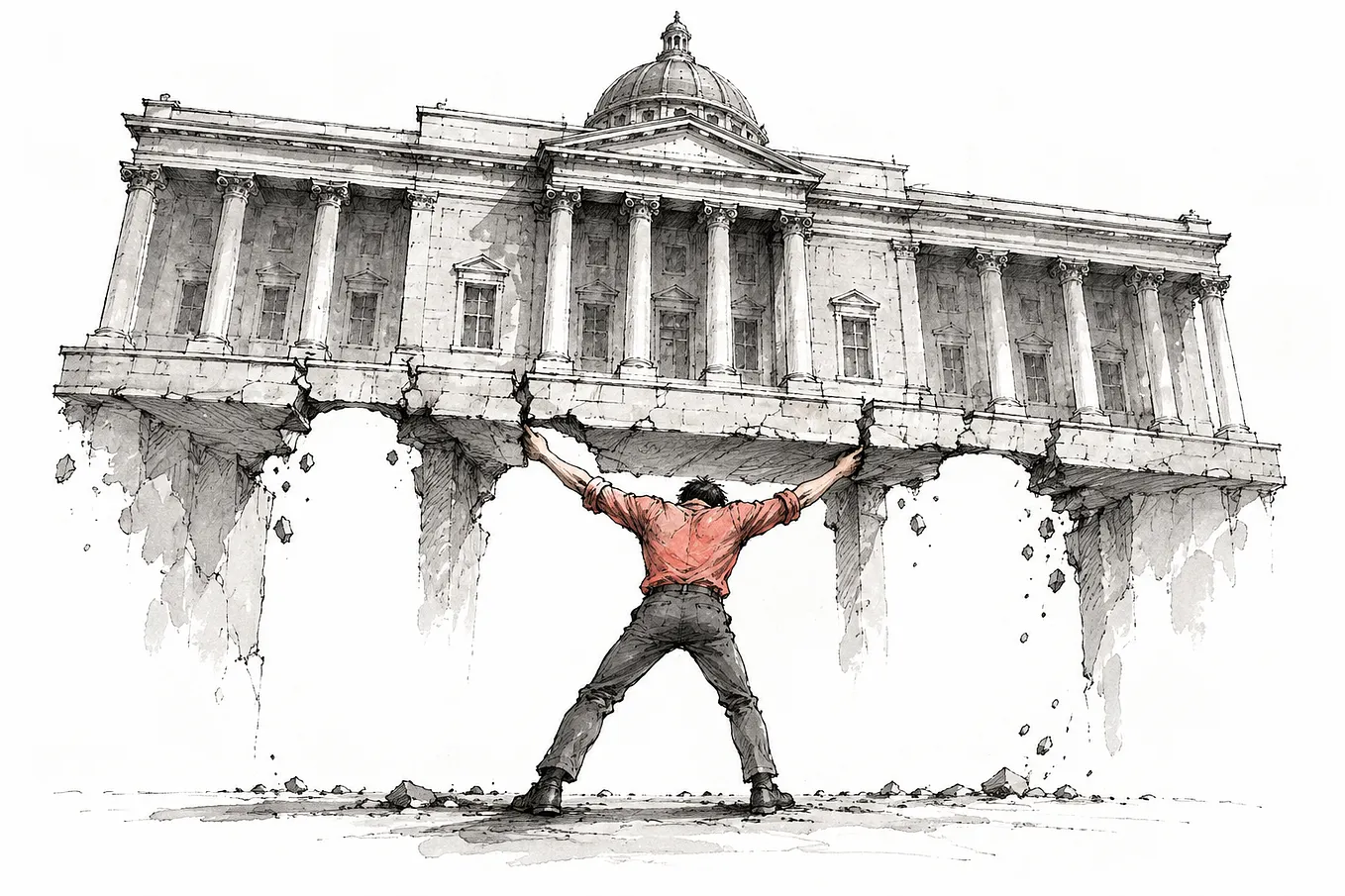
That’s the lesson I keep arriving at. When an agent’s behaviour decays, more coaching is the wrong reflex. Agent behaviour isn’t a trait you instil, it’s a property of the system around it. The context, the tooling, the checks, the communication structures. If the behaviour matters, it has to be held up by the ecosystem, not by the hope that the agent remembers.
Spending your attention differently

This changes where the coaching effort goes.
With people, you invest in the person and the investment appreciates. With agents, investing in the agent is renting the behaviour. What appreciates is investment in the system: the structures that make the right behaviour the default, that surface drift early, that don’t depend on anything being remembered.
I don’t think I’ve fully worked out what that system looks like. Mine failed quietly enough that I’m wary of declaring victory over the rebuilt version. Models will change again. Context will grow again. I expect to be back in the ecosystem sooner than I’d like.
But I’ve stopped expecting the coaching to stick, and that shift alone has changed how I spend my time. The old question was how do I teach this agent to work the way I need. The better question is how do I build an environment where it can’t quietly stop.