The Bravery of Honesty: Why Acknowledging Family Wounds is an Act of Love

Posted on November 13th, 2026

In countless cultures, families, and communities around the world, there exists an unwritten, deeply entrenched social rule that operates with the force of absolute law: Protect the family image at all costs.
From the moment we can understand social expectations, we are implicitly and explicitly taught that the commandment to “honor thy father and mother” means keeping a strict, unyielding silence about their mistakes, failures, and harmful behaviors. Our environments condition us to believe that acknowledging the ways our family wounded, neglected, or controlled us is a form of unforgivable betrayal, a glaring lack of gratitude, or a definitive sign that we do not love them.
If you have ever tried to speak up about your past, only to be met with gaslighting, defensiveness, or the chilling phrase “We don’t talk about that,” you know the crushing loneliness of that burden.
However, there is a radical, life-altering perspective shift that can completely change the trajectory of your life and break open your capacity for genuine freedom: Naming the raw truth of your past is never a sign of disrespect. It is the highest possible act of personal and relational integrity.
In fact, acknowledging these deep-seated family wounds is the only guaranteed way to keep them from becoming the toxic legacy you unwittingly pass down to the next generation.
Deconstructing the “Betrayal” Myth
When we finally summon the courage to look at our family history with clear, unclouded eyes, we are almost always met with a crushing, suffocating wave of guilt and self-doubt.
We worry that by quietly whispering or bravely stating phrases like, “It deeply hurt me when I was emotionally ignored,” or “The chronic volatility in our house made me feel chronically unsafe,” we are launching a malicious attack on our parents’ character or tearing down our family tree.
To untangle this knot, we must dismantle a foundational lie: Love and truth are not enemies.
You can love a family member deeply, recognize their human limitations, and still hold space for the absolute truth that their behavior was profoundly damaging.
Acknowledging a wound is not about playing the blame game, punishing the past, or seeking petty revenge. It is about locating the structural leak so you can finally fix the plumbing. If you live in a house where the floor is constantly flooded, but you pretend the water isn’t there because you don’t want to upset the builder, you will keep slipping, falling, and injuring yourself — and so will everyone else who walks through those doors after you.
Breaking the Generational “Hot Potato”
In psychology and family systems theory, there is a profound, recurring truth: Trauma that is not consciously transformed is inevitably transferred.
This phenomenon is known as generational trauma. It works like a glowing, scorching hot potato passed hurriedly from one generation’s hands to the next. If you do not possess the terrifying, immense courage to stop, look at the potato, and say, “Ouch, this is burning me, and I am not taking it,” you will instinctively, automatically drop it right into the innocent hands of your children, your romantic partner, or your friends.
Acknowledging your historical family wound is precisely the moment you stop the frantic hand-off.
Get Melissa Alton’s stories in your inbox
Join Medium for free to get updates from this writer.
By standing your ground and declaring, “This cycle ends right here, with me,” you are performing the ultimate act of fierce, sacrificial service for your future family. You are doing the heavy, agonizing, unglamorous lifting of processing, metabolizing, and burying the pain so that the people who come after you never have to carry its crushing weight.
The Visible Ripple Effects of Your Healing
One of the most disorienting parts of stepping out of family silence is discovering how people react. When you begin to heal out loud, set boundaries, and speak your truth, you will almost always encounter two distinct, polarized reactions:
Fierce Defensiveness
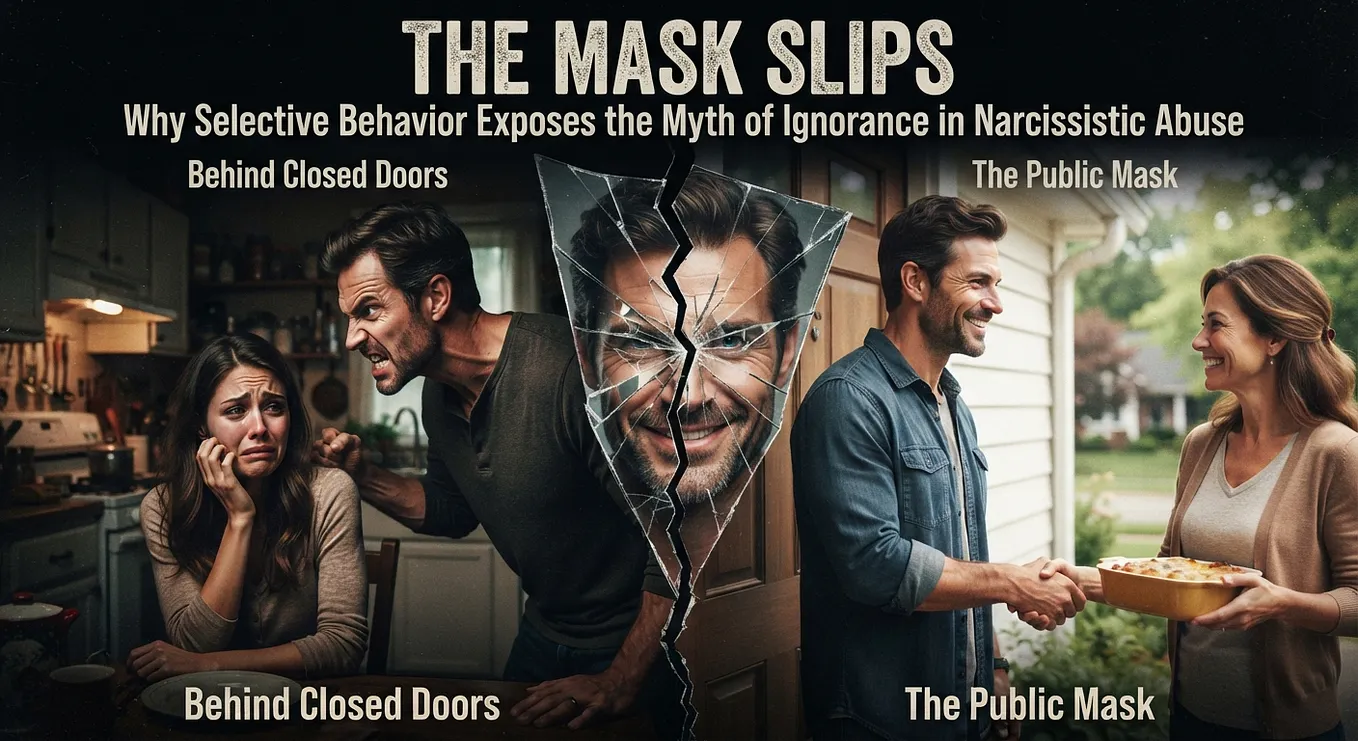
Those family members who are still deeply invested in maintaining the family secret, the denial, and the illusion of perfection will feel profoundly threatened by your honesty. They may label you as “ungrateful,” call you dramatic, or aggressively demand that you “let the past stay in the past.”
Deep, Quiet Recognition
Conversely, those individuals in your broader circle or extended family who are also exhausted from carrying the invisible hot potato will see your courage as an invitation. Your transparency validates their reality.
Your healing acts as a powerful beacon in the dark. You will quickly find that your willingness to be transparent naturally creates a “new family” — a chosen circle of authentic human beings built on shared emotional truth rather than a fragile, suffocating shared silence.
Respect is Not the Same as Silence
True, mature respect involves seeing a human being for who they actually are in full-color reality — including their blind spots, their profound flaws, and their historical capacity to cause harm.
When you hide, minimize, or lie about a family member’s toxic behavior to protect their ego or the family reputation, you are not respecting them; you are actively enabling a destructive cycle of dysfunction.
Honoring your family of origin does not mean mindlessly repeating their unhealed mistakes. It means learning the vital lessons from their struggles so that the healthy, beautiful parts of your family history — such as resilience, humor, creativity, or culture — can survive and thrive. In contrast, the toxic, corrosive parts are finally left behind.
You Are the Bridge
You are standing right in the delicate, sacred space between a painful, restrictive past and a liberated, healthier future. That is a heavy, monumental position to hold.
If the people who originally wounded you lack the emotional capacity to understand your desperate need to speak the truth, remind yourself of this: You aren’t doing it to hurt them. You are doing it to save your own life, reclaim your soul, and protect the people you have yet to meet.
Honest, compassionate healing is the highest form of respect you can ever show to the human spirit.
Finding Safe Passage with Professional Guidance
Unpacking complex family dynamics, untangling decades of guilt, and learning how to set unshakeable boundaries can feel terrifyingly overwhelming. You do not have to navigate this heavy psychological lifting alone.
If you are ready to break generational patterns, process deep-seated past wounds, and step into an authentic life of emotional freedom, compassionate, specialized support is available.
Visit Beyond the Chair to learn more about our professional counseling services and connect with a dedicated therapist who can guide you through every single step of your recovery journey.
Reflect & Share
As you sit with these truths, take a moment to reflect on your own journey:
- Do you find it difficult to separate “naming the harm” from “disrespecting” your family?
- What is one healthy boundary you’ve set that initially felt like a massive betrayal, but turned out to be your most vital step toward true healing?