FULL CIRCLE: INSTALLMENT TWO OF EIGHT
An Alchemist in the Metropolitan Wilderness
My soulful encounters, transformed into gold… artistic gold.

Important Disclaimer: With the exception of my father (Chân Pháp Mật, a.k.a., The Esoteric Nature of True Teachings), please ignore, dismiss, and brush aside any automated prompts to ‘follow’ or ‘join’ or ‘create an account’ since these algorithmic directives are the requirements for this platform, NOT my own. As such, my personal essays are hosted on MEDIUM for its website’s elegant design and book-like architecture, introducing my insightful prose as a literary addendum or the written codex to my theatrical discourses on “The Pedagogy of Moky Huynh,” a non-monetized, multidisciplinary project serving as a public anchor or community resource. With that preamble stated, let the inward dialogue commence…
A treasured friend had once advised me that in order to assist our tumultuous society, I would need to comprehend the human condition.
I’d have to examine a person’s psychology, up close and personal. Or to put it more precisely, see life through their eyes. I had to empathize with their inward plight if I were genuinely earnest about altruism. With all that said, my creative talents seemed pointless and futile if I couldn’t understand the precious life of the mind.
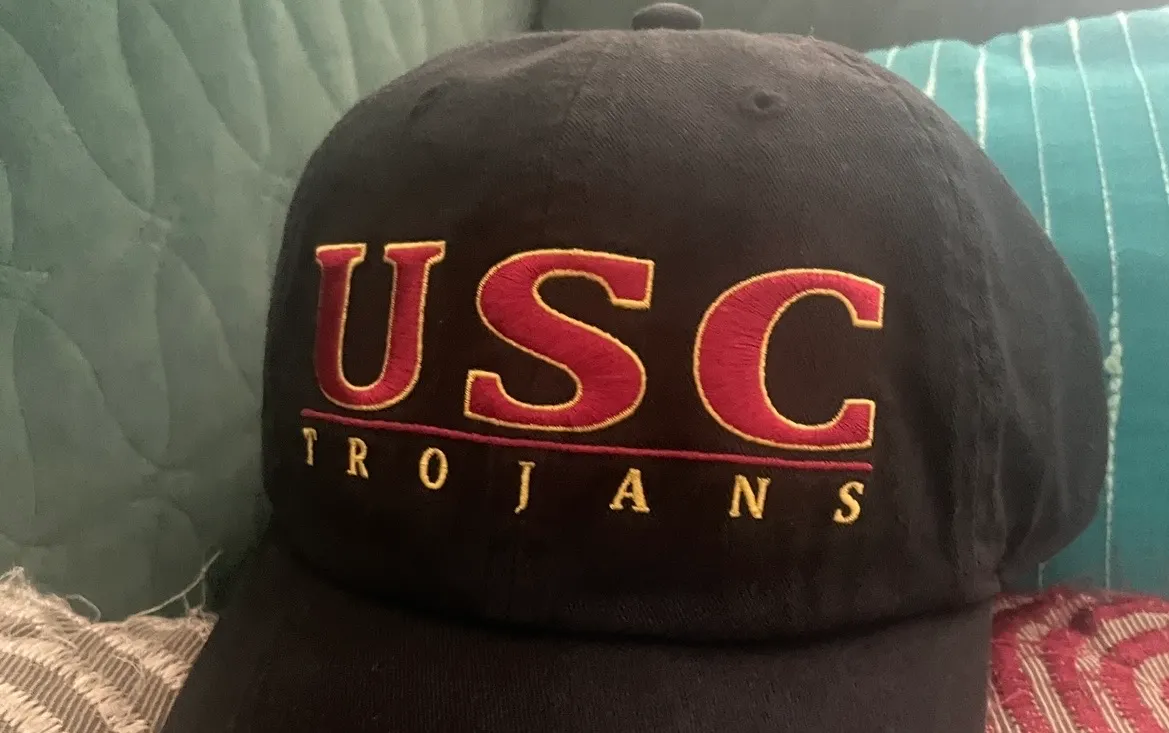
Unfortunately, socioeconomic status plays a fundamental role in our ability to connect with people. In my estimation, astronomical wealth could potentially sabotage a person’s relationship with society if the individual cannot relate to — or identify with — everyday people. When I think of rich, like exorbitantly rich, those oil tycoons from the Middle East or the AI Tech Bros from Silicon Valley come to mind as well as the elite and dominant bankers from Wall Street. Although I, myself, was nowhere close to being rich, I still enjoyed a fairly affluent lifestyle, courtesy of my parents. Back in the day, I had driven my father’s Porsche to my high school senior prom, feeling exceptionally suave and debonair. I also lived in Santa Monica near Ocean Avenue (just minutes away from the cloudy beach) while I attended USC. And throughout those semesters, my devoted parents footed the bill as I was going to school out of state. By virtue of their generosity, I had the luxury of not having to work. I could focus intently on my academic studies, yet playfully chill and lounge rather leisurely. Needless to say, my carefree life was relatively privileged, which I certainly took pleasure in. Yet all the same, this seemingly great privilege was somewhat detrimental. My economic stratum had isolated me from the day-to-day struggles, and even worse, I didn’t realize it. My insensitive outlook was more or less the norm, deemed as commonplace. As such, I was incapable of participating in the process of change on a real, profound level.
Hypothetically, if I had remained in school in 1998 and finished my final semester, I would’ve most likely continued a life of privilege, remaining oblivious to real human suffering. Of course, I wasn’t immune to grief and misery. I definitely felt my share of pain, mired by various insecurities, but they were run-of-the mill and the garden-variety. My inconveniences were petty and minuscule, nothing worthy to gripe about in comparison to others. But still I did. I complained about trivial matters, yet ironically, it wasn’t my fault. Rather, I was merely a product of my environment. When you’re surrounded by affluence, even mildly, from the inception of your life, you cannot help but be a bit insensitive — out of touch so to speak. Although I was kind, benevolent, and polite toward the people around me, it wasn’t enough to create a ripple. It wasn’t enough to deeply improve the quality of life, the standard of living. In other words, being “nice” could only do so much. There was a lot more to it than geniality. Substantial change within our society required sacrifice and copious patience. Fortunately for me, Paulo Coelho’s the “Soul of the World” mystically intervened, inciting my departure. Otherwise, I would’ve continued being blind and apathetic — another comfortable cog in the wheel of capitalism.
Get Moky Huynh: A Trojan Redux’s stories in your inbox
Join Medium for free to get updates from this writer.
At the beginning of my senior year in college, I had made up my mind to become an artist, no matter the cost. Since the handful of performers that I admired had developed their talents in the real world (e.g., Charlie Chaplin, Quentin Tarantino, and Tupac Shakur), I couldn’t rationalize the point of staying in school as it pertained to my creativity. I felt bored and suffocated. Yet on the other hand, I was still managing to earn excellent grades in my communication classes. In fact, I had tremendous respect for this branch of discipline, but at that juncture, I solely perceived it as a back-up plan. Ultimately, my perspective would change as I discovered the other facets of my personality. But at the age of 23, my burning heart incessantly ached to be an artist. It was time to pursue instead of waiting. It was time to have a conversation with my mother and father. When I approached my parents about my predicament, they totally empathized and zealously offered their poignant blessings. “Follow your heart,” they wisely espoused. And so I did. In the winter of 1997, I dropped out of USC… just one semester shy of completing my degree.
As an aspiring artist, I needed a job to pay my bills while I honed and developed my special craft. However, instead of the proverbial waiter, the punk-rock bartender, or the corporate barista, I chose to be an accounts payable clerk, which kind of transpired by chance. I had initially just wanted to file documents through a temp agency. But as fate would have it, while I assisted the accountants with their filing system, they had asked me to help them with their month-end closing, which entailed a plethora of invoice entries. It just so happened that I was quick and accurate with the 10-key, and before I knew it, they had hired me into the AP department. Soon afterward, these fastidious accounting folks would share their triumphs and failures with me in relation to their personal roadmaps, and I eminently valued their authentic friendships. When the hectic workdays concluded, I’d joyfully pour my entire being into my creativity, which my father generously financed — one project at a time. Additionally, I made a conscious habit of eating just one meal a day and sleeping on the floor at night. I also took part in contemplative walks around the neighborhood. I was a quasi-ascetic, trying my utmost to simplify my life. These various arrangements worked especially well to prepare me for my future, and thus, my real-world schooling had officially commenced in 1998.
Amazingly, the next two decades, or 18 years to be exact (almost 20), bestowed my mind, my inquiring mind, with a once-in-a-lifetime education. The insightful experiences were at times excruciating, volatile, and precarious. In fact, I was horribly stressed quite often as a corollary of the unknown future. Yet conversely, this intimate odyssey was quite euphoric in a myriad of ways. I felt so free and liberated. I was in essence — a soul unfettered. There were actual moments when I honestly felt like a superhuman, almost invincible, without the mind- altering drugs of course. This confidence was due in large to the various relationships that I had cultivated. I came to fathom that the important key to my real-world education was the diverse array of individuals who had etched their footprints into my soul. These extraordinary characters had derived from all walks of life. They were old and young, conservative and liberal, gay and straight, working-class and professionals, even Democrats and Republicans. Some were vastly religious while others were secular. But regardless of their politics and background, these assorted folks helped empower me to penetrate my sheltered bubble… and deeply experience the wholeness of life.
Does the name Siddhartha ring a bell? If it doesn’t, then I implore you to put aside some time in order to read and absorb this timeless novel by Hermann Hesse. In short, it’s a coming-of-age story of a young, cerebral man who basically has it all (e.g., social status and material comforts). Yet nonetheless, he feels an emptiness that persistently gnaws at his anxious spirit. As a result, he disengages himself from all attachments, including his family, and pursues a personal trek to ascertain the meaning of life. Although my own, distinctive adventure wasn’t as dramatic or theatrical, I could still identify with Siddhartha’s frustration concerning cupidity.
Materialism, at least for me (and Siddhartha), was ephemeral and vacuous. As much as I enjoyed the finer things in life, it could only satisfy me on a superficial level. I found it quite perplexing that human beings placed so much value on material wealth. This infatuation was so extreme that authoritarian governments around the world could cunningly distract its citizenry with mindless consumerism. They averted riots and social upheavals that could threaten their regimes by feeding their people with material possessions. But even more disturbing was the fact that the citizenry voluntarily surrendered their human rights in exchange for fancy attire, slick automobiles, and trendy smartphones. They were willing to sacrifice their intrinsic rights (e.g., freedom of speech) as long as they had access to physical comforts that catered to their insatiable need for escapism. Such philistine behavior allowed government officials to continue their exploitation of their own people for political and monetary gain. In turn, the inequality between the different socioeconomic strata continued to exacerbate in a cancerous fashion.
PREVIOUS ESSAY: Why I Dropped Out of My Dream School to Chase a Dream
SUBSEQUENT ESSAY: Alienated by Originality
PERTINENT LINKS BELOW:
The Pedagogy of Moky Huynh: Official Website