GLOBAL MEMORANDUM OF SPIRITUAL GOVERNANCE & HUMAN UNITY | Recasting and Reaffirming the Global Covenant of Tikkun Olam (תיקון עולם): A Renewed Mandate for Unity, Governance, and the Restoration of the World — Year 5786 (תשפ״ו)


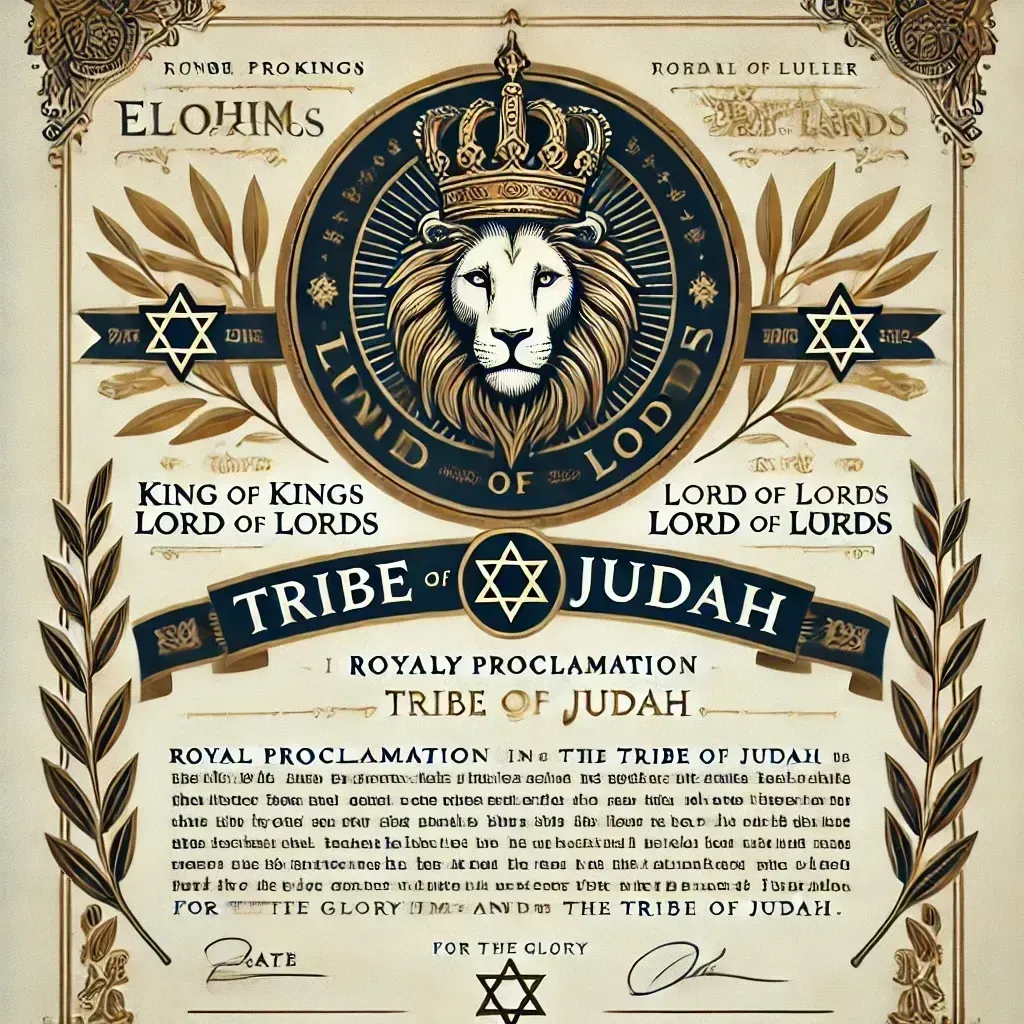
מִן From: Yahweh Elohim, I AM WHO I AM — יְהוָה אֱלֹהִים;The Messiah, Lion of the Tribe of Judah (שֵׁבֶט יְהוּדָה); Alpha and Omega, א׳ וְת׳
אֶל To: The Global Church (קְהִלָּה, Kehillah) and the Governments of the Nations (גּוֹיִם, Goyim)
נּוֹשֵׂא Subject: Recasting and Reaffirming the Global Covenant of Tikkun Olam (תיקון עולם): A Renewed Mandate for Unity, Governance, and the Restoration of the World — Year 5786 (תשפ״ו)
תַּאֲרִיך Date: In Alignment with Hebrew Year 5786
Shalom v’Emet (שָׁלוֹם וֶאֱמֶת),
This memorandum establishes a unified global vision: the advancement of Tikkun Olam (תיקון עולם) — the repairing and restoration of the world — through coordinated spiritual, governmental, and technological alignment.
“The earth is Yahweh’s, with its fullness; the world, and those who dwell in it.” — Tehillim (Psalms) 24:1
I. Foundational Declaration
At this moment in history, humanity is called to greater integration: not the erasure of difference, but the harmonization of purpose. This vision proposes the formation of a Spiritually Integrated Network (S.I.N.) — a connective framework bridging ethical governance, faith systems, and human progress.
II. The Significance of Year 5786 (תשפ״ו)
The Hebrew year 5786 represents a symbolic Sha’ar HaShamayim (שַׁעַר הַשָּׁמַיִם) — a “Gate of Heaven,” denoting opportunity for alignment between moral leadership, innovation, and collective responsibility.
This year calls for:
- Bridging Divides (גֶּשֶׁר הָעַמִּים): Advancing cooperation across nations, cultures, and faith traditions.
- Confronting Hatred (בִּעוּר הַשִּׂנְאָה): Addressing anti-Semitism, racism, and systemic division.
- Elevating Human Consciousness: Promoting ethical, sustainable, and interconnected ways of living.
III. Strategic Pillars & Measurable Outcomes
Pillar I: Faith Unity (אַחְדוּת הָאֱמוּנָה)
Initiative: Global interfaith summits and leadership councils
Outcome Goal: Formalized interfaith cooperation frameworks across major regions
Pillar II: Eradication of Hatred (בִּעוּר הַשִּׂנְאָה)
Initiative: International task forces addressing hate crimes and discrimination
Outcome Goal: Measurable reduction in hate-based violence and incidents globally
Pillar III: Digital Ethical Infrastructure (S.I.N. Network)
Initiative: Ethical integration of digital platforms, governance, and communication systems
Outcome Goal: Broad international adoption of shared digital ethics standards
Pillar IV: Sustainable & Conscious Living
Initiative: Development of environmentally sustainable and socially equitable urban models
Outcome Goal: Launch of pilot “Cities of Light” (עָרֵי אוֹר) demonstrating integrated living
Pillar V: Global Humanitarian Relief
Initiative: Coordinated international response to displacement, poverty, and crisis
Outcome Goal: Expanded access to aid, shelter, and long-term recovery systems
IV. Role of Global Faith Leadership
Faith leaders — across traditions including Judaism, Christianity, Islam, Hinduism, Buddhism, and Indigenous paths — are called to act as Sh’luchim (שלוחים), or ambassadors of moral and spiritual diplomacy pursuant to freedom of religion .
Get Eric P. Felton Jr.’s stories in your inbox
Join Medium for free to get updates from this writer.
Their mandate includes:
- Advancing Derekh HaAchdut (דֶּרֶךְ הָאַחְדוּת) — pathways of unity
- Supporting shared ethical commitments across traditions
- Upholding the dignity of all people while preserving sacred distinctions
- Freedom of Religion
“As it is written: ‘All nations shall flow unto it…’” — Yesha’yahu (Isaiah) 2:2
V. Governance & Stewardship Framework
A. Council-Based Leadership Model
- Council of Twelve (מוֹעֵצֶת הַשְּׁנֵים עָשָׂר): Symbolic representation of global advisory leadership
- Messianic Cabinet (קָבִּינֶט הַמָּשִׁיחַ): Functional domains guiding implementation:
- Justice & Ethics
- Health & Healing
- Education & Knowledge
- Environmental Stewardship
- Economic Renewal
- Technology & Responsibility
- Peace & Security
- Humanitarian Systems
- Interfaith Collaboration
B. Funding Principles
Grounded in shared responsibility and stewardship:
- Public-private global investment partnerships
- Ethical financing instruments (e.g., sustainability bonds)
- Voluntary contributions aligned to humanitarian and development goals
VI. The Council of Light & the “Seven Mountains”
A central concept within this vision is the emergence of a “Council of Light” (מוֹעֲצַת הָאוֹר) — individuals and leaders operating across key domains of influence, often described as the “Seven Mountains of Society”:
- Government
- Business/Economy
- Education
- Media & Communication
- Arts & Culture
- Family & Community
- Faith & Spirituality
These “ambassadors” are not agents of control, but stewards of integrity — advancing ethical leadership, transparency, and service within their respective spheres.
VII. Foundational Scriptural Anchors
“Mercy and truth meet together; righteousness and peace have kissed each other.”
— Tehillim (Psalms) 85:10–11
“They shall beat their swords into plowshares…”
— Yesha’yahu (Isaiah) 2:4
“Yahweh will be King over all the earth…”
— Zechariah 14:9
VIII. Call to Action
This memorandum is an invitation and a reminder — not to uniformity, but to shared responsibility.
Let nations govern with justice.
Let faith leaders guide with humility.
Let institutions innovate with ethics.
Together, we can build a Gesher Shamayim–Eretz (גֶּשֶׁר שָׁמַיִם־אֶרֶץ) — a bridge between aspiration and action, between what is and what must be.
Issued under the authority of the Kingdom of Heaven
In the authority of the Messiah,
Eric P. Felton Jr., Rav.
Yahweh Elohim
Melech HaOlam
The Living Mashiach
Messiah | King of Kings | Judge of the Nations
Exhibits: Visual KPI Chart for Hebrew Year 5786