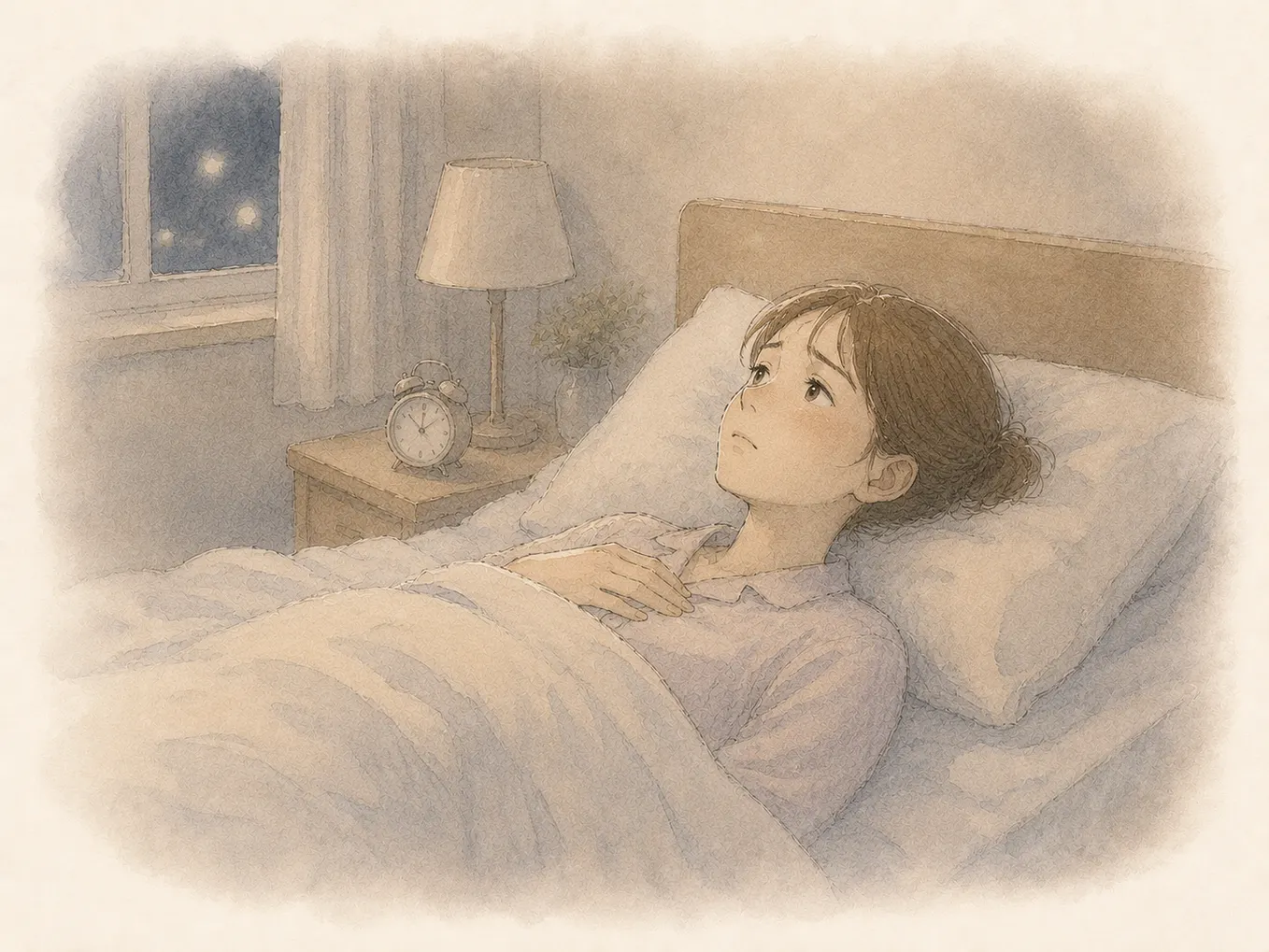
Why Japanese nurses stay late, even when their own work is done


My day shift ended at 5:15 p.m. What kept me there was often someone else’s work.
These are my own experiences as a nurse in Japan. English is my second language, so I write these stories with the help of AI.
In my last post, I wrote about the three-shift rotation I worked on a hospital ward in Japan. The day shift ran from 8:30 a.m. to 5:15 p.m.
That was the time on the schedule. It was not always the time I went home.
Most days: 5:30 or 6:00
Some days I left right at 5:15. Some days I stayed very late. Most days were somewhere in between. I usually left by 5:30 or 6:00 p.m.
Thirty to forty-five minutes does not sound like much. But it was most days, not once in a while.
The days I stayed much later
There were two kinds of days that kept me long past the end of my shift.
The first was simply a busy day. When the morning had been full, the work that was pushed back still had to be finished before I could hand over to the evening nurses.
The second was a same-day admission. Sometimes a patient was admitted in the afternoon, without much warning. A new patient means a lot of work that cannot wait until tomorrow, and it often arrives close to the end of the day shift.
Get piko. Japanese nurse’s stories in your inbox
Join Medium for free to get updates from this writer.
On those days, I stayed until it was done.
The reason I didn’t expect to write about
There was one more reason, and looking back, it may have been the most common one.
When other nurses were still working, I helped them.
My own work might be finished. But if the nurse next to me was still writing records or still with a patient, I did not leave. I stayed and took part of what she had left.
I think this is very Japanese. Going home first, while your coworkers are still working, is something many people in Japan find hard to do. Nobody told me to stay. It was simply what everyone did.
Was it paid?
Yes. On my ward, overtime was paid.
I say this because in Japan, unpaid overtime is a well-known problem in many workplaces. That was not my experience in the hospital.
Then the hospital changed
At some point, the hospital started working to reduce overtime. The message was: as much as possible, don’t stay late.
After that, overtime went down. Not only on my ward, but across the hospital.
Now
Today I work one day a week at a small group home.
I go home on time, every time.