PALESTINE
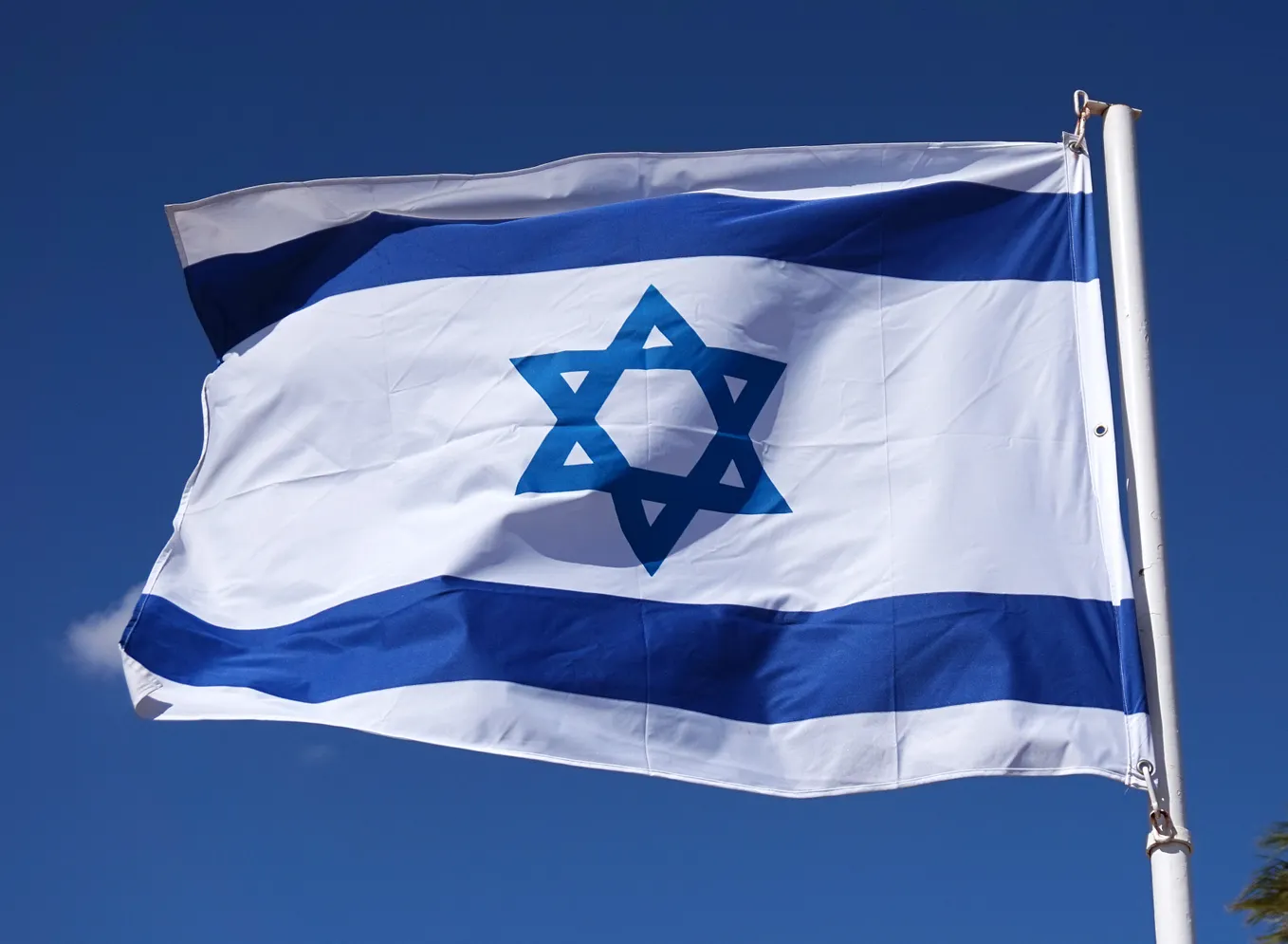
Towards the end of the 1800s questions arose as to how the Jewish people could increasing persecution and anti-Semitism in Europe. The biblical Promised Land led to 1947, the British Empire had a mandate over Palestine. At that time, Palestine included all ot and today’s Occupied Territories, of Gaza, West Bank, etc. The increasing number of lewa half of the 20th century in the wider Middle East region contributed to a lot of instability over immigrating to the “Holy Land” increased tensions in the region. European geopolitics in the of an independent Arab state in the region, including Palestine.

Yet, in contradiction to this (which was allied with Germany). In return, the British government would support the establish During World War I, in 1916, it convinced Arab leaders to revolt against the Ottoman E a declaration (the Balfour Declaration). This announced the British Empire’s also get support of Jewish people, in 1917, Lord Arthur Balfour, then British Foreign Minister establishment of “a Jewish national home in Palestine.”
Get Ratemate’s stories in your inbox
Join Medium for free to get updates from this writer.
supp on least could be influenced by these external powers. As a further complication, there was a deal between Imperial Britain and France to carve Arab provinces of the Ottoman Empire and divide control of the region. The spoils of war were shared. As with the 1885 Berlin Conference where Africa was carved up amongst the European empires, parts of the Middle East were also to be carved up, which would require an borders, support of monarchies, dictators and other leaders that could be regarded as “
puppet countries as members) recommended the partition of Palestine into two states and internationalisation of Jerusalem. The minority Jewish people received the majority of the land After World War II, the newly formed United Nations (which then had less derv support for the Israel state was driven by internal politics as the CATO Institute .
of Palestine into Arab and Jewish states. The two states were to be joined in an economic union In November 1947 the UN General Assembly voted overwhelmingly to recommend pa Jerusalem would be administered by the United Nations. The Arabs would get 43 per cent land, the Jews 57 per cent. The proposed apportionment should be assessed in light of the foll facts: The Jewish portion was better land; by the end of 1947 the per cent age of Palestine perch by Jews was less than 7 per cent; Jewish land purchases accounted for only 10 per cent Moreover, the Jewish state was to include 497,000 Arabs, who would constitute just under S proposed Jewish state; and Jews made up less than one-third of the population of Pale cent of the new state’s population.
The United States not only accepted the UN plan, it aggressively promoted it among the members of the United Nations. US President Harry Truman had been personally moved tragedy of the Jews and by the condition of the refugees. That response and his earlier studies Bible made him open to the argument that emigration to Palestine was the proper remedy f Arabs’ hostility to Jewish settlement in Palestine.” He, like his predecessor, had promised he surviving Jews of Europe. Yet he acknowledged later, in his memoirs, that he was “fully aware take no action without fully consulting the Arabs, and he reneged.