Types of Executors utility class in java
2 min readApr 12, 2026
1. Fixed Thread Pool
-> Executors.newFixedThreadPool(n)
Use case:
- When you have a fixed number of threads
- Good for CPU-bound tasks
ExecutorService executor = Executors.newFixedThreadPool(3);

for (int i = 0; i < 5; i++) {
    int task = i;
    executor.execute(() -> {
        System.out.println("Task " + task + " executed by " + Thread.currentThread().getName());
    });
}

executor.shutdown();
Behavior:
- Max
nthreads - Extra tasks go to queue
- Prevents thread explosion
2. Cached Thread Pool
- > Executors.newCachedThreadPool()
Use cases:
- For short-lived, asynchronous tasks
- When number of tasks is unpredictable
ExecutorService executor = Executors.newCachedThreadPool();Behavior:
- Creates new threads as needed
- Reuses idle threads
- Threads die after 60 sec idle
Risk: Can create too many threads → OOM
🔹 3. Single Thread Executor
→ Executors.newSingleThreadExecutor()
Use case:
- When tasks must run sequentially
- Ensures order of execution
ExecutorService executor = Executors.newSingleThreadExecutor();Behavior:
- Only 1 thread
- Tasks executed one by one
- Safer alternative to manual thread handling
🔹 4. Scheduled Thread Pool
→ Executors.newScheduledThreadPool(n)
Get Ravi Jaisawal’s stories in your inbox
Join Medium for free to get updates from this writer.
Use case:
For delayed or periodic tasks
ScheduledExecutorService scheduler = Executors.newScheduledThreadPool(2);

// Run after 5 seconds
scheduler.schedule(() -> System.out.println("Delayed Task"), 5, TimeUnit.SECONDS);

// Run every 10 seconds
scheduler.scheduleAtFixedRate(() -> System.out.println("Repeating Task"), 0, 10, TimeUnit.SECONDS);Behavior:
- delayed execution
- fixed-rate execution
- fixed-delay execution
🔹 5. Work Stealing Pool (Java 8+)
→ Executors.newWorkStealingPool()
Use case:
- For parallel processing
- Uses ForkJoinPool
ExecutorService executor = Executors.newWorkStealingPool();Behavior:
- Threads “steal” tasks from others
- Efficient for divide-and-conquer algorithms
🔹 6. ForkJoinPool (Advanced)
(Not directly from Executors, but related)
ForkJoinPool pool = new ForkJoinPool();Example:
import java.util.concurrent.RecursiveTask;

class SumTask extends RecursiveTask<Integer> {

    private int[] arr;
    private int start, end;

    private static final int THRESHOLD = 3; // small task size

    public SumTask(int[] arr, int start, int end) {
        this.arr = arr;
        this.start = start;
        this.end = end;
    }

    @Override
    protected Integer compute() {

        // Base condition
        if (end - start <= THRESHOLD) {
            int sum = 0;
            for (int i = start; i < end; i++) {
                sum += arr[i];
            }
            return sum;
        }

        // Divide
        int mid = (start + end) / 2;

        SumTask leftTask = new SumTask(arr, start, mid);
        SumTask rightTask = new SumTask(arr, mid, end);

        // Fork (run asynchronously)
        leftTask.fork();

        // Compute right synchronously
        int rightResult = rightTask.compute();

        // Join left result
        int leftResult = leftTask.join();

        return leftResult + rightResult;
    }
}
Use case:
- Recursive tasks (e.g., merge sort)
- Parallel streams internally use this
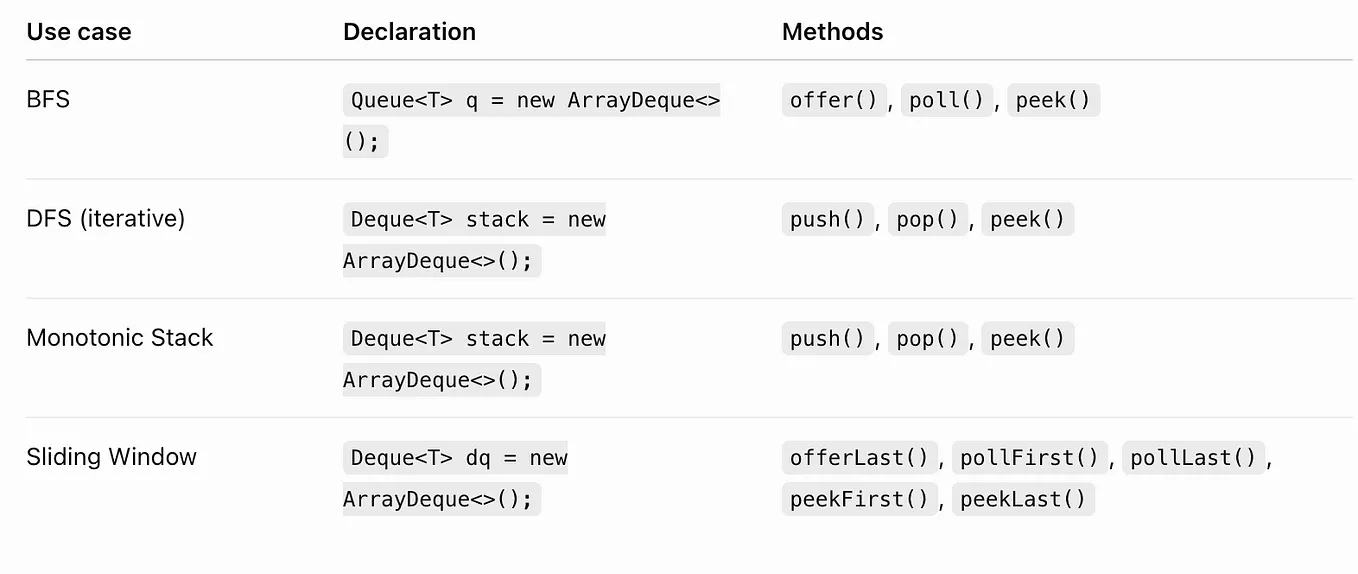
Summary (Very Important)
Press enter or click to view image in full size![]()