Coffee Data Science
Frying Coffee Beans
… in oil used to fry anchovies…

I saw a video about frying coffee beans. I had wanted to try it, but I didn’t want to try it enough to actually get the pot cooking. Luckily, I had just made stuffed anchovies over the weekend and fried them. The oil from frying still looked pretty clean, so impulsively, I fried some coffee.


It took a second to get to temperature; I did a high charge on the oil to make sure I could get close to 200 C.


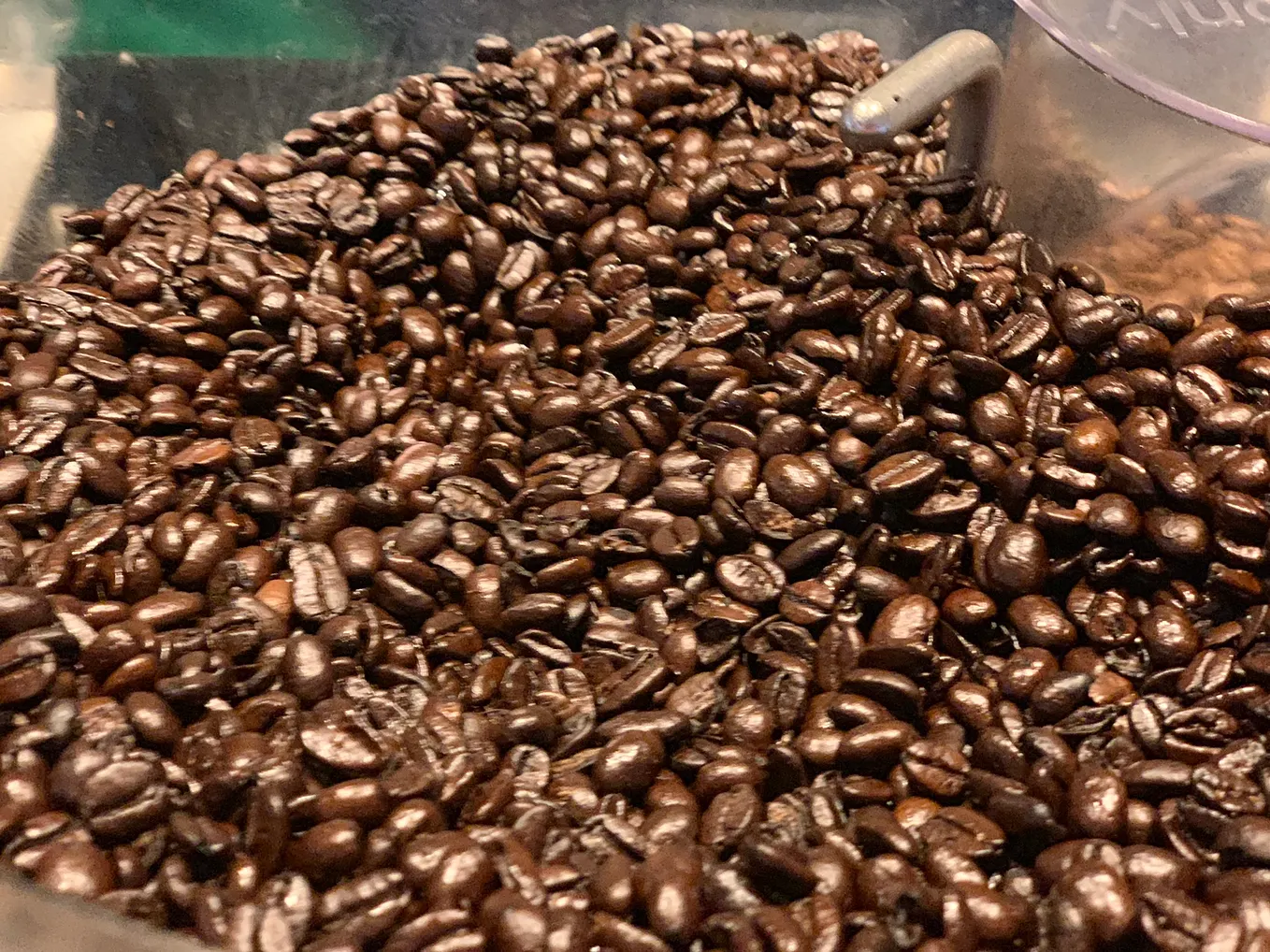
Pretty quickly, the beans were floating and turning brown.


Pulling them out was simple, and I had hoped to have taken them out soon enough.

The beans were very oily.

Post-Roast Metrics
Looking at some metrics, there is not as much weight loss probably because some oil gets absorbed. The fried coffee is also denser for the same reason.


Moisture and color turned out to be pretty close.


Metrics of Performance
I used two sets of metrics for evaluating the differences between techniques: Final Score and Coffee Extraction.
Get Robert McKeon Aloe’s stories in your inbox
Join Medium for free to get updates from this writer.
Final score is the average of a scorecard of 7 metrics (Sharp, Rich, Syrup, Sweet, Sour, Bitter, and Aftertaste). These scores were subjective, of course, but they were calibrated to my tastes and helped me improve my shots. There is some variation in the scores. My aim was to be consistent for each metric, but some times the granularity was difficult.
Total Dissolved Solids (TDS) is measured using a refractometer, and this number combined with the output weight of the shot and the input weight of the coffee is used to determine the percentage of coffee extracted into the cup, called Extraction Yield (EY).
Shots
The shots tasted pretty normal, maybe slightly under-developed. I could taste the frying oil in the aftertaste of the shot, but the shot itself did not have tons of oil. They were close in taste to the baseline shots just for comparison.


A small amount of oil could be seen on top which was more than normal.

I pulled a shot with a friend, and we were both surprised how this fried El Salvador coffee tasted. I think the challenge with frying coffee has more to do with the post-roast drying rather than the quality of the roast. I suspect if some liquid could be used that didn’t absorb into the beans, the post-roast would be easier.
My friend couldn’t taste the fried flour from the anchovy, but I could. I suspect people who fry a lot of their own food could taste the note. It made for a fun day.
If you like, follow me on Twitter, YouTube, and Instagram where I post videos of espresso shots on different machines and espresso related stuff. You can also find me on LinkedIn. You can also follow me on Medium and Subscribe.
Further readings of mine:
My Second Book: Advanced Espresso
My First Book: Engineering Better Espresso