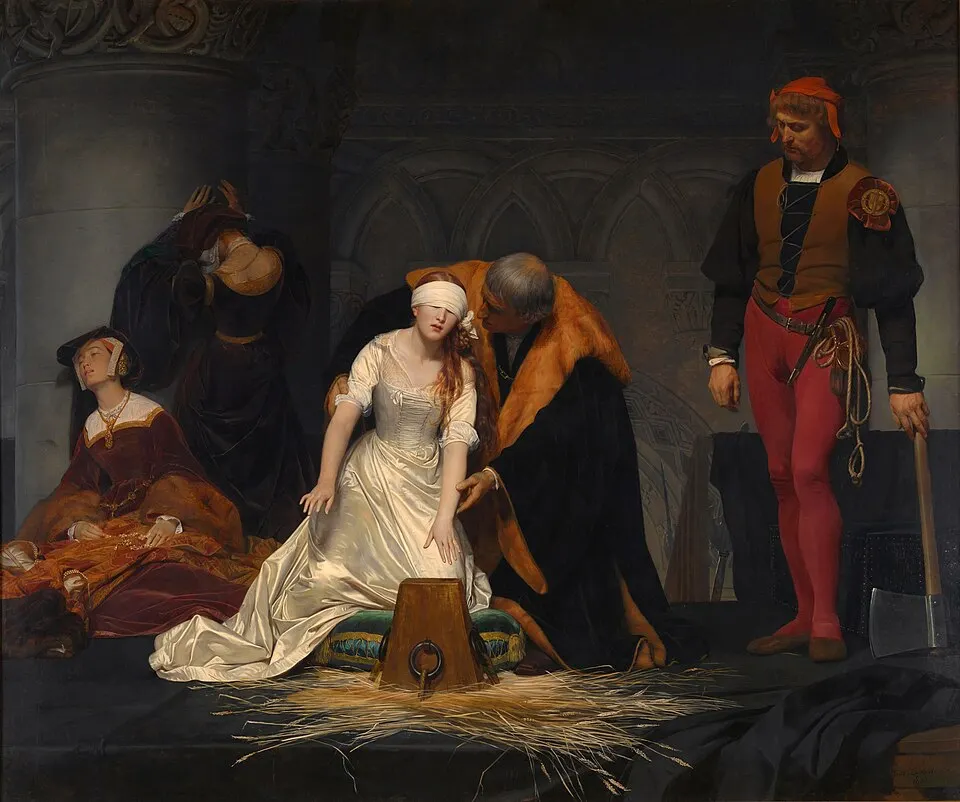
Sartorial Subjugation
vol.2/on the generational silence that harbors the predator while policing the prey
Not rare for a girl to be moral policed on her clothes. It begins the moment she enters her teens — when society decides she’s becoming a woman. Another day of talking about the most common yet disgusting stuff happening to women around the world that society avoids. Second volume of my list, written with one sip of coffee that got cold till I finished this article, and indignation. This time I wrote about common victim blaming, moral policing of women on their clothes, and why women fear men, or rather hate.
21st century is going on, and we yet think a girl’s clothes determine who she is and what should happen to her. Public scrutiny always finds a way to criticize and control a women even through telling her what she to wear and what to not, and say they’re caring about her only. If she’s wearing a mini skirt, she’s asking for it. If the length is till knees, it’s typical. If the skirt goes till ankles, she’s dressed as an aunt. The neckline of her top determines if she should be respected or not. She’s called names and is demeaned only for wearing something she likes. Even her bra becomes public property — wrong if she doesn’t wear one, wrong if it shows through her shirt. In every way, her clothes are the problem, never the eyes that leer at her.
This obsession with women’s clothing is not about culture or protection — it’s about control. Control over how women move, how they exist, how they are perceived. And this control feeds into the fear women carry every single day. A woman steps out of her house and she’s met with thousands of eyes, some filled with judgment, others with intent. She fears not because of her clothes, but because society excuses men’s behavior while blaming her for existing in her own skin. Society asks, ‘Why isn’t she wearing a bra?’ But the better question is: ‘Why is someone even staring at her chest to find out?’ Why do we interrogate the victim instead of the man? Why do we excuse his gaze while blaming her existence?
Get Rumanika’s stories in your inbox
Join Medium for free to get updates from this writer.
This isn’t just theory. It’s lived reality, and I carry my own memory of it. It was when I was seven or eight, on my way to my relatives’ from a place I vaguely remember. But I demonstrably remember the midway train journey in between these two places. Two guys who looked nearly in their late twenties were sitting across from us. All they did was stare at every girl around them on the train, including me. Not casually, not innocently — head-to-toe staring, basically checking me out for hours. Even after I got off, I turned back, and their eyes were still on me. I told my mom cuz I didn’t know about this very well at that time, and hoped that she would take stand for me. But all I got was pure silence.
That’s what we do. We stay quiet and tell the victims to silently suffer through it and forget it later. Silence is what allows men to believe their behavior is acceptable. Silence is what keeps moral policing alive.
Instead, we should confront it and make men realize their behavior is not okay. We should remind them that women are not objects to be scrutinized, not mannequins to be dressed according to society’s taste. Every time we stay quiet, we reinforce the idea that women’s bodies are public property.
What happened to me at seven is what happens to women every day. I’ve seen girls in schools being told to pull their dupattas tighter, as if fabric is the shield against harassment. College students banned from wearing jeans because ‘it distracts boys’. Even in families, daughters are told to change before guests arrive, while sons roam shirtless without question. Every space, from classrooms to workplaces to streets, finds a way to remind women that their bodies are under surveillance.
And society still chooses silence. But silence is complicity. And until we break that silence, women will continue to carry fear that should never have been theirs to bear.