5 Red Flags of an Avoidant and Insecure Partner You Ignore
Identify the five red flags of an avoidant, insecure partner that you may be missing, and understand how to engage them in your relationship so they will change.

Relationships are complicated, and sometimes, grasping your partner's emotions can prove difficult. We can become so caught up in love and companionship, without realizing that there is something more going on. Avoidant and insecure attachment patterns are the problem many people tend to have early on. If not handled properly, these characteristics can silently undermine a relationship.
So in this article, we will look at five indicators that you may have taken for granted that make an avoidant and insecure partner easy to overlook. It is important to know these signs to make decisions about facing up to them, seeking external help, or reconsidering your relationship entirely.
There are 5 red flags of an avoidant insecure partner that you may have overlooked in your relationship.
1. They are emotionally distant
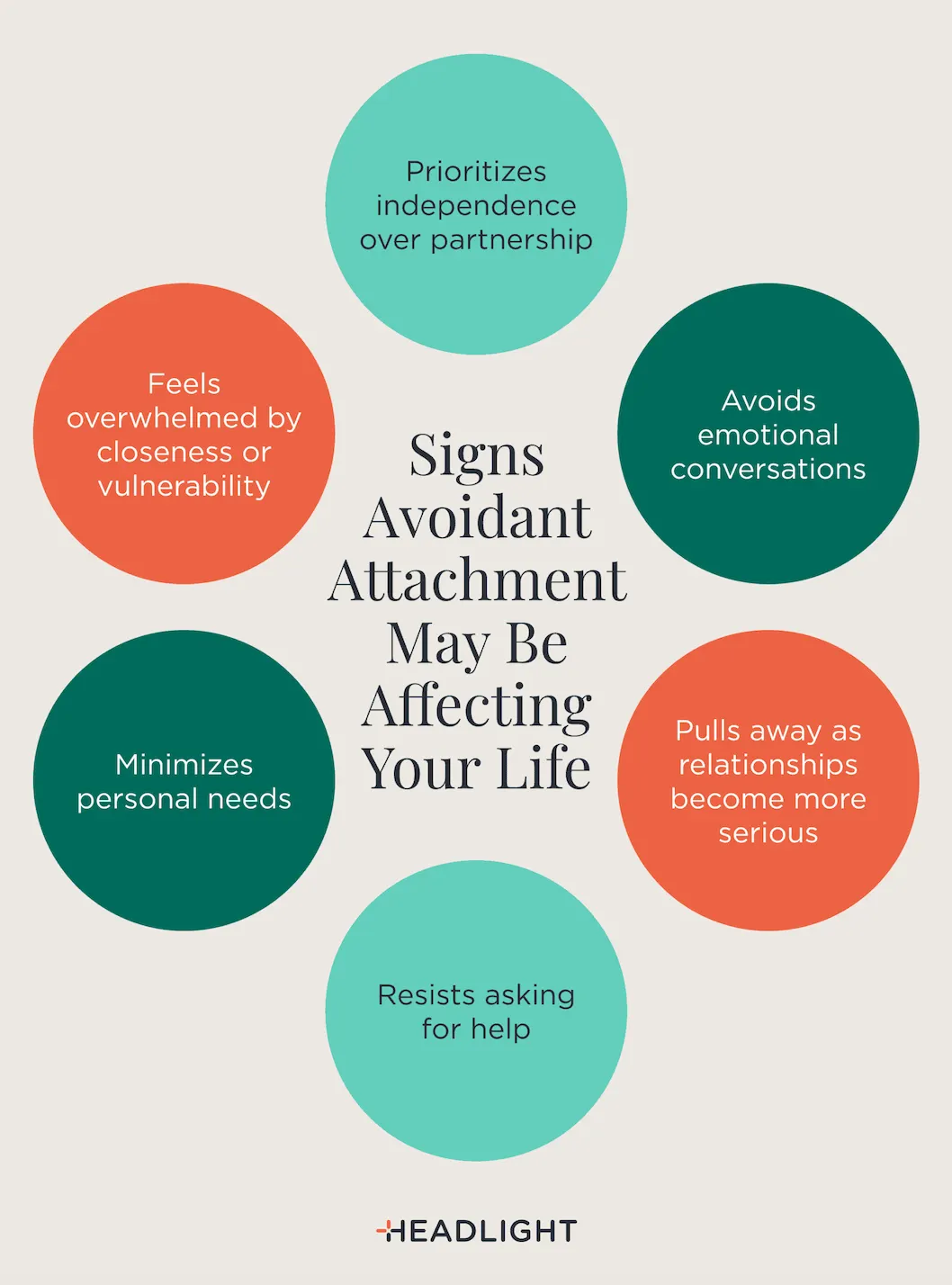
Often, avoidant partners have trouble with intimacy and emotional closeness. They can be distant, withdrawn, or not share their emotions, even in serious situations.
*Why it’s a red flag:**
The consistent emotional distance may be a sign of fear of vulnerability or a need to have control. Some space can be healthy, but when there is disconnection that is, it doesn’t really mean independence, but avoidance.
Rarely sticks to a topic when talking about emotions and/or plans
They do not engage in-depth discussions or avoid emotional subjects.
It is only you who is trying to connect on an emotional level.
How to cope with it:
Be gentle but press them to express what they are feeling, and let them know this is a safe environment. This emotional distance, if it persists, might indicate an inherent incompatibility or a learning curve that requires professional facilitation.
2. They are Unwilling to Make a Commitment
This can cause an avoidant and insecure partner to retreat or become undecided about the relationship as it becomes more serious. They may put off plans, or be unclear about the direction of the relationship.
*Why it’s a red flag:**
When you don’t want to commit, it’s usually because of some insecurity or trauma. This avoidance may cause you frustration, rejection, or insecurity.
- They don’t talk about the future or give it a name.
- Start backing out of plans and exclusivity.
- Do not show interest in or feel obligated to become involved when asked about commitment.
How to deal with it:
Speak openly about your needs and watch their reactions. If they don't engage in the conversation and/or make excuses, it could be a sign they are not ready for dating. Respect boundaries, but your emotional needs matter too.
3. Responds defensively or dismissively when concerns are expressed
If you present any problems to insecure and avoidant partners, they come off like a defense mechanism, trying to minimize your emotions or make you responsible for the problem.
*Why it’s a red flag:**
This creates a pattern that protects their insecurities and stops a healthy way of dealing with conflict. It can cause emotional invalidation, and gradually loss of trust can occur.
Get Sabina Writes’s stories in your inbox
Join Medium for free to get updates from this writer.
They use language to minimise your emotions, such as, “You’re overreacting” or “It’s not that big of a deal.
- When problems arise, they have temper tantrums, retreat, or become unresponsive.
- Do not take responsibility, do not apologize sincerely.
How to deal with it:
Communicate in a non-confrontational manner. Couples therapy may be helpful if one partner is usually defensive, to help develop communication and emotional understanding skills.
4. They seek reassurance, but have a hard time providing it
Partners are insecure and insecurely attached, and they want to be reassured, but they cannot do the same or remain emotionally attuned all the time.
*Why it’s a red flag:**
This up-and-down energy can produce a sense of uncertainty and unease in you. They can want to be validated continually and may not validate others.
Asks lots of questions about whether you like them or if they are “good enough” and ignores or rejects your needs.
Puts up barriers or gets cold when you reach out for reassurance.
You seem to be the only one who offers emotional support.
How to deal with it:
Establish limits regarding the needs of feelings and support each other’s sense of reassurance. When they cannot fulfill your emotional needs consistently, it may be because of more fundamental insecurities.
5. They cope with their feelings by being silent or withdrawn
But avoidant and insecure partners may go to great lengths to avoid the feelings and conflicts in their relationship instead of facing them head-on by talking about them, including things like silence and ghosting.
*Why it’s a red flag:**
This can stop resolution, add to frustration, and can create an emotional disconnect. It can sometimes be an indicator of fearfulness or nervousness about confrontation.
Here are some of the key features to consider:
They “go away” or “go numb” when in conflict.
- Do not hold eye contact, or when uncomfortable, they will shift the topic of discussion.
Walking on eggshells, concerned about how they respond.
How to deal with it:
Accept and encourage healthy communication, and express how their withdrawal affects you. When there’s calm, it is important to determine if the relationship can take care of your emotional needs when it becomes the typical scenario.
Final thoughts
Identifying these warning signs is the initial way of comprehending your own partner’s attachment style and relationship. Some avoidant behaviors are the result of past trauma or insecurity, and this shouldn’t excuse the neglect or avoidance of these behaviors going on.
Here are a few things you can do:
- Be open and honest: Express emotions without blame; inquire about their emotions.
- Set boundaries: Maintain emotional boundaries, to help you stay well protected.
-If both are willing to discuss the issues, offer to go to therapy or counseling.
Know what’s important to you and don’t stay in the relationship if it continually makes you unhappy.
Your relationship should be a burden-free, loving, and growing relationship, not a frustrating and insecure one. With early identification, you can avoid a lot of time and heartache, and discover a relationship where emotional safety and mutual trust flourish.