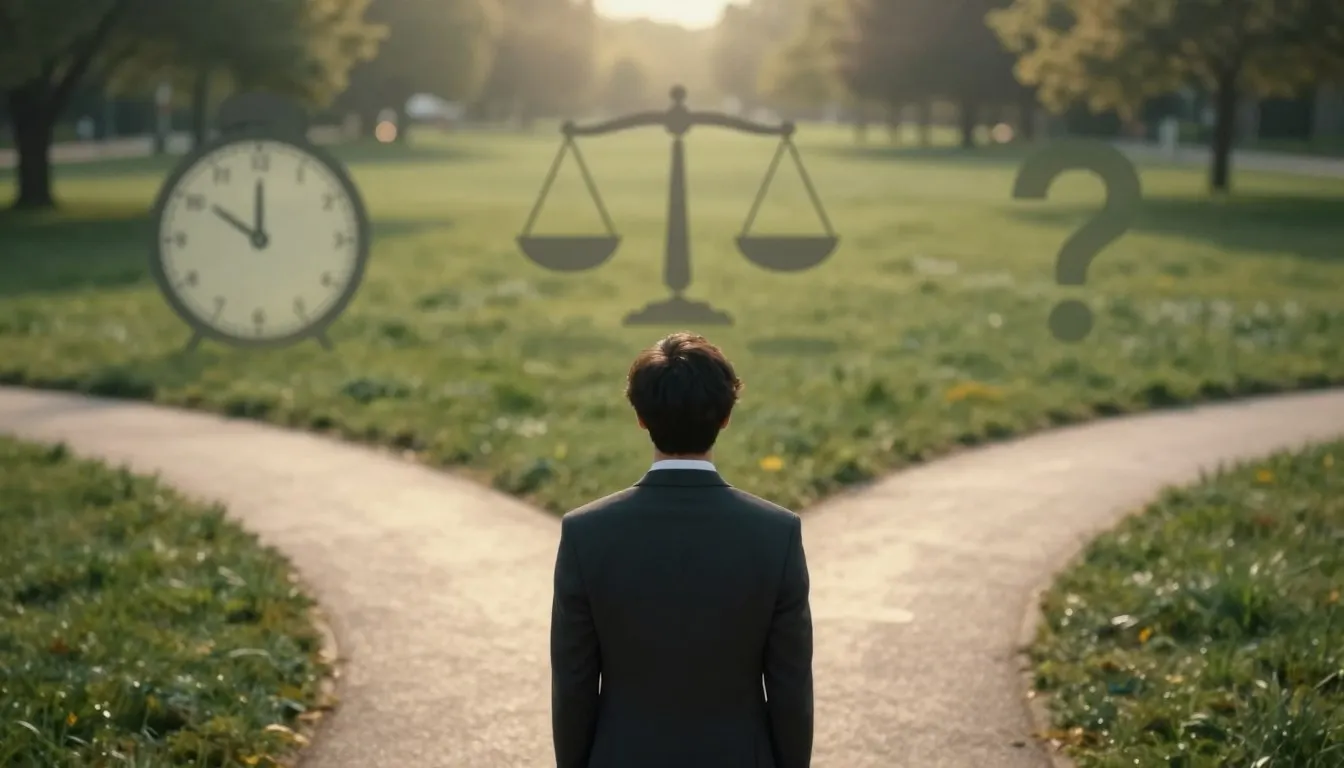
What Happens When We Give Our Thoughts 24 Hours to Settle? A Problem Solving Case Study


Have you ever felt stuck on a major decision after a long, draining workday? We often think pushing through fatigue is the only way to reach an answer. We make ourselves keep working, even when our minds feel clearly exhausted.
What if the best choice is to walk away? This article explores how giving our thoughts 24 hours to settle can improve our problem solving process. Instead of rushing, we can let our brains work in the background.
This quiet time helps us process unfinished emotions and hidden connections. We might miss them during intense brainstorming sessions. By stepping back, we make mental space for clarity to emerge naturally.
Let us see how this simple pause can lead to much better outcomes.
Key Takeaways
- Forcing decisions while exhausted often leads to poor outcomes.
- A 24-hour pause allows the brain to process information subconsciously.
- Quiet periods help uncover connections missed during active work.
- Patience is a vital tool for effective decision-making.
- Stepping away reduces stress and improves overall mental clarity.
The Decision That Felt Impossible at the End of the Workday
Late one Tuesday, our team hit a wall when we saw our path could force an unwanted compromise. We were exhausted, and our decision making process felt like a physical burden. When time is short, a quick answer can seem better than a correct one.
Genius Level Problem Solving Thought Journal
Our real-world problem: choosing between speed and long-term value
We faced a classic dilemma: should we use a fast fix to meet our deadline, or invest time in the long-term health of our project? Speed can seem safer while stakeholders wait for results. Yet we knew poor quality now would likely create more work later.
The pressure, assumptions, and incomplete information shaping our first reaction
Fatigue can make us believe we have fewer solutions than we really do. We relied on old assumptions because we were too tired to question them. We lacked key data, but pressure to decide made us want to ignore those gaps.
Rather than force a choice, we documented our concerns and left for the night. We saw that rushing into a decision making trap would bring regret. By admitting we needed more information, we found better solutions hidden by exhaustion.
What We Recorded Before Letting the Problem Rest
To gain clarity, we first wrote down the chaos in our minds. Rather than letting our thoughts loop, we put them on paper. This simple brain dump helped us share our concerns and prepare for a necessary period of rest.
Genius Level Problem Solving Thought Journal
The facts we knew, the questions we still needed to answer, and the risks involved
We made a brief log that separated certain facts from what remained speculative. Through critical thinking, we found the main parts of our dilemma. We placed our notes in three areas so we would not miss anything:
- Verified Facts: Data points and constraints that were non-negotiable.
- Open Questions: Information gaps that required further investigation.
- Potential Risks: The negative outcomes we feared if we chose the wrong path.
Separating emotional reactions from useful evidence
Frustration and anxiety can easily guide our next move. We made a conscious effort to check our notes so emotional reactions did not seem like objective evidence. This use of logical reasoning helped us separate inner fears from the situation’s actual reality.
After removing the noise, we had a clean slate. This preparation gave us confidence to step away, knowing our concerns were safely recorded. They were ready for a fresh perspective the following day.
How the First 24 Hours Changed Our Problem Solving
Our approach to decision-making shifted once we let our thoughts settle overnight. We realized that pressure to find an instant fix often clouded our judgment. By stepping back, we moved toward a sustainable model of connection before problem-solving, which valued clarity over speed.
The difference between immediate brainstorming and delayed reflection
When we use immediate brainstorming, our brains often follow familiar patterns and safe assumptions. We favor first ideas because they feel comfortable. Yet this reactive state rarely produces the most innovative results.
By contrast, delayed reflection lets the brain process information in the background. Research suggests sleep-related processing helps us review unfinished events and form new associations. Rest filters out urgency and leaves the most relevant data.
Genius Level Problem Solving Thought Journal
Why mental distance helped us notice overlooked connections
Mental distance helps any team. When we are too close to a task, we may miss subtle links between different variables. A full day away let us see the bigger picture with fresh eyes.
Ideas that seemed disconnected during our first session made sense the next morning. This pause offered more than rest; it created the cognitive space needed for better problem solving. Testing Solutions with Critical Thinking the Next Morning
We began by examining our first ideas with objective analysis. The next morning gave us space to use critical thinking without last night’s pressure. We did not rush toward an answer just to escape uncertainty.
Revisiting our original options without defending our first choice
People often favor the first solution that seems to work. We treated our first choice as one possibility among many. We asked whether we favored it only because we found it first.
By deliberately challenging our own biases, we found room for better choices. We reviewed the evidence and removed emotion from our early ideas. This process revealed flaws hidden by our wish for a quick fix.
Comparing solutions against clear criteria and likely consequences
We needed a stronger framework than a simple pros and cons list. We judged each option by total cost, implementation timing, and long-term reversibility. This structured use of logical reasoning helped us spot hidden risks in our preferred path.
Get TH Scrivender’s stories in your inbox
Join Medium for free to get updates from this writer.
Some options cost less at first but created greater risks for future growth. We compared these factors with our core goals instead of trusting gut feelings. Using logical reasoning showed us that the obvious choice was not always sustainable.
This disciplined method made decision-making a reliable tool for success.
Where Creative Problem Solving Produced a Better Option
We found the best path forward between our original ideas. By stepping back, we escaped the binary trap of choosing one option over another. This shift supports creative problem solving and helps us move beyond our first limits.
The unexpected solution that appeared after we stopped forcing an answer
When we stopped forcing a decision, our minds had room to breathe. We saw that our dilemma rested on a false choice between two paths. Suddenly, the pressure to be right faded, and a balanced third option took shape.
This approach came from giving our brains time to process information without immediate stress. We found that clarity often follows a period of intentional rest, especially during complex organizational challenges.
Combining two imperfect ideas into a practical third path
We studied our two initial solutions and noted each one’s strengths. One offered speed, while the other gave long-term stability. Rather than treating them as enemies, we joined their best qualities in one strategy.
This hybrid model met immediate needs while protecting our long-term goals. By blending these solutions, we built a practical, sustainable path. It showed that thoughtful synthesis can produce the best outcome when no perfect answer exists.
Making the Final Decision Without Waiting Forever
Making a final choice requires balance between caution and momentum. We feared one more fact might reveal a hidden flaw, but that fear could cause paralysis. To improve our decision making, we set a clear point for ending research.
The threshold we used to determine that we had enough information
Our analytical skills worked best when we focused on core variables that truly changed the outcome. We stopped seeking complete certainty, which rarely exists in complex business settings. Instead, we asked whether new information would change our strategy or confirm what we suspected.
If it would only confirm our view, we marked the task finished. This stopped endless data collection. We learned that productive review differs from rumination, which repeats thoughts without new insight.
Balancing confidence, urgency, and the cost of further delay
Every choice weighs decision quality against execution speed. We compared the cost of waiting with the possible gain from a slightly better outcome. When delay cost more than further research could help, we chose a path forward.
These criteria kept our decision making sharp and purposeful. We accepted that some uncertainty is unavoidable and moved forward with confidence. We did not wait for a perfect scenario that could never exist.
What We Learned About Troubleshooting and Better Decisions
Learning to troubleshoot our own thought patterns was our biggest breakthrough in professional growth. Stepping back helped us replace reactive habits with a more thoughtful way of working. We saw that strong work depends on a healthy internal process.
The signals that showed our decision process had improved
We noticed clear signs that our decision process had matured during this experience. These signs showed that taking a break supported clarity rather than wasted time.
- Clearer criteria: We stopped relying on gut feelings and started defining what success actually looked like.
- Reduced defensiveness: We were able to view our initial ideas as experiments rather than personal statements.
- Stronger alternatives: By waiting, we generated options that were far more robust than our first impulsive thoughts.
- Explainable choices: We could finally articulate the “why” behind our final decision with confidence and logic.
How the pause strengthened our analytical skills for future problems
The pause did more than help us choose a path; it improved our analytical skills. We learned to watch our thoughts without judging them right away. This practice helps people use creative problem solving in high-pressure settings.
Instead of fixing only the outside problem, we began to troubleshoot the decision-making process itself. We now notice when stress makes our minds overly alert, then use that signal to reset. This habit keeps our analytical skills sharp and helps us face future challenges calmly.
Ultimately, this experience taught us that creative problem solving is not about finding the fastest answer. It means creating space to find the right answer. By changing how we respond to our thoughts, we built a reliable framework for every future decision.
Conclusion
Giving our thoughts a full day to settle changes how we handle complex challenges. By recording concerns and setting clear decision thresholds, we replace frantic reactions with calm, reliable choices. This method helps us troubleshoot difficult situations without mistaking avoidance for progress.
Effective problem solving begins when we step back and review evidence with a fresh perspective. Writing down questions creates mental space to reveal hidden connections. This practice builds strong analytical habits that help us in every professional environment.
Test this 24-hour rule during your next high-stakes project. Notice how your clarity improves when you stop forcing an immediate answer. You might find that the best solutions emerge when you give your mind time to process information fully.
Persistent sleep difficulty requires attention beyond personal strategies. If these issues occur at least three nights weekly for three months, seek a professional evaluation from a healthcare provider. Taking care of your well-being remains the most important step in maintaining your ability to perform at your best.
FAQ
Why do we suggest a 24-hour pause for complex problem solving?
We’ve found that immediate pressure often causes reactive decision making. A 24-hour pause lets our brains recover from a long workday and find less obvious solutions. This quiet time helps the brain process unfinished thoughts and build weaker associations for better long-term outcomes.
How can we use logical reasoning to organize our thoughts before a break?
Before we stop for the day, we create a structured decision log. Logical reasoning helps us separate verified facts from emotional reactions and assumptions. This keeps us focused on the actual problem, not deadline stress, and sharpens our analytical skills when we return.
What is the difference between immediate brainstorming and creative problem solving after a rest?
Immediate brainstorming can generate a high volume of ideas, but it often lacks the depth found after a pause. Creative problem solving thrives on mental distance. We found that the most innovative “third options” often emerge after a night of sleep. Sleep helps the brain reorganize information and reveal connections we first overlooked.
How do we apply critical thinking to evaluate our options the next morning?
When we revisit the problem, critical thinking helps us challenge our initial preferences. We weigh each solution using criteria such as cost, reversibility, and long-term value. This objective comparison bases our final path on evidence, not morning-after momentum.
When do we know we have enough information to stop analyzing and start acting?
We set an information threshold to balance confidence with urgency. Our analytical skills show when more research will add no value and cause “analysis paralysis.” By recognizing the cost of delay, we can choose firmly once enough data addresses the biggest risks.
Do high-performing teams at companies like Google or Amazon use similar methods?
Absolutely, leaders at Google often use “design sprints” with quiet reflection time. Amazon uses a “two-way door” framework to separate reversible and irreversible decisions. Both brands recognize that decision making works best when teams have space to use critical thinking without constant urgency