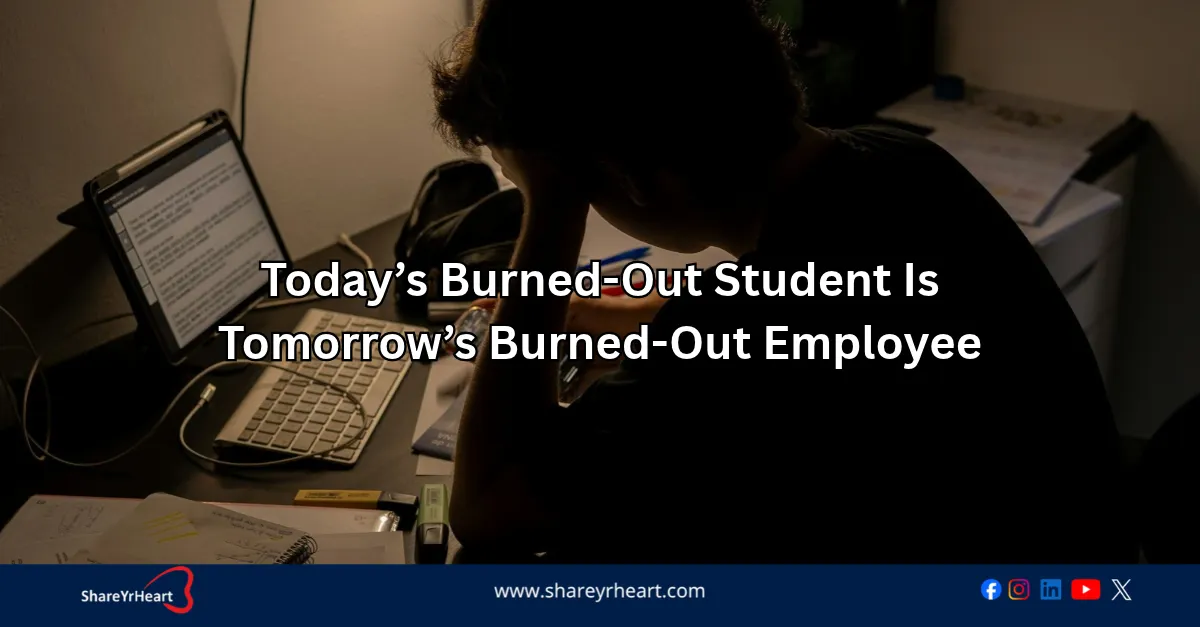
Why “I’m Fine” Is the Most Common Lie at Work


It’s Monday morning. Someone leans over and asks, “How are you?”
“Good, busy,” you say.
They nod. You nod. Both of you go back to your screens. Nobody lied on purpose, and nobody was really asked or answered anything.
Most of the time, that’s fine. It’s a social handshake. But if something heavy is going on in your life, that handshake can quietly become a habit of hiding. A week passes, then a month, and the only person who knows how you’re really doing is you.
I’ve been thinking a lot about why honest conversations are so hard, and what actually makes them easier. Here’s what I keep coming back to.
Why we stay quiet
People rarely hide how they feel because they don’t care about their wellbeing. They do it because of small, very practical fears:
- “It’ll make me look less capable.”
- “Other people have it worse.”
- “I don’t want to be a burden.”
- “I wouldn’t even know where to start.”
None of these fears are silly. Most workplaces reward people who look calm and in control, and many of us learned early on that being “fine” is the safe choice.
The catch is that carrying things silently doesn’t make them lighter. It usually makes them heavier, because now you’re carrying the weight and the effort of hiding it.
1. Being heard matters more than being fixed
When someone tells us they are struggling, our first instinct is to solve it. We offer tips, articles, a podcast we think they’d like.
But most of the time, people need to feel understood before they are ready for any advice. A simple “that sounds really hard” does more than a five-step plan.
If someone trusts you with something real, try this: listen first. Ask if they want ideas or just want to talk. You’ll be surprised how often the answer is the second one.
2. Ask a better question
“How are you?” almost always gets an automatic answer. Try something more specific:
- “What’s been taking up the most space in your head this week?”
- “What’s been harder than you expected lately?”
- “What would make this week feel lighter?”
Specific questions give people a doorway. They don’t have to announce their whole inner life. They just have to answer one small question honestly.
3. Go first, in small ways
If you lead a team, or just have some influence in one, you can make honesty feel safer by showing it yourself.
Get ShareYrHeart’s stories in your inbox
Join Medium for free to get updates from this writer.
You don’t need a dramatic confession. Something like “I’m feeling stretched this week, so I’m blocking out an hour tomorrow to reset” is enough. It tells everyone around you that being human is allowed here.
4. Find a space outside your immediate circle
This one surprised me the most.
Sometimes the people closest to us are the hardest to open up to. We worry about how they’ll react, or whether it will change how they see us. Family worries about us. Coworkers have opinions. Friends are busy.
A space with people who don’t know your job title, your family, or your history can feel strangely freeing. You can say the thing plainly, and then watch someone you’ve never met reply, “Me too.” That moment can shift something that months of silent coping couldn’t.
5. Know when peer support isn’t enough
Talking to peers is powerful, but it isn’t a replacement for therapy or medical care. If you’re dealing with persistent low mood, ongoing anxiety, burnout that won’t lift, or thoughts of harming yourself, please reach out to a qualified professional or a local helpline. Peer support and professional help work best together, not in place of each other.
Small habits that keep you honest with yourself
You don’t need a big overhaul. A few tiny habits go a long way:
- Write one sentence each evening about how the day actually felt, not how it went.
- Notice when “I’m fine” comes out on autopilot, and ask yourself if it’s true.
- Tell one trusted person something real each week, even if it’s small.
Honesty builds in small doses. So does relief.
Where the forum comes in
This is the reason we built the mental health forum at ShareYrHeart.
It’s an online community where you can post what’s on your mind and get replies from people who understand. You might share a rough week, a worry you can’t shake, or a small win you were nervous to celebrate. You can start a conversation, reply to someone else’s, or just read along quietly for as long as you like.
Nobody expects you to find the perfect words. Nobody expects you to be okay.
If you’ve been carrying more than you let on, or you know someone who has, you’re welcome there.
Join the ShareYrHeart mental health forum
And if this piece spoke to you, send it to someone who might need the reminder that they don’t have to carry it alone.