The Key Anode Material for Lithium-Ion Batteries : Graphite

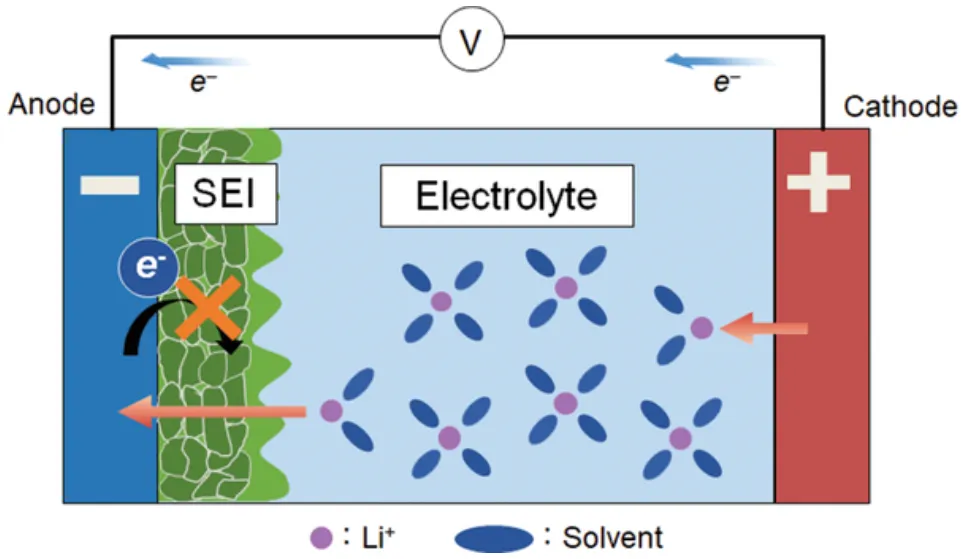
When it comes to Li-ion cells, among several available Insertion materials, Carbon is the most common choice for cell manufacturers.
Main reason for employing carbons rather than metallic lithium is
· Proven Stability
· Ease of Production process compared to metallic lithium
Carbon comes in various forms:
· Soft Carbons
· Hard Carbons
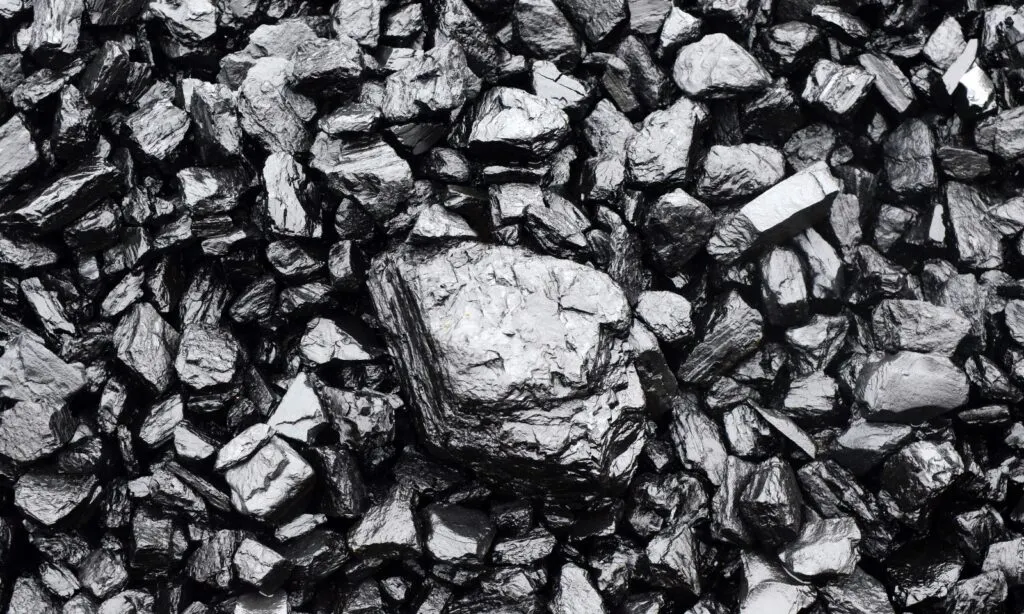
· Graphite
Graphite is the anode material choice for many reasons specifically because of its
· Thermal Stability of the Material
· Minimal expansion and contraction during charge and discharge process
· Low Cost
Cell Manufacturers can use either natural Graphite or Synthetic Graphite. In many instances blends will be used to get the benefits of both
· Natural graphite provides higher capacity and lower costs
· Synthetic Graphite provides longevity and fast charging capability
Graphite is crystalline structure of hexagonal packed carbons in graphene layers held together by weak Van Der Waal’s Forces.

In the interstitial regions between Graphite layers, lithium can be accommodated to a maximum of one lithium atom per every six carbon atoms to form LiC6 , leading to a theoretical capacity of 372 mAh/g
The structure of the carbon material has a high influence on Electrochemical performance mainly on Capacity and Rate Capability.
Get Srinidhi’s stories in your inbox
Join Medium for free to get updates from this writer.
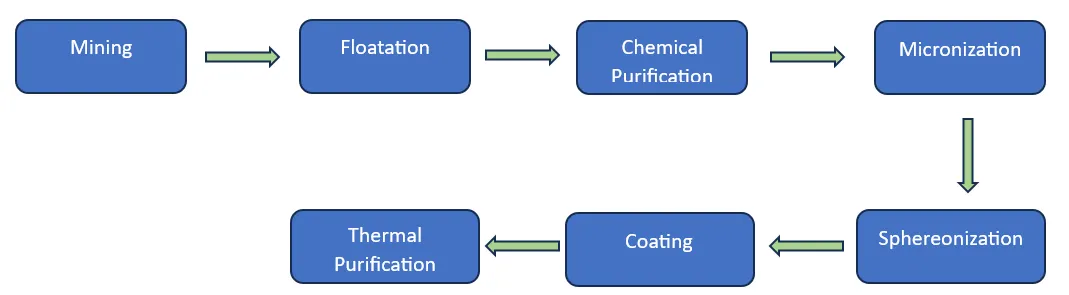
The Macroscopic structure / shapes are: Flakes, Spheres, Fibers / Whiskers. All Influenced by the production process and the source of the raw materials.

· Orientation of the graphite particles affects the reversible capacity
· Less oriented particles have lower reversible capacity as a result of slower lithium insertion kinetics.
· The redox process is influenced by particle size, including specific surface, surface chemistry, morphology, crystallinity, orientation of the crystals.
· Stacking disorder of the graphene layer is significant for the insertion performance
· Layer can be still parallel but shifted or rotated causing turbostatic disorder graphite
With Turbostraticallity disorder the theoretical capacity is reduced as
Theoretical Capacity = 372 (1 — T) mAh/g
where T = fraction of misaligned layers
Future Improvements:
Efforts are being made to improve and replace graphite Anodes owing to their
* Weight
* Flat Open Circuit Voltage
* Inability to Accommodate High Voltage Cathode
* Long term Stability as the Battery Ages
Automakers have already adopted to Silicon enhanced graphite (<10% Silicon ). They have also invested in developing new materials such as Silicon-carbon, Silicon-Oxides, Graphenes, Silicon metal, nano composite silicon material, lithium metal
The time it takes to adapt even a a minute change to battery chemistry means that more significant changes such as replacing the graphite anode is a 6–10 commercialization process from prototype phase of development.
References :
[1] Batteries for Electric Vehicles: Materials and Electrochemistry by Berg. Helena
[2] https://www.sfa-oxford.com/market-news-and-insights