How is AI changing Credit Risk Analysis?

AI is changing credit risk analysis in a few concrete ways, and it goes beyond simply speeding up the existing process.

Traditional credit assessment already considers factors such as bureau data, income, existing obligations, and repayment history. AI can widen that view by analyzing transaction patterns, cash flow behaviour, income trends, and repayment patterns at scale. The opportunity is not simply to add more data, but to understand how these signals relate to one another.
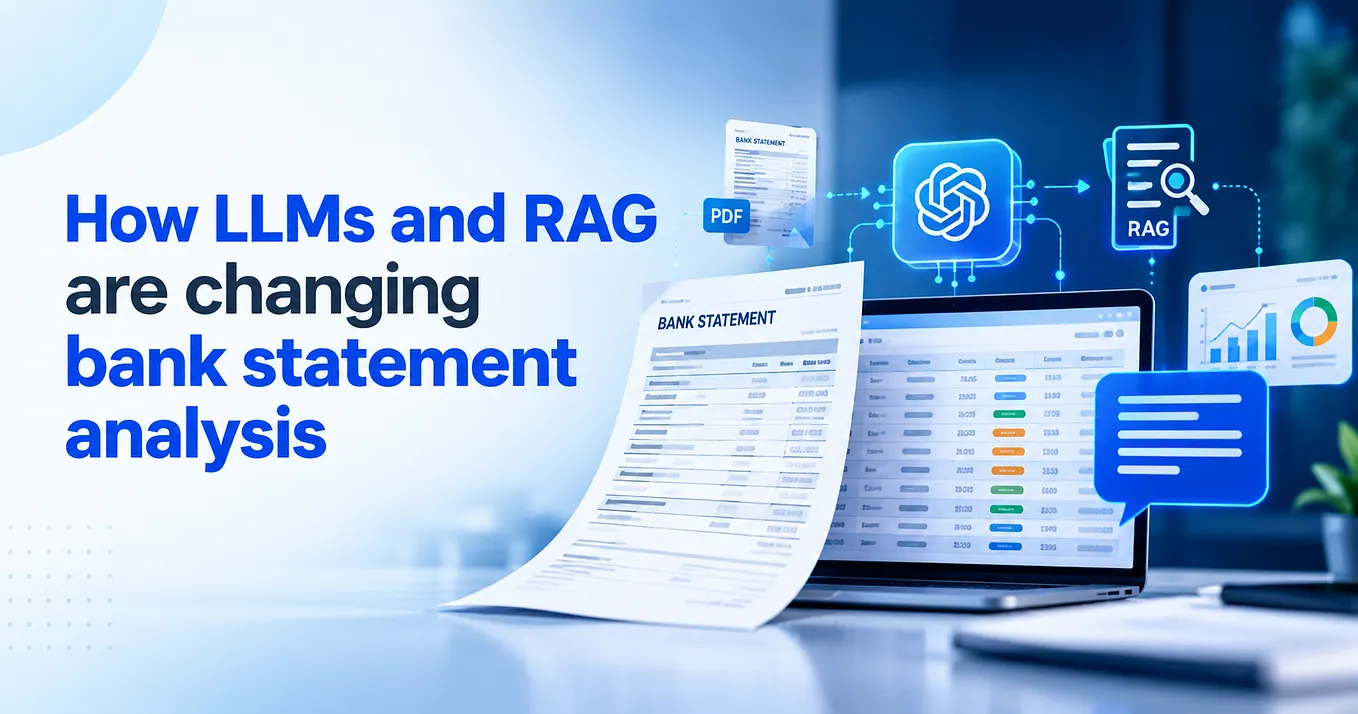
A significant amount of risk information resides in documents rather than structured fields. Bank statements, financial statements, KYC records, income proofs, and other borrower documents can contain information that matters to the credit decision. AI-powered document understanding can extract and interpret this information, helping teams identify inconsistencies such as declared income that does not align with the financial activity visible in supporting documents.
AI can also connect information across the borrower file instead of looking at every document in isolation. A bank statement may look perfectly normal on its own. So might an income proof or financial statement. The risk signal may appear only when information across those documents does not align.
Get Swathi Rajagopal’s stories in your inbox
Join Medium for free to get updates from this writer.
The same applies to anomalies and potential fraud indicators. AI can help flag unusual transaction behaviour, unexpected pre-application changes, duplicate information, document inconsistencies, or patterns that may warrant further investigation. It does not mean every anomaly is fraud. It means credit teams know where to look more closely.
Risk assessment can become more continuous too. Where lenders have appropriate ongoing data and monitoring in place, AI can help identify changes in borrower behaviour or financial patterns after origination instead of treating risk as a one-time snapshot.
What does not change is the need for human judgment. AI does not remove the need for credit professionals, especially in borderline cases, unusual circumstances, or decisions with regulatory, policy, and fairness implications. What it can change is how much preparatory work happens before a human needs to make that judgment call.
Extraction, validation, cross-checking, and anomaly detection can help credit teams reach the relevant information faster. The analyst can then spend more time understanding what those signals actually mean.
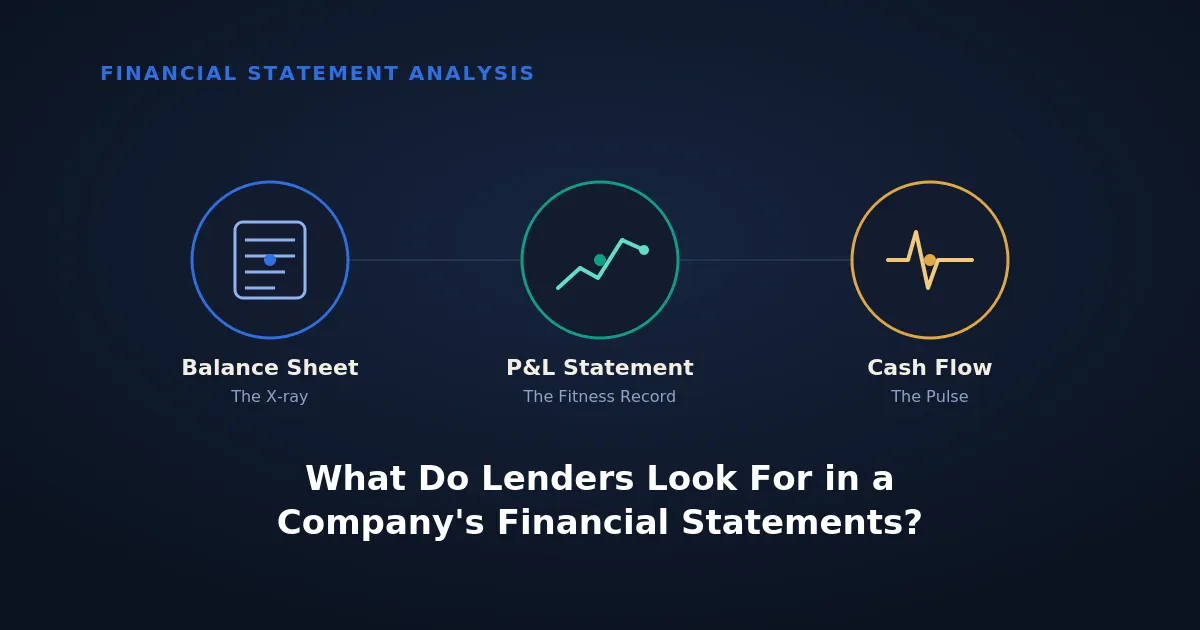
This is also where AI-powered document intelligence becomes particularly relevant to credit risk. Platforms such as DocuGenie.AI™, through capabilities including Bank Statement Analysis and Financial Statement Analysis, can turn lending documents into structured information and surface relevant signals for credit teams to review.
The bigger shift, therefore, is not simply from manual analysis to AI. It is from reviewing individual pieces of borrower information to building a more connected understanding of risk. And that may be where AI has its greatest impact: giving human judgment better context before a credit decision is made.