Texas Parole: Key Rules For Success


Guide for People on Parole in Texas
This is general information based on Texas law and Texas Department of Criminal Justice (TDCJ) Parole Division rules. It is not legal advice. Your specific conditions are listed on your release certificate (the contract you signed before release). Always read that document carefully, keep a copy, and ask your parole officer (PO) about anything unclear. Conditions can differ based on your offense, risk level, and any special conditions imposed by the Texas Board of Pardons and Paroles.
What Parole Is in Texas
Parole is a discretionary early release from prison granted by the Texas Board of Pardons and Paroles. You serve the rest of your sentence in the community under supervision by the TDCJ Parole Division. It is a privilege, not a right.
- Parole vs. Mandatory Supervision: Mandatory supervision is more automatic for certain eligible cases once calendar time plus good-conduct time equals the sentence length (subject to Board findings). Both are supervised the same way by the Parole Division.
- Parole vs. Probation (Community Supervision): Probation is ordered by a court and supervised by a county Community Supervision and Corrections Department. Parole is after prison and supervised statewide by TDCJ.
You remain in the legal custody of the state while on parole. Successful completion means you finish your sentence without returning to prison.
Standard Rules of Supervision
From official TDCJ guidance, typical rules include:
- Report to your supervising parole officer as instructed.
- Obey all municipal, county, state, and federal laws.
- Get written permission from your PO before changing your residence.
- Get written permission before leaving the State of Texas.
- Do not own, possess, sell, or control any firearm, prohibited weapon, or illegal weapon. Do not lawfully carry any weapon, and do not use or threaten to use any object to cause bodily injury.
- Avoid persons or places of disreputable or harmful character.
- Do not act as an informer or special agent for any law enforcement agency without specific written approval from the Parole Division.
- Abide by all special conditions imposed by a parole panel (these appear on your certificate or are added later in writing).
Additional common expectations (often imposed or required by statute/practice):
- Maintain approved housing and gainful employment (or actively seek it).
- Pay the monthly supervision fee (typically $10) plus administrative fee (typically $8), plus any restitution or other ordered payments.
- Submit to drug and alcohol testing when directed.
- Participate in required programs, counseling, treatment, education, or community service.
- Special conditions for certain cases (sex offenses, domestic violence, gang affiliation, substance abuse, etc.) may include GPS monitoring, child safety zones, no-contact orders, treatment programs, polygraphs, computer/internet restrictions, or residency limits.
Your PO will review everything with you at the initial office visit. Reporting frequency depends on your supervision level (high, moderate, low, etc.) and can change.
Reporting, Contacts, and Daily Life
- Report promptly after release (you typically receive gate money of $50 plus a bus ticket; another $50 may be available upon reporting).
- Expect office visits, home contacts, and collateral contacts (with employers, family, treatment providers, etc.). Contact standards vary by risk level.
- Tell your PO in advance and in writing about address changes, job changes, travel, or other issues. Do not assume verbal permission is enough — get it documented.
- Keep your contact information current. Missing reports or failing to update your PO is a common problem that can escalate quickly.
- Employment and stable housing are heavily emphasized. Programs and resources are often available through your PO or local reentry services.
Common Violations
Violations fall into two main categories:
Technical (administrative) violations — no new criminal charge:
- Missing reports or appointments
- Positive drug/alcohol tests
- Unauthorized travel or residence change
- Unemployment or failure to seek work
- Associating with prohibited people or places
- Failing to complete required programs or pay fees
- Curfew or electronic monitoring violations
New law violations:
- Arrest, charge, or conviction for any new offense (misdemeanor or felony)
Absconding (deliberately avoiding supervision) is treated seriously and usually leads to a warrant.
Get Dr. E.R. Báez’s stories in your inbox
Join Medium for free to get updates from this writer.
Even technical violations can result in sanctions or revocation. Texas does not treat them as “minor” automatically.
What Happens If You Are Accused of a Violation
- Your PO investigates and may file a violation report.
- A “blue warrant” (administrative arrest warrant issued by the Parole Division) may be issued. You are typically held without bond.
- Process usually includes:
- Possible preliminary hearing (to determine probable cause; not always required for pure technical violations or if there is a new conviction).
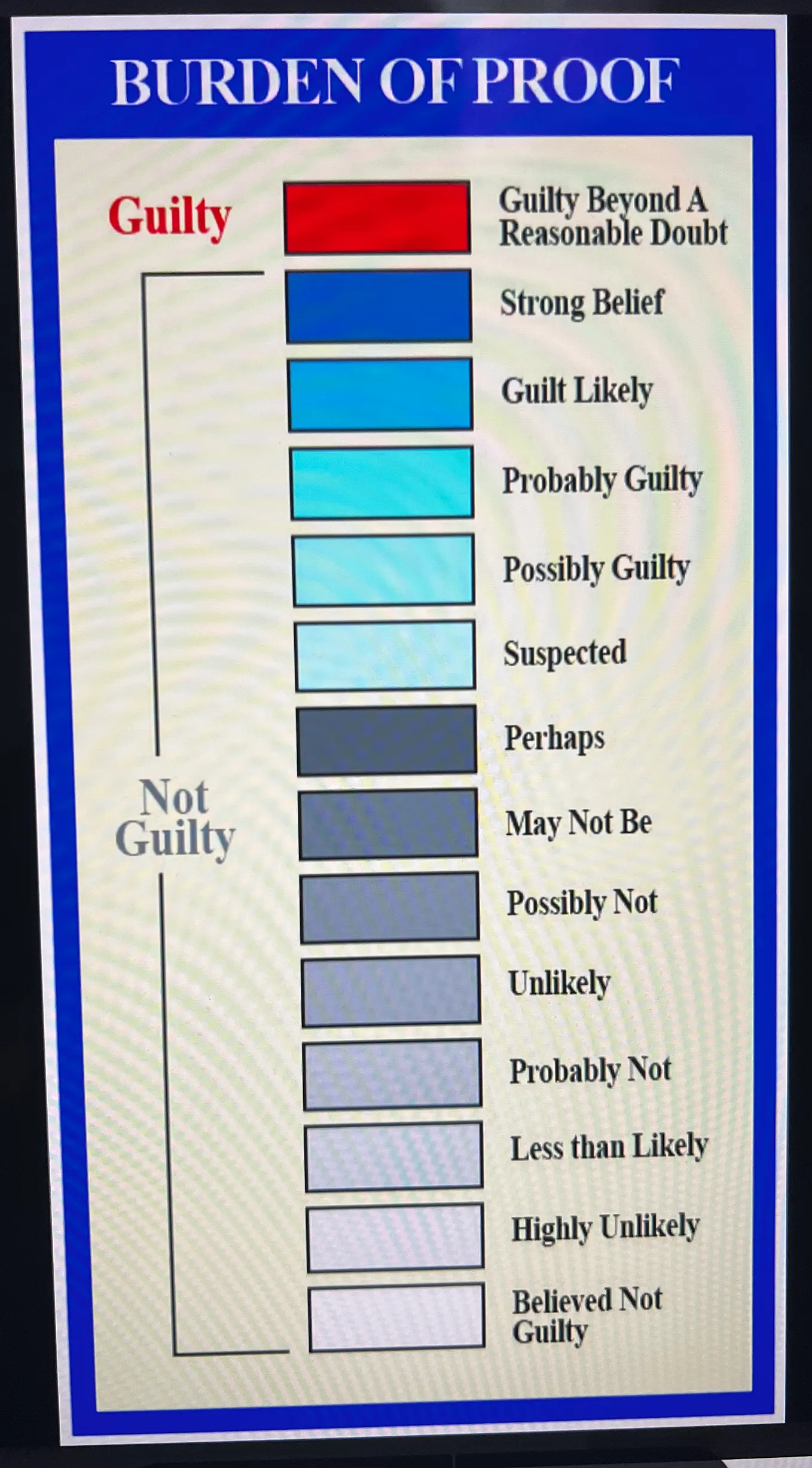
- Revocation hearing (standard is preponderance of the evidence — “more likely than not” — not beyond a reasonable doubt).
Possible outcomes decided by a Board panel:
- Continue on supervision (sometimes with added conditions)
- Intermediate Sanction Facility (ISF) — short-term lockup with programming
- Substance Abuse Felony Punishment Facility (SAFPF) or other treatment
- Full revocation — return to prison to finish the sentence
You have rights to notice of the allegations and a hearing in most cases. Representation by an attorney is strongly advisable for any revocation proceeding. Timelines are relatively short.
Practical Tips for Success
- Know your conditions cold. Keep a copy of your release certificate and any later notices. Review them regularly.
- Communicate early and often. Problems (job loss, housing issues, health, family emergencies, substance use) are better handled proactively than after a violation.
- Stay employed or in approved programs. Document your efforts.
- Maintain a stable, approved residence. Avoid people and places that create risk.
- Stay substance-free if that is required (or seek treatment immediately if you struggle).
- Keep records of reports, payments, program attendance, and any written permissions.
- Build positive support (family, faith community, mentors, employers). Avoid old associations that can get you in trouble.
- Ask about resources: reentry programs, employment assistance, treatment, education (including GED or vocational if required under the sixth-grade skill level rule).
- Early discharge from supervision is possible in some cases under Texas Government Code § 508.155 after serving half the supervision period with good compliance (eligibility depends on the offense).
Key Resources
- TDCJ Parole Division — Official policies, FAQs, and district office information: tdcj.texas.gov
- Parole status/information lines: (512) 406–5202 (after Board vote) or (844) 512–0461 (before vote)
- Parole Division Ombudsman: (512) 406–5795 or ombudsman@tdcj.texas.gov
- Your local district parole office (assigned at release)
- Texas Board of Pardons and Paroles: tdcj.texas.gov/bpp
When to Get Legal Help
Contact an experienced Texas criminal defense attorney promptly if:
- You receive a blue warrant or notice of a violation hearing
- You are accused of a new offense
- You need advice on modifying conditions, early discharge, or interstate transfer
- You have questions about your specific certificate or special conditions
In the San Antonio / Bexar County area, the Law Office of Dr. E.R. Báez, P.C. handles parole, post-conviction, and related criminal matters. Office phone: (210) 901–5236 |
Successful parole is possible with consistent compliance, open communication, and use of available support. Treat the conditions seriously — many people complete supervision successfully when they stay focused on the basics: report, work, stay housed, stay clean, and get permission before making changes.