Member-only story
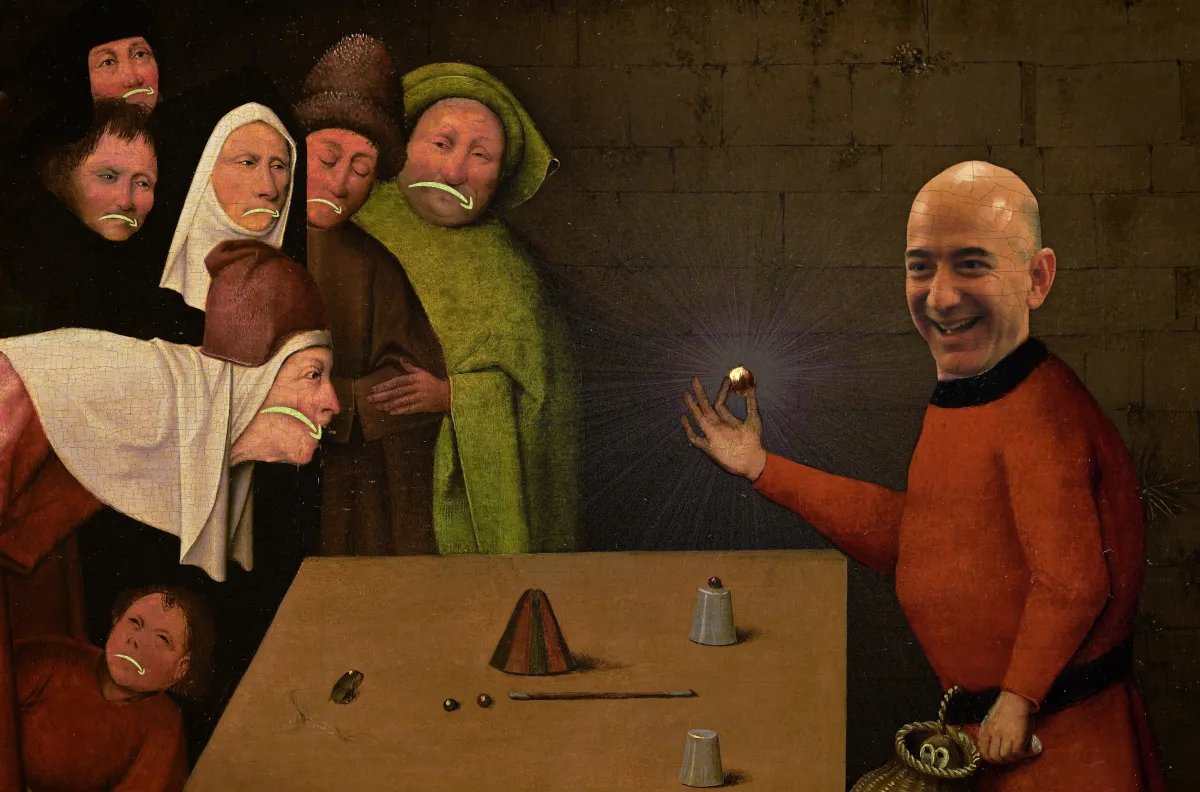
The Scam Economy

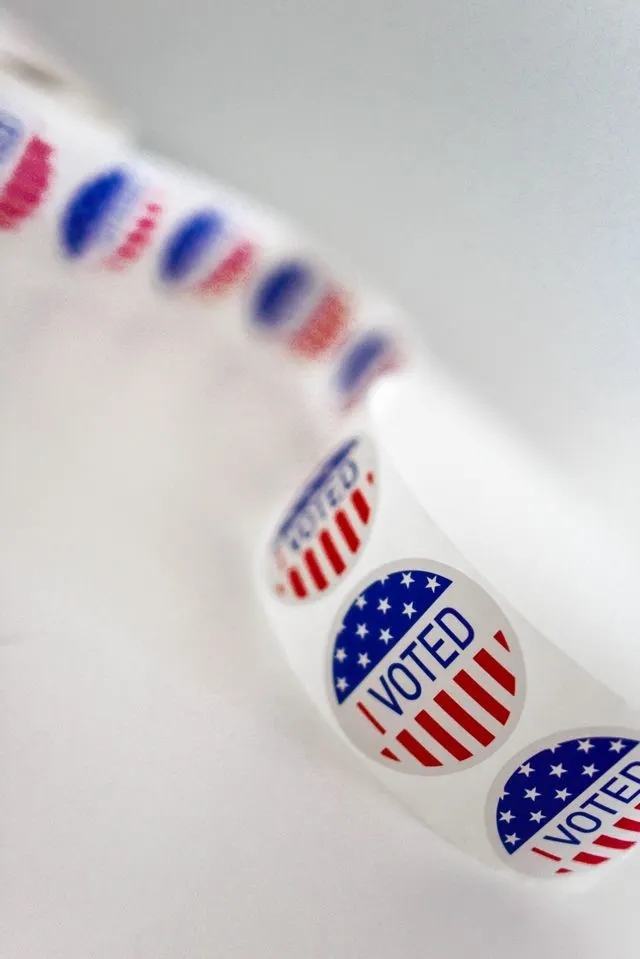
Only a few hours are left before the unstoppable assault of texts, emails, snail mail, even phone calls from innumerable political actors and groups begging for money that mostly goes into their pockets rather than to the candidate or cause they purportedly support finally abates. In the 2020 election, Trump scammed over $100 million from unsuspecting donors using prechecked boxes for recurring donations. The media loves election years because they can charge exorbitant rates for ad space and that encourages creating horse race coverage rather than policy discussions. Turning the democratic process into a Wild West of scams seems a unique feature of late-stage American capitalism, largely enabled by the Roberts Supreme Court. In other corrupt countries, they try to bribe voters for their ballot; here we just rip our voters off. But it is indicative of the scam economy that we now live in.
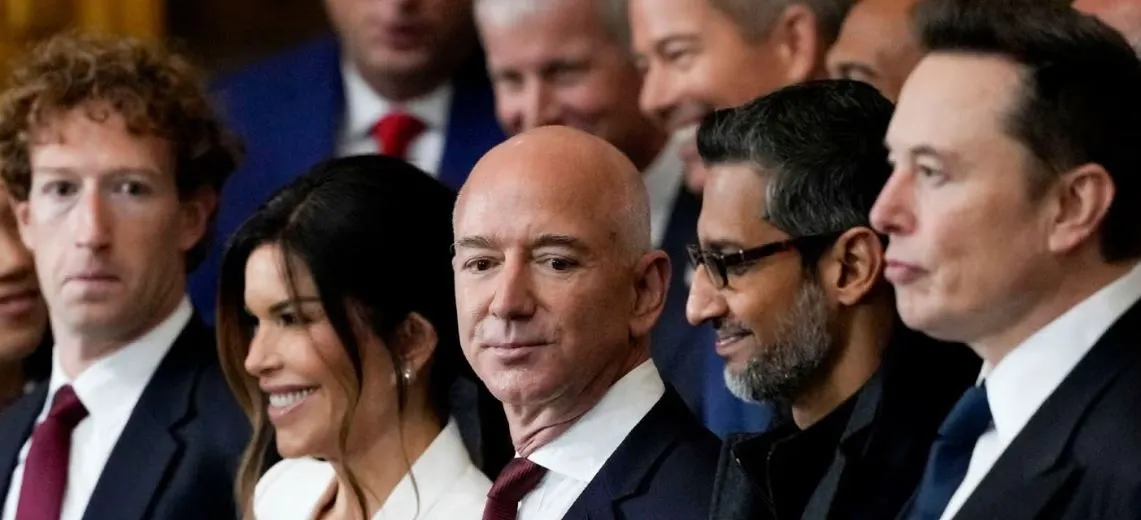
Of course, the biggest election scam is the fact that many of these candidates have been bought and paid for by the billionaires already. The top 20 political donors this year will have given over $2 billion of the approximately $11 billion spent on these elections. But the scams don’t stop when the election is over. Every day, I’m almost guaranteed to get some sort of phishing email or phone call warning me about some dire emergency with the IRS, Social Security, my bank, or my credit card that can only be resolved by giving them my personal information. If I’m lucky, the scam will be presented as a windfall for me, like a big insurance settlement or a refund I’m “entitled” to.