How Smart Engineering Solutions are Changing Home Care for Good


Home care, like all the other healthcare facilities, is going through a shift. With the help of smart technology, caring for people at home, especially seniors or those dealing with health conditions, is becoming easier, safer, and more efficient. But honestly, the idea of high-tech gadgets replacing traditional care might seem a little intimidating. Does it mean less human interaction? Are these solutions really reliable? And, most importantly, do they actually ‘improve’ people’s lives?
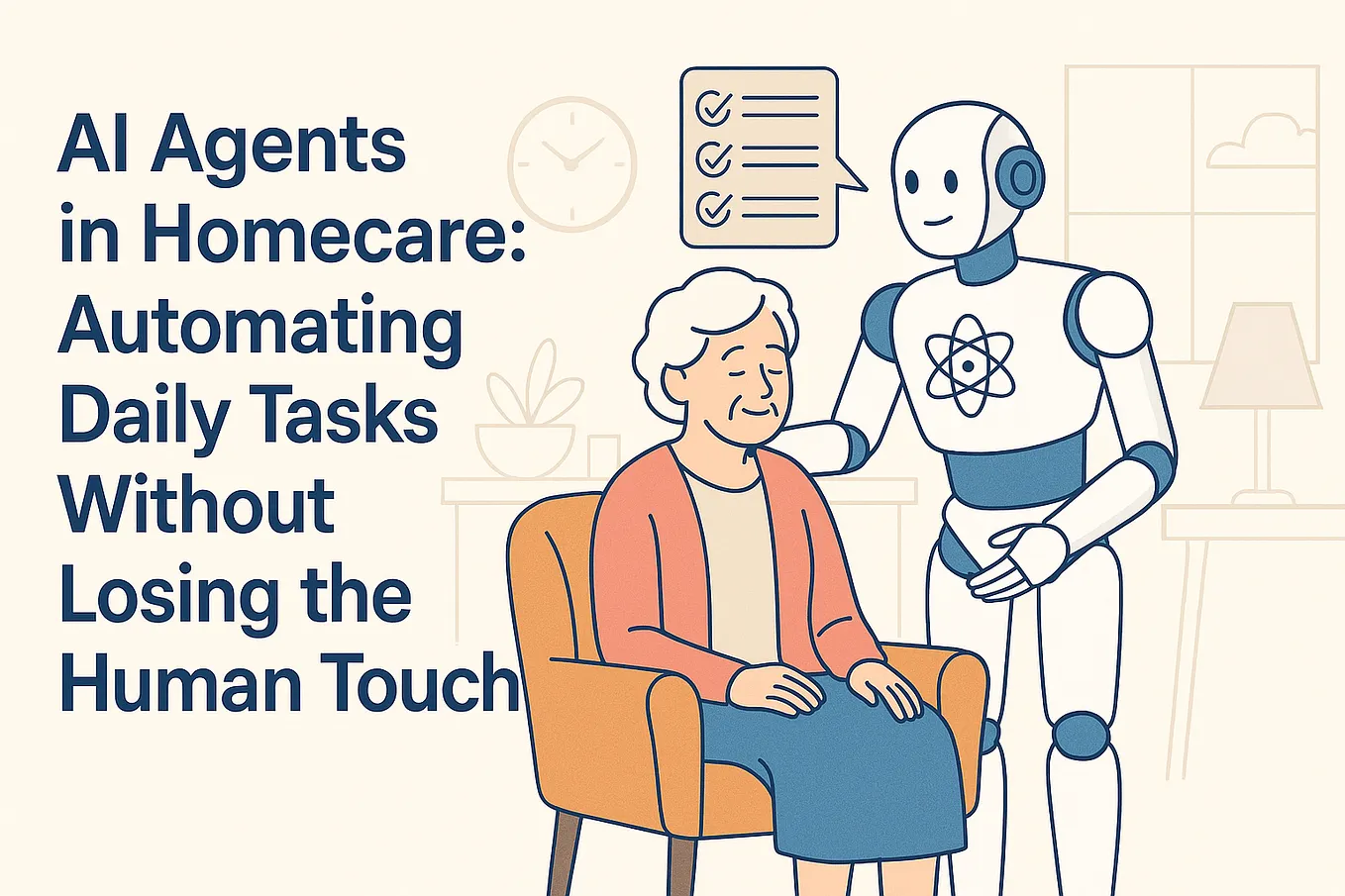
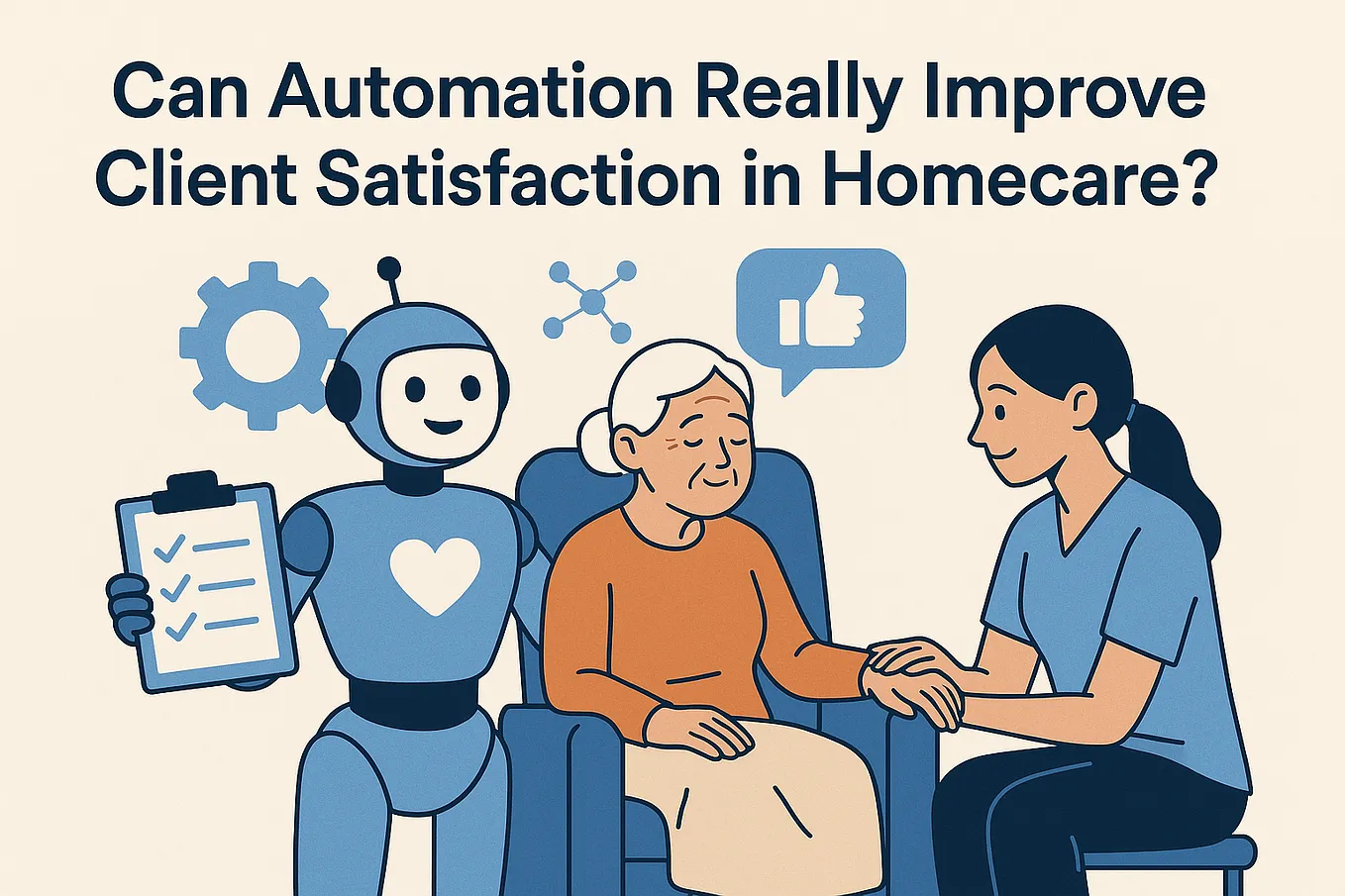
The short answer? Yes, but when used the right way. Smart engineering isn’t about replacing human care but making it better. From AI-assisted health tracking to assistive home robots for home chores, the technology is engineered to cover loopholes, not dominate everything, and take over people.
Let’s find out how smart engineering is revolutionizing home care and how it can support you or your loved ones.
But first let’s see:
Why Home Care Needs Smart Solutions
Taking care of an individual at home is not an easy task. It needs time, attention, and in most cases, a whole team of professional caregivers and family members, and sometimes, mentally and physically exhausting as well. Yet, with the increasing number of elderly choosing to stay at home instead of being relocated to assisted living facilities, the need for efficient solutions in home healthcare is growing exponentially.
The smart home healthcare market is expected to reach $284.86 billion by 2034 globally, expanding at a mind-boggling rate every year.

Over 90% of adults over 65 say they’d rather age at home than move into a facility.
While this is the case, the world is also experiencing a shortage of caregivers, which makes it more difficult for families to be able to secure reliable in-home care.
That is where technology comes in. Rather than depending only on human care providers, smart home systems provide technology that assists in managing disease, reminds patients to take medications, and even monitors for falls before they escalate into emergencies.
Smart Home Technologies That Are Changing the Game
The term “smart home healthcare” covers a wide range of innovations, but let’s focus on the ones that are making the biggest impact.
1. Remote Monitoring
Imagine having a system that can track vital signs, like blood pressure and heart rate, and send alerts if something looks off. That’s exactly what remote patient monitoring (RPM) does.
For example, a wearable device can continuously check a senior’s heart rate and oxygen levels. If it detects irregularities, it automatically notifies a caregiver or even a doctor. This means fewer unnecessary hospital visits and faster responses when something actually goes wrong.
And it’s not just for seniors, RPM is also a game-changer for people managing chronic illnesses like diabetes or heart disease. Instead of constantly running to the doctor’s office, they can get real-time updates from the comfort of their home.
Real-world example: Many hospitals now use RPM systems to track post-surgery recovery at home, reducing hospital readmissions and making life easier for both patients and healthcare providers.
2. AI-Powered Assistants
Get Venture7®’s stories in your inbox
Join Medium for free to get updates from this writer.
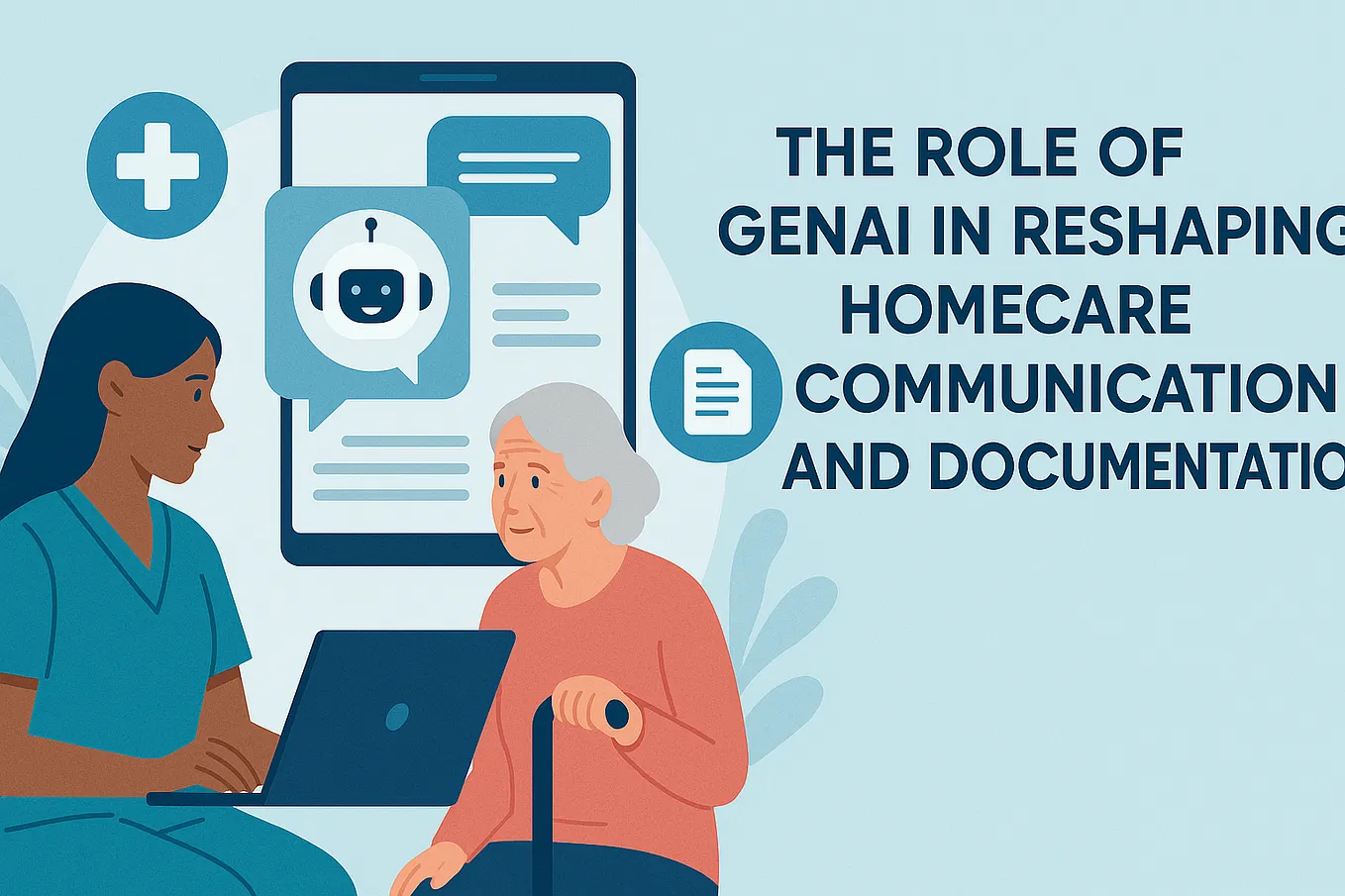
AI isn’t just for tech enthusiasts, it’s actually making home care smarter and more personal. Devices powered by artificial intelligence can:
- Recognize changes in sleep patterns or activity levels, signaling potential health issues.
- Provide medication reminders, so important doses aren’t missed.
- Answer health-related questions, like a 24/7 digital nurse.
One of the biggest advantages? AI learns habits over time. If it notices that an elderly person usually wakes up at 7 AM but suddenly starts sleeping until noon, it might signal an underlying health issue.
Companies like Philips and Amazon are investing heavily in AI-driven healthcare assistants, making these tools more reliable and accessible.
3. Smart Sensors and Fall Detection: A Lifesaver (Literally)
Falls are one of the biggest risks for seniors living alone. A single fall can lead to severe injuries and long-term hospital stays. Smart home sensors can detect movement patterns and predict when a fall is likely to happen.
Some systems go even further; if someone does fall, the sensors can automatically call emergency services or notify a caregiver. No need for them to press a button or shout for help.
Did you know? Studies show that smart fall detection reduces emergency response times by up to 80%, making a huge difference in survival rates and recovery outcomes.
4. Robotics in Home Care
Robots in healthcare aren’t about human replacement, they’re all about assisting humans to provide better care.
- Medication robots: Small machines that can self-dispense the right pills at the right time.
- Companion robots: Devices that provide emotional support, reducing loneliness in seniors or people who have no one to talk to.
- Mobility robots: Machines that help with walking and standing, giving people more independence.
In the UK, there’s a company called Cera Care that is testing home robots that remind seniors to take their medication, check in on their well-being from time to time, and alert caregivers if something seems wrong. This type of tech could reduce hospitalizations by 60% and improve people’s overall quality of life.
Addressing Concerns: Are Smart Home Solutions Really Safe?
Now that we know all about these big advancements, one question still remains, i.e., what about privacy and security?
Well, that’s a fair concern. Smart home devices collect a lot of personal health data, and if that data isn’t protected, it could be misused. Fortunately, companies are investing heavily in secure encryption and data protection to ensure patient information stays private.
However, there’s another concern — ‘the human touch’. Some worry that technology will make caregiving too robotic, reducing meaningful human interaction.
The truth? Technology enhances, not replaces, human care. These tools take care of routine tasks so caregivers and family members can focus on emotional support and companionship, which no machine can replicate.
Is Smart Home Healthcare Right for You?
If you’re caring for your aging parent, or yourself living with a chronic condition, or just planning for the future, smart home healthcare is worth considering. And obviously, please know that while technology can’t replace love, attention, and human connection, it can take away a certain amount of stress out of caregiving and help people live independently for longer.
And that? That’s a future worth investing in, right?
What’s Your Take? Would you trust AI or smart sensors to help with home care? Have you or someone you know used any of these technologies? Share your thoughts in the comments!