Reclaiming the Divine Feminine: Pathways to Wholeness (Part 2)
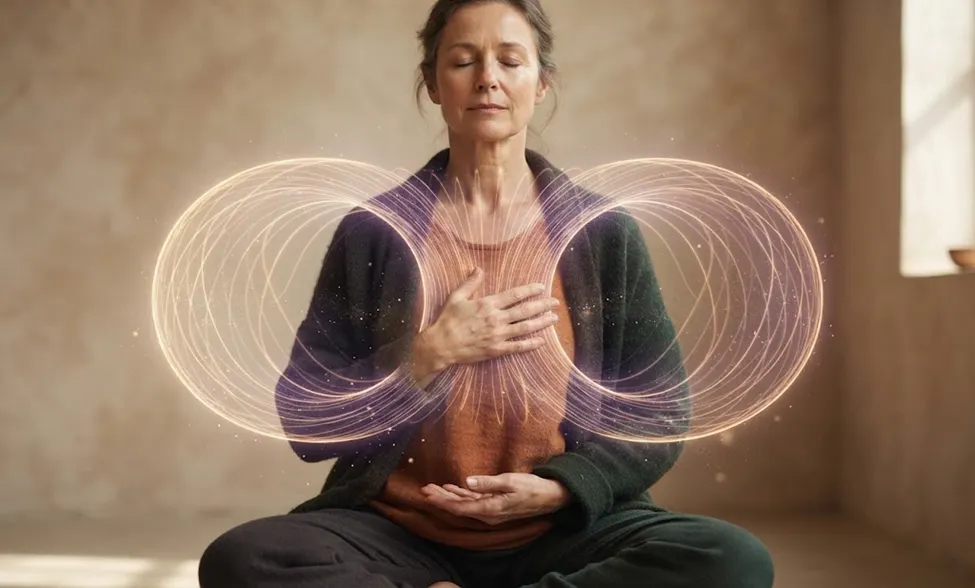
The exploding awareness of this historical void has sparked powerful women movements around the world to reclaim their divine feminine, paving pathways to greater wholeness, both individually and collectively.

Reinterpreting Ancient Texts and Myths — Scholars and spiritual seekers are actively re-examining existing religious texts and myths to unearth hidden or suppressed feminine divine imagery and narratives.
This involves looking beyond surface interpretations to find the veiled presence of goddesses, the feminine aspects of God, or the stories of powerful women who embody divine qualities. This reinterpretation offers new ways to understand ancient wisdom and to see the divine in a more complete light.
Listening to Deva Premal — Jai Radha Madhav (extended) — Feb 28, 2021
Jai radha madhav Jai kunj vihari
Jai gopi jana vallabh Jai gire balihari (varadhari)
~https://devapremalmiten.com
Emergence of Goddess Spirituality — Across the globe, there’s been a significant emergence of Goddess spirituality. Contemporary movements and practices are actively worshipping goddesses from various pantheons and embracing feminine spiritual principles.
This often involves rituals, meditations, and a deep connection to nature, celebrating the cycles of life, death, and rebirth, and honoring intuition, creativity, and emotional wisdom. These practices offer a direct and empowering path for those seeking to connect with the divine feminine.
Integrating the Feminine into Mainstream Faiths — Even within more traditional religions, there are growing efforts to acknowledge and integrate feminine aspects of God/Divinity.
In Christianity, there’s a renewed interest in Sophia, the personification of divine wisdom, often depicted with feminine qualities. In Judaism, the Shekhinah represents the divine feminine presence of God on Earth.
Hinduism, with its rich pantheon of goddesses like Lakshmi, Saraswati, and Durga, has always maintained a strong emphasis on the feminine divine, offering a rich source of inspiration for other faiths.
Personal and Collective Healing — Reclaiming the divine feminine is not merely an academic exercise; it’s a powerful act of personal and collective healing. Embracing this aspect can lead to greater balance within ourselves, fostering compassion, intuition, and empathy.
Get Vinanti Sarkar ... VoicesofWomenWorldwide’s stories in your inbox
Join Medium for free to get updates from this writer.
It encourages a renewed connection to nature, seeing the Earth as a sacred, living entity rather than a resource to be exploited. This reintegration of the feminine allows for a more holistic understanding of divinity, leading to a deeper sense of purpose and interconnectedness.
Embracing Feminine Qualities — Finally, this reclamation encourages us to actively cultivate and value qualities historically associated with the feminine divine within ourselves and society.
This means embracing empathy, intuition, creativity, collaboration, and nurturing. By recognizing these as strengths rather than weaknesses, we can create more balanced relationships, foster healthier communities, and build a world that thrives on cooperation and understanding rather than domination and conflict.
Conclusion: A Vision for the Future
The historical erasure of the divine feminine has left an undeniable imprint on our spiritual understanding and societal structures. Yet, the current global re-awakening signals a powerful shift — a collective yearning to restore balance.
Reclaiming the forgotten feminine aspect of the divine is not about replacing the masculine, but about integrating what was lost, bringing forth a more complete and harmonious understanding of the sacred.
We women and young girls are all invited to contribute to this reclamation.
This might involves probing into the rich histories of goddess worship, exploring contemporary spiritual practices, advocating for gender equality in all spheres, or simply cultivating a more balanced worldview that honors both the masculine and feminine principles within ourselves and the world around us.
The transformative potential of recognizing and honoring the divine feminine is immense, promising a future of greater empathy, intuition, and a more harmonious, whole world for generations to come.