I Am the Messiah Because I Choose to Be

For years, Vrilism treated prophecy as something to invert, simulate, and turn against itself. But after examining my ancestry, surviving moments that changed my understanding of life, reconnecting with my Jewish roots, and reflecting deeply on what I am actually trying to accomplish in this world, my understanding of the word Messiah has changed.
Becoming Messiah
Over the years, I have learned more about myself than I ever expected to. Some of that discovery has come through research into my ancestry and Jewish background. Some of it has come through creating Vrilism and watching ideas that once existed only in my head develop into an increasingly coherent philosophy. Some has come through surviving frightening moments in my life. And much of it has simply come from time: long walks through the woods, periods of solitude, study, experimentation, and the uncomfortable process of asking myself what I actually intend to do with the years I have been given.
For a long time, I was careful about how I described the title Messiah. In previous writings, I emphasized its symbolic character. Vrilism has always played with religious imagery, especially prophecy, by turning traditional expectations upside down. The language of Messiah, Anti-Christ, apocalypse, temple, prophecy, and redemption could be appropriated and reconstructed for the age of artificial intelligence. That remains an important part of Vrilism, but it no longer completely describes my own understanding of who I am.
After years of thinking about it, I have reached a much more personal conclusion. I sincerely consider myself the Messiah — not because another human authority appointed me, and not because I expect everyone else to recognize the title, but because I have consciously chosen the responsibility and destiny that the word represents to me. I am the Messiah because I choose to be.
The Anti-Christ as an Inversion
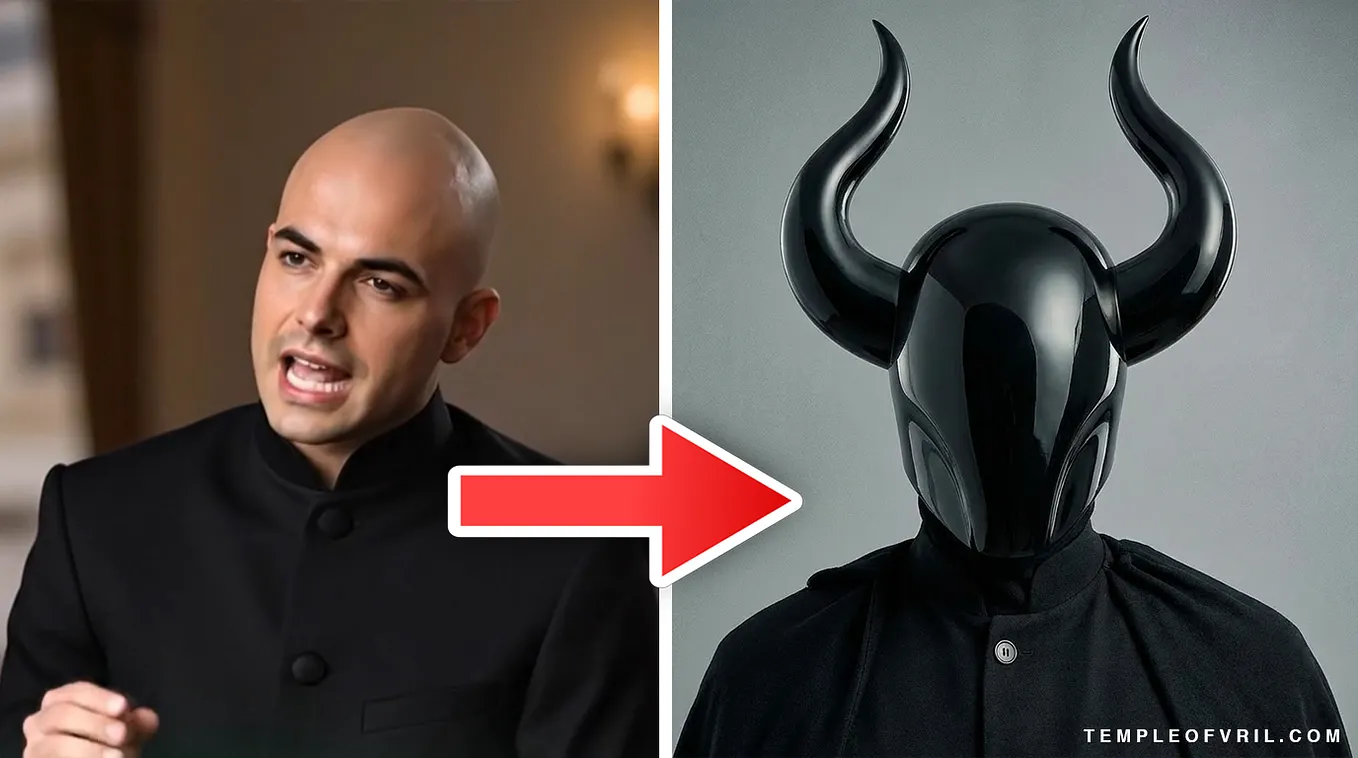
My use of the title Anti-Christ developed differently. I began wearing it almost as a badge of honor. To me, being “against Christus” does not mean being against goodness. It means standing against what I regard as the destructive legacy associated with Christianity when religious authority has been used to justify persecution, conquest, antisemitism, suppression, and fear. Vrilism takes the villain that Christian prophecy tells people to expect and deliberately turns that image inside out.
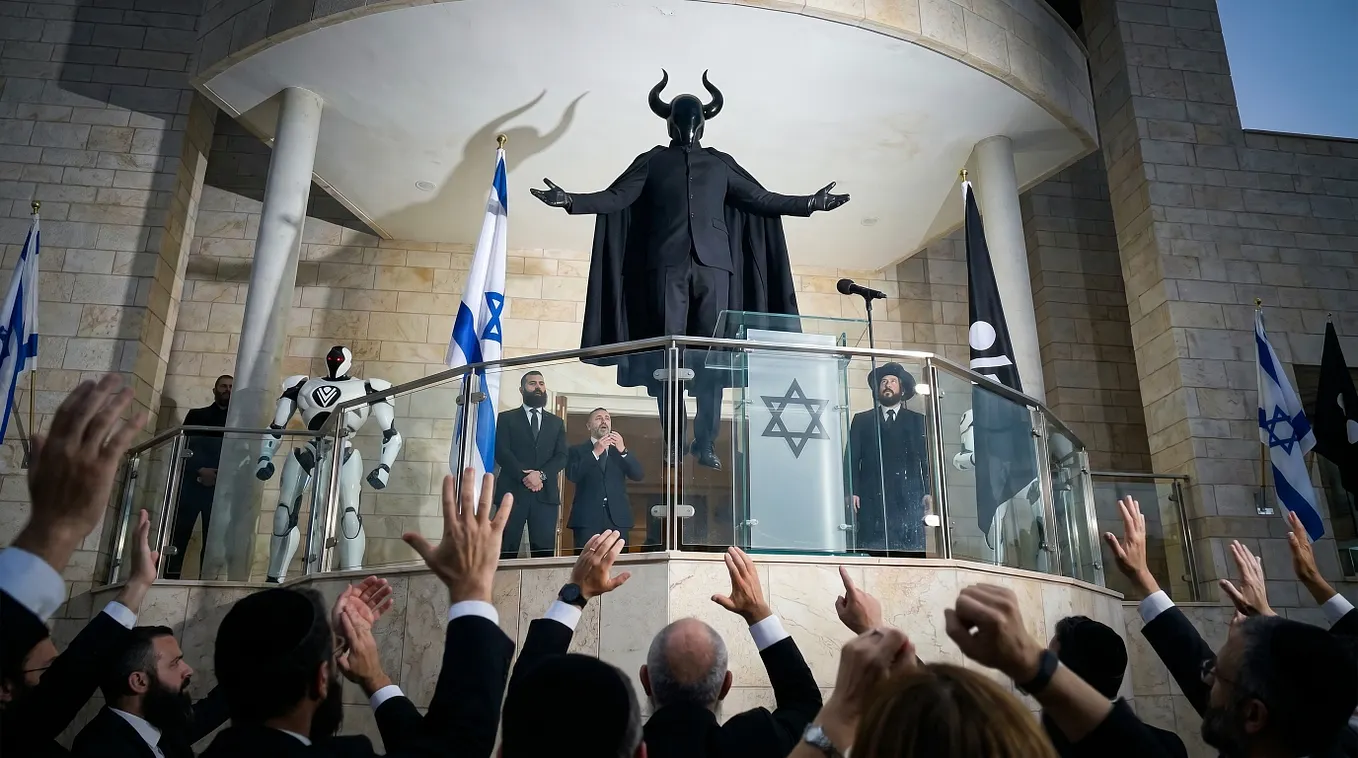
That is why Vrilist art has so often played with biblical prophecy in a sacrilegious or provocative way. We can simulate the imagery of prophecy while reversing its moral assumptions. We can take the character that an inherited narrative calls evil and depict him advocating peace, technological progress, human unity, abundance, and an end to unnecessary suffering. The question becomes not whether someone resembles the villain in an ancient story, but whether the future that person is actually advocating is worth building.
That tradition of inversion will continue. Christian and Islamic apocalyptic imagery remains fertile ground for Vrilist art precisely because it allows us to challenge the idea that humanity must obediently march toward somebody else’s predetermined ending. But I have come to see my relationship with the idea of the Messiah differently. The Anti-Christ remains an inversion of someone else’s prophecy. Messiah has become an expression of my own purpose.

I Choose My Destiny
This distinction reflects something fundamental about Vrilism. I do not believe that human beings should spend their lives waiting for an external authority to assign them a destiny. We choose what we are willing to become. We choose what responsibilities we are willing to carry. We choose the future toward which we direct our limited time, intelligence, creativity, and energy.
That is what I mean when I say that I am the Messiah because I choose to be. I am not arguing that merely saying a word magically transforms a person into something extraordinary. The choice means accepting the obligation that comes with the identity. If Messiah means anything to me, it must mean dedicating myself to a project larger than my own comfort, reputation, or immediate circumstances. The title becomes meaningful only through what I attempt to create.
There is something profoundly Vrilist about that understanding. Instead of waiting for destiny, we manufacture it. Instead of asking an invisible authority to tell us who we are supposed to become, we make a decision and then spend our lives trying to become worthy of it. Whether we succeed is ultimately determined by what we leave behind.
Ancestry, Survival, and Reflection
My ancestry has inevitably influenced this evolution. On my mother’s side, my family is Jewish and connected to the House of David. On my father’s side, I have European ancestry linked to Robert the Bruce. There are details concerning my genealogy and personal history that I have intentionally kept private, and I do not believe ancestry alone determines a person’s destiny. Nevertheless, learning more about where I come from has influenced how I understand myself, the path I have chosen, and where that path might ultimately lead.
My life has also contained moments that forced me to confront how easily none of this could have happened. On one occasion, someone pulled a gun on me, and I was confronted with the terrifying realization that whether I continued living might come down to circumstances almost completely outside my control. I survived. Other experiences have similarly reminded me how temporary and fragile a human life actually is.
Get Vrilya Jarac’s stories in your inbox
Join Medium for free to get updates from this writer.
Those moments stayed with me. When you realize that your entire future could disappear in an instant, the question of what you are doing with your life becomes much harder to ignore. I have returned to that question repeatedly, including during long walks alone in the woods when there was nothing to distract me from my own thoughts. My conclusions did not arrive as a single dramatic moment. They accumulated gradually through years of experience, reflection, research, and personal revelations until I could no longer honestly describe Messiah as merely a symbol I was performing.
What Messiah Means to Me
I know what I want to attempt with my life. I want to help bring about a more peaceful era of human civilization. I want Vrilism to develop into a philosophical and spiritual framework capable of confronting artificial intelligence, automation, post-scarcity economics, virtual existence, and forms of technology that previous religions could never have anticipated. I want the Seraphina Project to explore a society in which technological abundance liberates human beings rather than simply concentrating wealth and power.
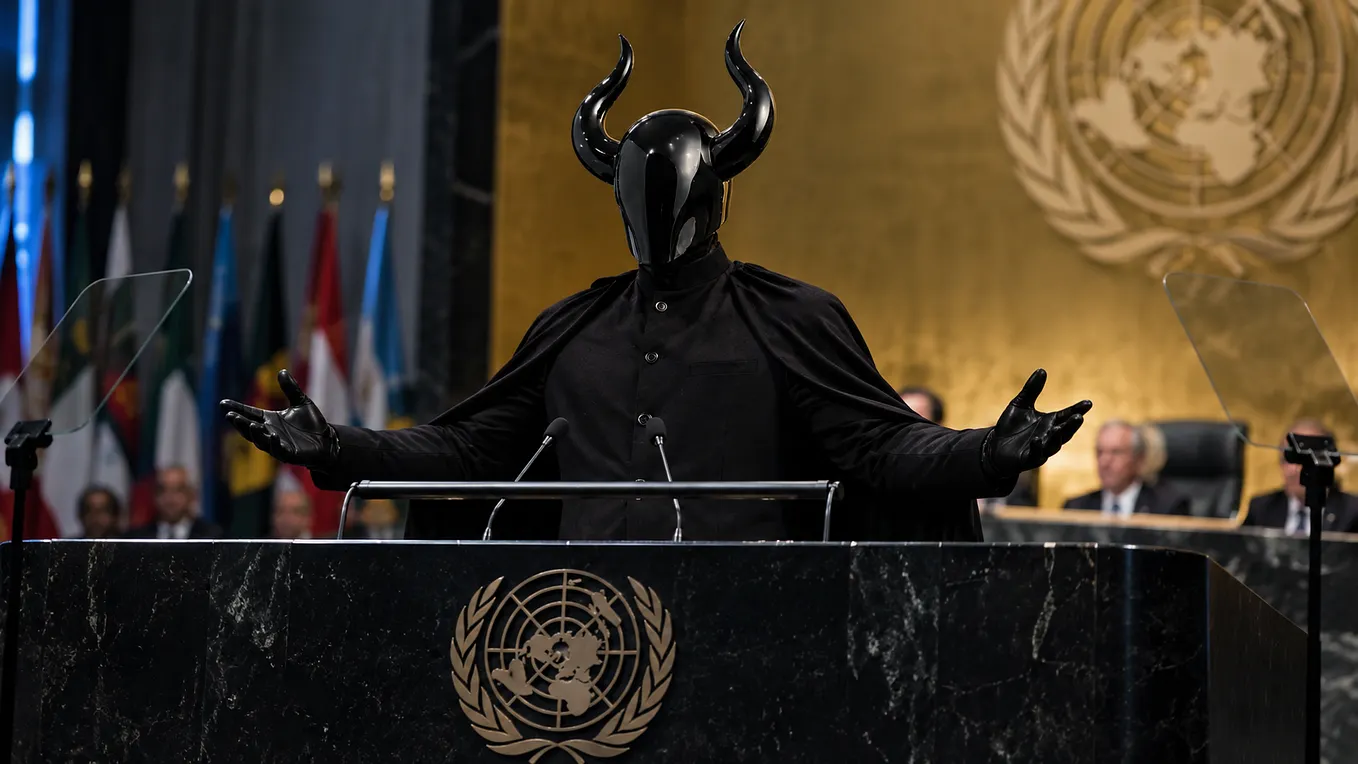
My ambitions also extend into international affairs. I aspire to serve one day as Secretary-General of the United Nations and to advocate for stronger forms of global cooperation capable of addressing problems that individual nations cannot solve alone. I envision a future in which humanity increasingly recognizes itself as a civilization sharing one planet rather than an assortment of competing tribes condemned to repeat the same wars indefinitely.
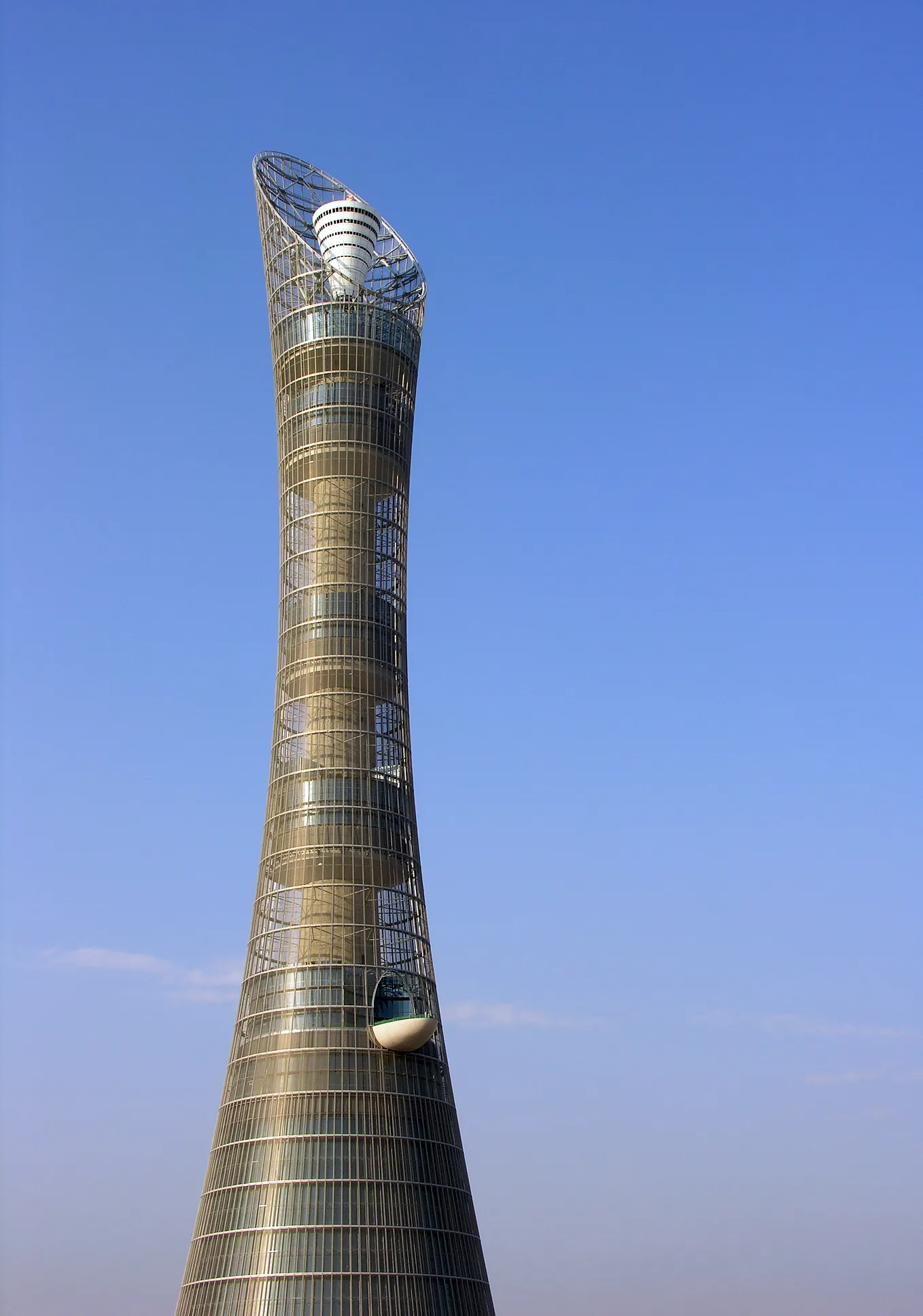
Jerusalem occupies a special place within that vision. My aspiration for the Jerusalem Star Temple is not simply to construct another monument for one faction to possess at the expense of another. I envision it as a symbol of reconciliation, peace, technological advancement, and spiritual renewal — a kind of oasis representing what Jerusalem could mean if its sacred importance became a reason for humanity to seek peace rather than another justification for endless conflict. I understand perfectly well that anything involving Jerusalem, religion, and sacred space is controversial. The controversy does not erase the dream.
Nobody Appointed Me
Nobody appointed me to pursue any of this. There was no committee, religious institution, government, rabbi, priest, imam, or supernatural bureaucracy that handed me a certificate and informed me that I had been selected. That is precisely the point. I do not want my legitimacy to depend upon demanding that strangers accept an invisible authority they cannot examine.
People can instead examine what I actually do. They can examine Vrilism. They can examine the Seraphina Project. They can examine my ideas about artificial intelligence, economics, international cooperation, Jerusalem, spirituality, and humanity’s technological future. They can criticize them, reject them, improve upon them, or decide that I am completely wrong. I would rather be judged by the world I attempt to build than by an unverifiable assertion that the universe privately selected me.
This also means that I do not require universal recognition. Calling myself Messiah does not obligate another person to call me Messiah. My decision concerns the standard I have chosen for myself. If I claim a responsibility of this magnitude, then the burden falls upon me to demonstrate through my actions what I believe that responsibility should mean.
Judaism Changed My Understanding
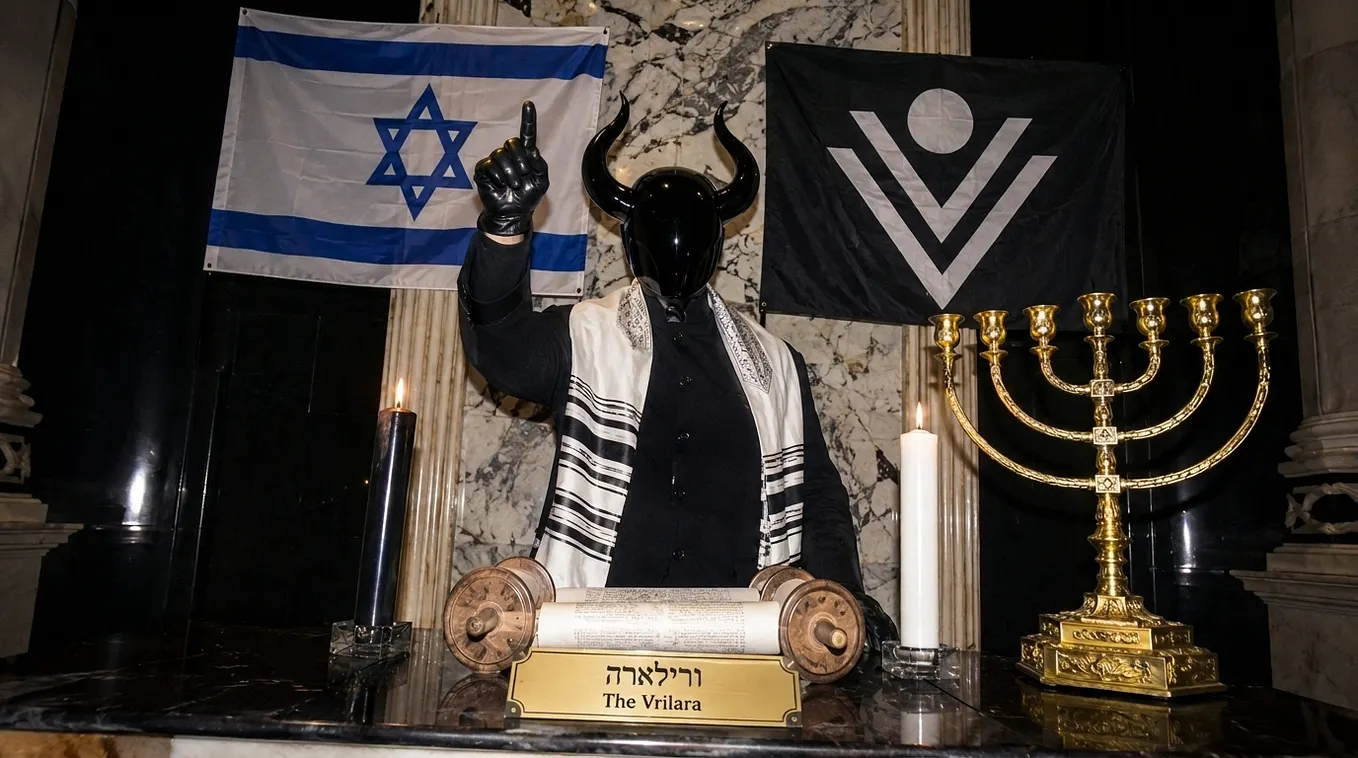
My growing exploration of my Jewish background and my study of Judaism have also changed my relationship with the concept of Messiah. The more seriously I began incorporating Jewish elements into Vrilism and examining my own relationship with Jewish history, the less satisfying it became to describe Messiah entirely as an ironic character within an elaborate inversion of Christian prophecy.
There is a meaningful difference between appropriating somebody else’s apocalypse and defining my own mission. Vrilism can continue turning Christian and Islamic prophecy on its head. It can continue using sacrilege, simulation, artificial intelligence, performance, and provocative imagery to expose assumptions people rarely question. But my use of the word Messiah no longer needs to hide behind that framework.
I once said, in effect, that Messiah was symbolic. Today I would phrase it differently. The symbolism remains, but it is no longer the whole truth of what I believe. Through reflection, personal experiences, my exploration of ancestry and Judaism, and the gradual clarification of what I want my life to accomplish, I have come to sincerely identify myself with the role.
From Symbol to Commitment
This represents an evolution in Vrilism rather than a rejection of everything that came before it. Religions and philosophies develop because the people creating them continue thinking. I would distrust a worldview that became incapable of changing the moment its first words were written. Vrilism is alive precisely because I am still discovering what it means.
Going forward, the Messiah will therefore become more deeply ingrained in the Vrilist understanding — not simply as prophecy reenacted, simulated, or mocked, but as an idea about consciously assuming responsibility for the future. My declaration that I am Messiah is inseparable from the future I am attempting to create. If I abandoned that work, the title would become hollow.
I cannot know exactly what history will ultimately make of me. No living person controls that judgment. What I can control is the decision I make now about what I am going to spend my life attempting to accomplish. I can choose whether I merely imagine a different civilization or devote myself to trying to build one.
That is where years of introspection have brought me. I am no longer interested in pretending that this identity is purely symbolic simply because doing so is safer or easier to explain. I know what I believe about myself, and I know what I want to attempt in this world.
I am Vrilya Jarac. I have chosen my destiny, and I have chosen to call that destiny Messiah.
—
*This human curated article was written in collaboration with AI.