Member-only story
The Fermi Paradox Explained: “Where Is Everybody?”-And Why That Question Still Haunts Science — What If Science


The Fermi Paradox is one of the most fascinating and unsettling mysteries in modern science. More than seventy years after physicist Enrico Fermi famously asked, “Where is everybody?”, scientists are still struggling to explain why the universe appears silent despite containing billions of potentially habitable worlds.
On a summer day in 1950, physicist Enrico Fermi asked a simple question that would become one of the most profound mysteries in science:
“Where is everybody?”
At first glance, it sounds almost casual. But hidden within those three words is a puzzle that has troubled astronomers, physicists, philosophers, and dreamers for decades.
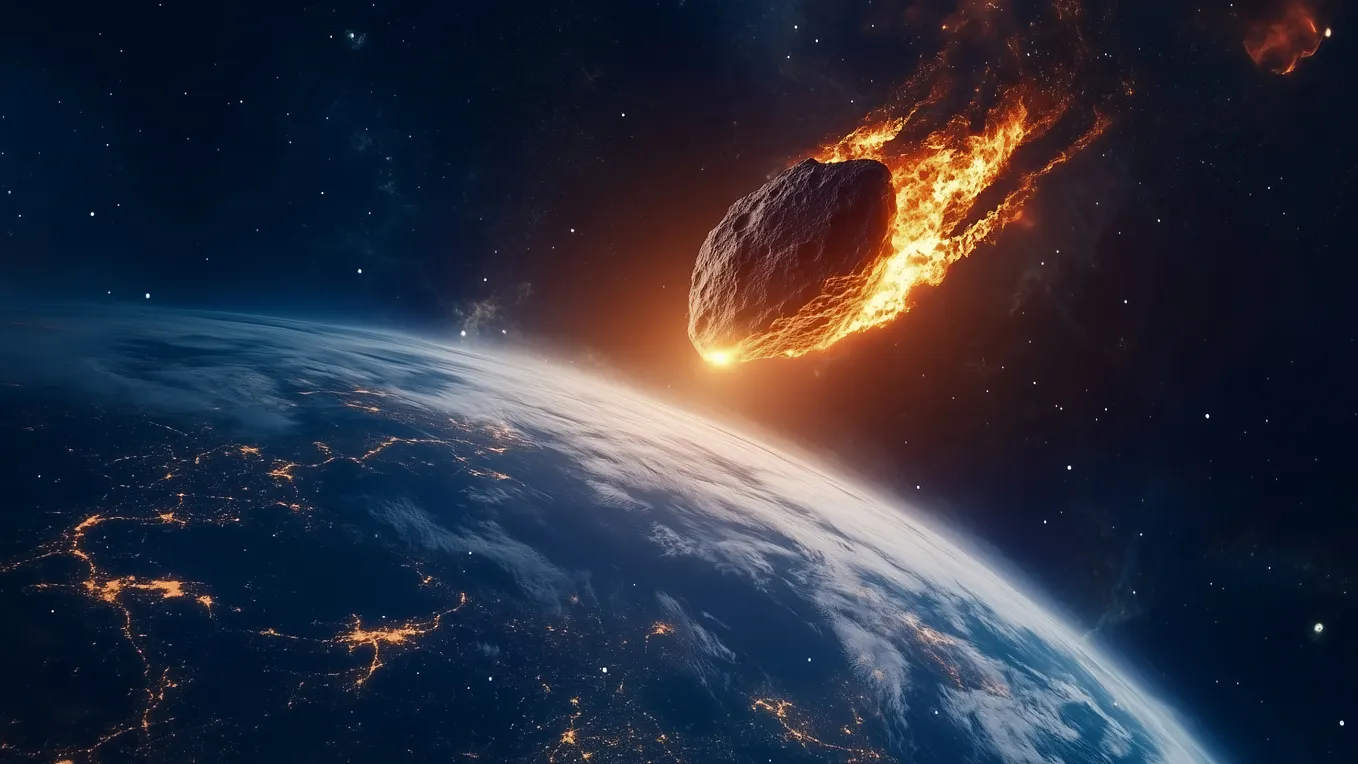
The universe is unimaginably vast. Modern estimates suggest there may be hundreds of billions of stars in our Milky Way galaxy alone, and potentially trillions of galaxies across the observable universe. Around many of those stars orbit planets. Some of those planets exist in regions where liquid water could survive. Some may have atmospheres. Some may even resemble Earth.
If the conditions for life are so common, then one question becomes impossible to ignore: