Why Data-Driven Companies Invest in Custom Decision Platforms


Every company today claims to be data-driven.
But inside many organizations, decision-making still relies on outdated spreadsheets, disconnected dashboards, manual reports assembled hours before meetings, and data that contradicts itself depending on the department. As a result, leaders start to lack clarity.
That’s why many organizations are moving beyond traditional reporting tools and investing in custom data-driven platforms designed specifically for their operations. These platforms transform raw information into a real operational advantage.
The Real Problem Is in Fragmentation, Not in Data Alone
Modern companies collect enormous amounts of data:
- CRM systems track customers;
- ERP platforms store financial and operational information;
- marketing tools generate campaign analytics;
- production systems monitor performance metrics.
But these systems rarely communicate well with each other. Instead of a unified picture, businesses end up with data silos.
When information lives in separate systems, teams waste time reconciling numbers rather than making decisions. Fragmented visibility often leads to delays, misaligned priorities, and increased operational costs.
In practical terms, this means:
- executives receive reports hours or days late;
- analysts manually combine datasets;
- teams debate whose data is correct.
A custom data platform solves this by creating a single source of truth.
What a Custom Data Platform Actually Does
Think of a custom data platform as the operational brain of a company. Instead of juggling multiple dashboards, employees work inside one unified system where data is:
- aggregated from different sources;
- processed and standardized;
- visualized through interactive dashboards;
- connected to workflows and automation.
Rather than simply showing charts, these platforms help people act on data immediately.
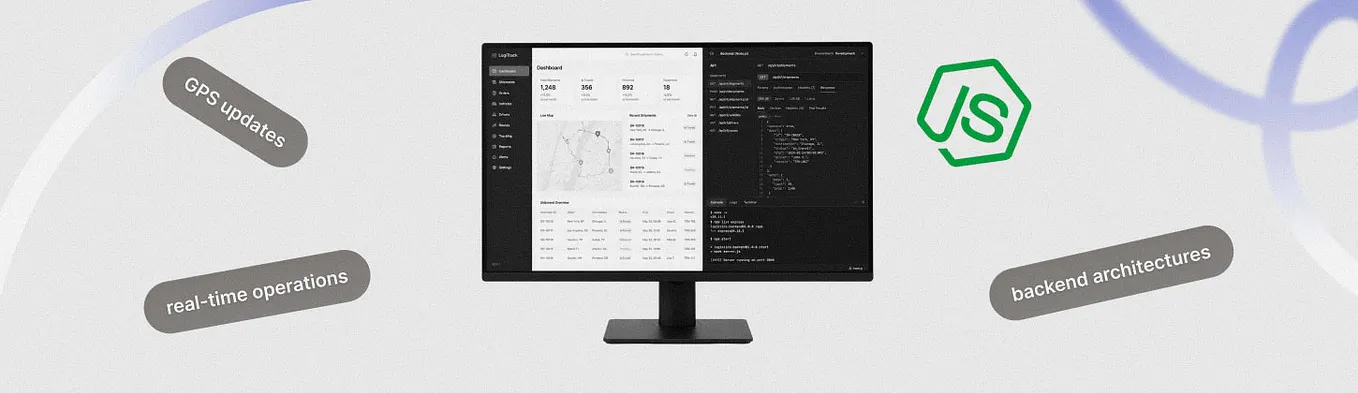
For example, a logistics company can track fleet performance in real time. A SaaS company can analyze churn risk across customer segments. A manufacturing firm can monitor production efficiency across multiple facilities. The platform doesn’t just display metrics, it supports decisions in context.
Why Off-the-Shelf Analytics Tools Often Fall Short
Tools like BI dashboards and reporting systems are useful, but they’re built to serve generic needs. Businesses with complex processes quickly encounter limitations. Typical problems include:
- Limited customization: Pre-built dashboards rarely match how a company actually operates.
- Workflow disconnect: Analytics tools often sit outside operational systems, forcing users to switch between applications.
- Scaling challenges: As data volume grows, off-the-shelf tools struggle to keep up with performance demands.
- Lack of proprietary advantage: If every competitor uses the same tools, no one gains a meaningful edge.
Custom platforms, on the other hand, are designed around specific workflows, KPIs, and business logic.
The Key Components of a Modern Data Platform
Successful data-driven platforms usually include several core layers.
1. Data Integration
The platform pulls information from multiple sources:
- CRM systems;
- ERP platforms;
- APIs;
- IoT devices;
- external market data.
This integration creates a unified dataset.
2. Data Processing and Governance
Once data is collected, it must be cleaned, validated, and structured. Strong governance ensures consistent metrics definitions, access permissions, and compliance with regulations.
Get XB Software’s stories in your inbox
Join Medium for free to get updates from this writer.
Enterprise platforms often include role-based access controls, meaning users only see the data relevant to their role.
3. Interactive Visualization
Dashboards translate complex datasets into clear visual insights. Instead of static reports, users interact with real-time charts, drill-down analytics, geographic visualizations, and predictive forecasts.
Data visualization tools help teams to detect patterns and correlations that might otherwise remain hidden.
4. Decision Support and Forecasting
Advanced platforms go beyond reporting. They enable predictive analytics, scenario modeling, and automated alerts. For example, managers might adjust variables like pricing or marketing spend and instantly see updated revenue forecasts. This turns analytics into an operational decision engine.
The Strategic Advantage of Custom Data Platforms
Companies that successfully implement custom analytics systems gain several advantages.
- Faster decisions: Real-time dashboards eliminate reporting delays.
- Better resource allocation: Forecasting models help optimize staffing, inventory, and budgets.
- Early risk detection: Predictive analytics can identify operational issues before they escalate.
- Competitive differentiation: Custom insights derived from proprietary data create strategic advantages competitors cannot easily replicate.
In other words, data becomes a strategic asset instead of a reporting artifact.
When a Company Should Consider Building a Data-Driven Platform
Not every organization needs a custom platform immediately. But certain signals suggest it’s time to move beyond standard analytics tools.
For example:
- teams rely heavily on spreadsheets;
- reports take hours to prepare;
- departments use different metrics for the same KPIs;
- decision-makers lack real-time operational visibility;
- existing BI tools cannot support AI or machine learning initiatives.
When these issues appear, the organization is already paying the hidden cost of fragmented data.
A Simple Example: Turning Data into Action
Imagine a retail company operating across dozens of locations. Without a unified platform:
- sales data lives in the POS system;
- marketing performance lives in analytics tools;
- inventory data lives in ERP;
- customer data lives in CRM.
By the time analysts combine these datasets, the insights are already outdated.
A custom data platform could instead provide:
- live store performance dashboards;
- demand forecasting;
- automated inventory alerts;
- regional profitability analysis.
Executives no longer debate the numbers, they act on them.
The Future: AI-Powered Decision Platforms
Data alone doesn’t create better decisions. Structure does. Companies that succeed with data don’t simply collect more of it, they design systems that transform information into insight and action.
Custom data-driven platforms make this possible. And the next generation of data platforms goes even further. Instead of just presenting dashboards, they integrate machine learning models, predictive analytics, and automated recommendations.
This shift transforms analytics from passive reporting into active decision support.
Want to know more about data-driven platforms? Check the examples we explore: https://xbsoftware.com/blog/custom-data-driven-platforms-for-business-decisions/