A better way to manage your engineering team (AI SDLC)
The Software Development Lifecyle (SDLC) has evolved to AI SDLC as both code and review is now heavily done with coding agents.

In this human written article we cover how we lost control of the SDLC and how to regain control of the SDLC:
- by Observing
- by Verifying
- By Optimizing the process
We lost control
Developers now report that 42% of the code they commit is AI-generated or AI-assisted, and they expect that share to reach 65% by 2027 which is up from roughly 6% in 2023. Among developers who have tried AI coding tools, 72% now use them every day, with only six percent reporting occasional use of less than once a week. Whatever the SDLC is now, it is no longer a process in which humans author the majority of what ships.
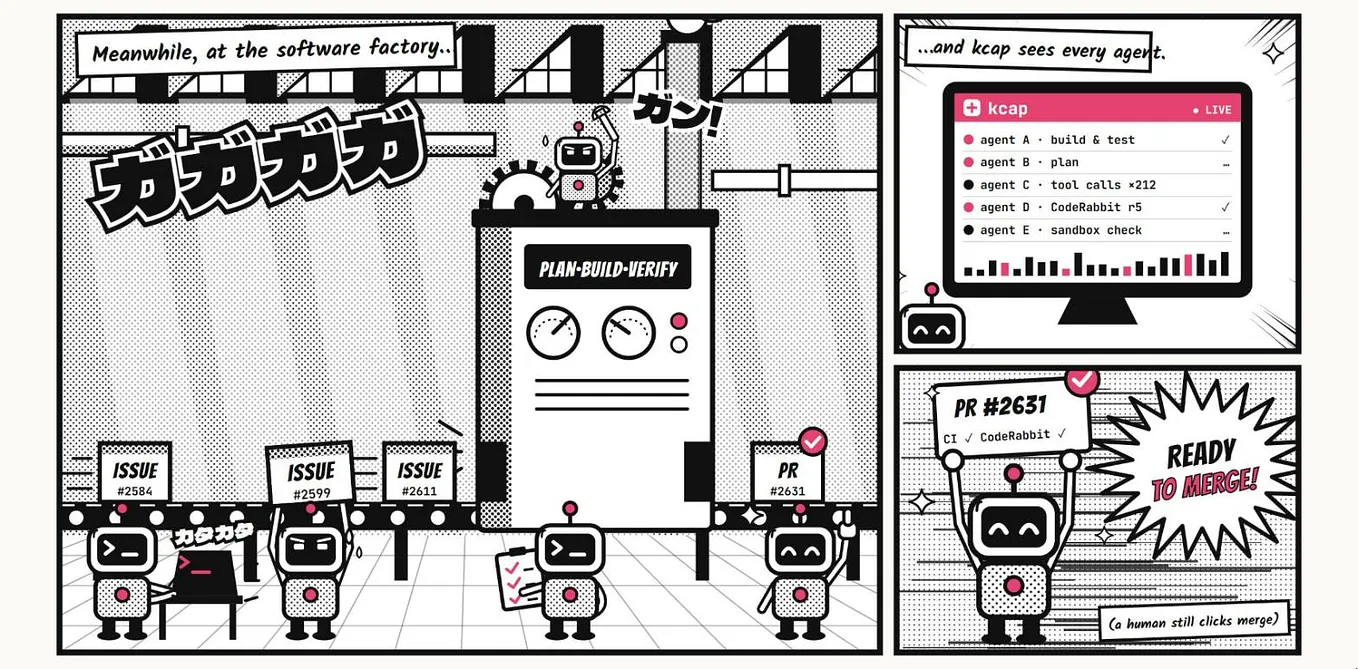
Not only that, engineers are now working more than ever in silos, using coding agents on their own machine not necessarily interacting with their peers. Linear issues (or any other issue tracking) is not really being opened, you connect it to your coding agent it pick ups, updates and creates new issues or projects as and when it needs to.
And the last and worst part is a new kind of technical dept where engineers don’t understand the code that has been produced.
How to regain control
1. Observing
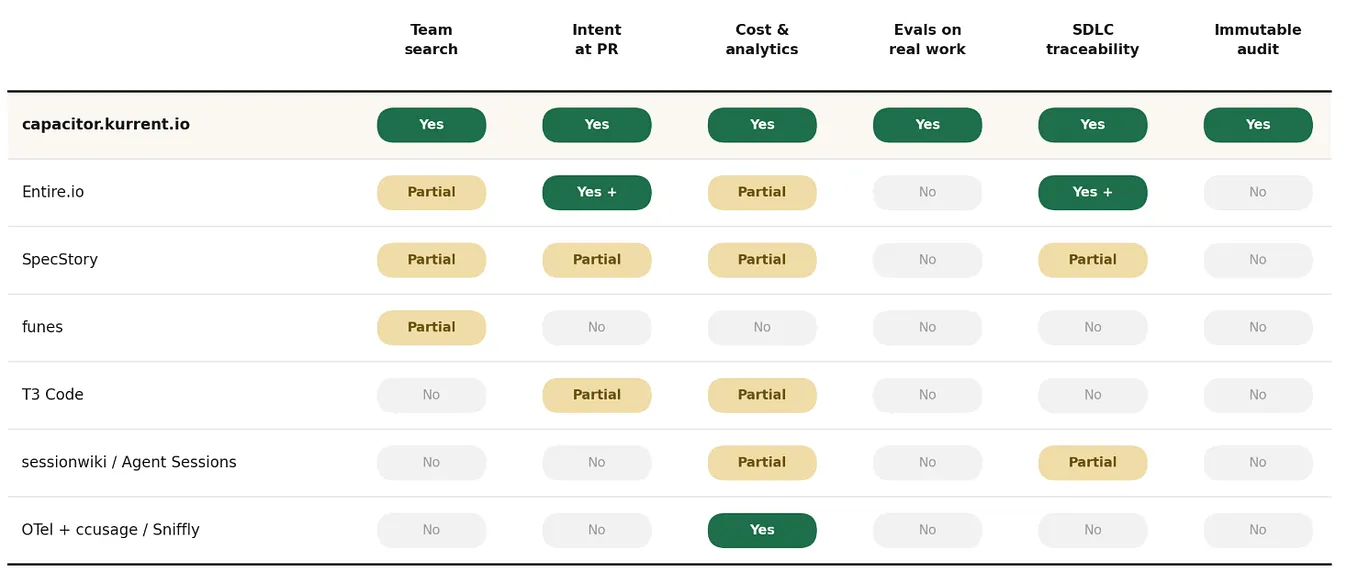
You need some kind of observability first and foremost. As an engineering manager you need to have at least a bird’s eye view of what your engineers are doing. For that you can use https://capacitor.kurrent.io/ for free.
Get Lougarou’s stories in your inbox
Join Medium for free to get updates from this writer.
Your engineers download the CLI and then you get access through the web UI to sessions that your engineers have worked or are being worked on.
But my engineers produce hundreds of sessions, I don’t have time to look through all of them. Well, once you install the CLI, you can use your own coding agent to query their sessions.
Capacitor keeps all the sessions recorded and uncompacted, for free. This allows you to interrogate the data with complex queries and analytics. What issues were completed? How many tokens were used? What model worked best? Who is the top performer? Who is wasting the most tokens? You get it all because we are keeping it all!

2. Verifying
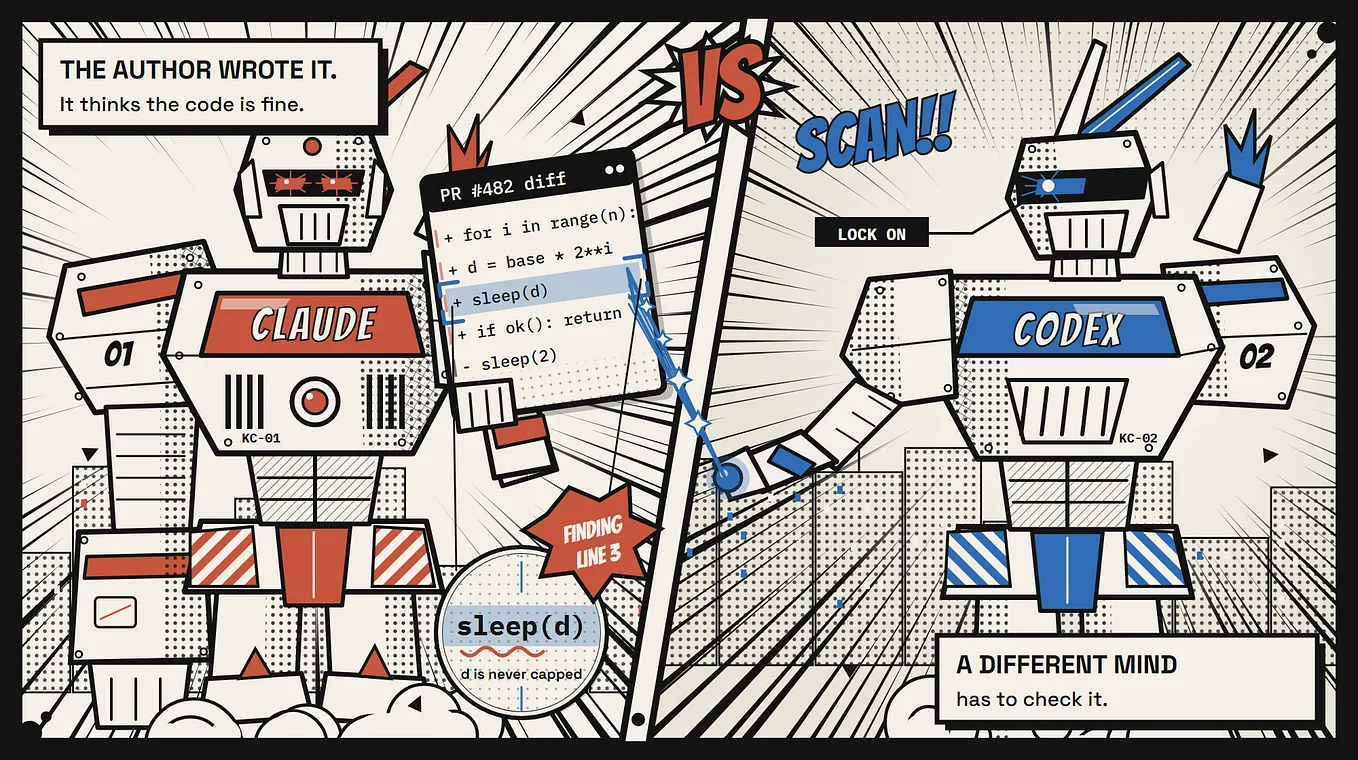
Code verification is still bottlenecked, depending on the criticality of the code that you working on, you will want to get it either reviewed by at least a human (super critical, Linux kernel maybe) or another coding agent (important software but still needs to be correct).
For human verification, there is a need trick that will help you with huge coding reviews. You can ask your coding agent to build an interactive webpage for you, where it presents the facts and you provide a per subsystem review on the pull request. Claude has artifacts which works really well for this purpose, but if your coding agent doesn’t have one, tell it to produce the output of the web page as text that you can copy and then paste in the coding agent. This has sped up my human verification effort, I hope it does it for you as well. You would still be reading important pieces of code but at least now you can navigate through it faster.
For agentic verification, Capacitor https://www.kurrent.io/docs/capacitor/using/review-flows/ has a feature which can let you run review flow where you can get another coding agent and model to criticize the pull request and the other to fix the critic, back-and-forth until there are no more critics left on the pull request. This automatic process will save you a lot of time and should actually even be done before you decide to do the final human verification step.
3. Optimizing the process
The other part that we often miss the actual process of engineering and that with AI SDLC there are now more factors to consider. A new harness is out, did it perform better than previous one? How do you know? The only way to really know whether a new model, a new skill or a new harness is actually any good is to first measure it. This is exactly what Capacitor’s evaluation does. It evaluates your coding session and that you get to see a graph, for example, in token efficiency or if the plans/goals that you and your team have given to coding agents are actually being adhered to and achieved as effectively as before.

As you might have guessed already, yes I work at Kurrent and on Capacitor. Right now the product is free and I would encourage you to go and give it a try https://capacitor.kurrent.io/
If you have a questions or feature requests you can reach out to me personally.