We Left Eating Disorder Family Therapy Feeling More Uncertain

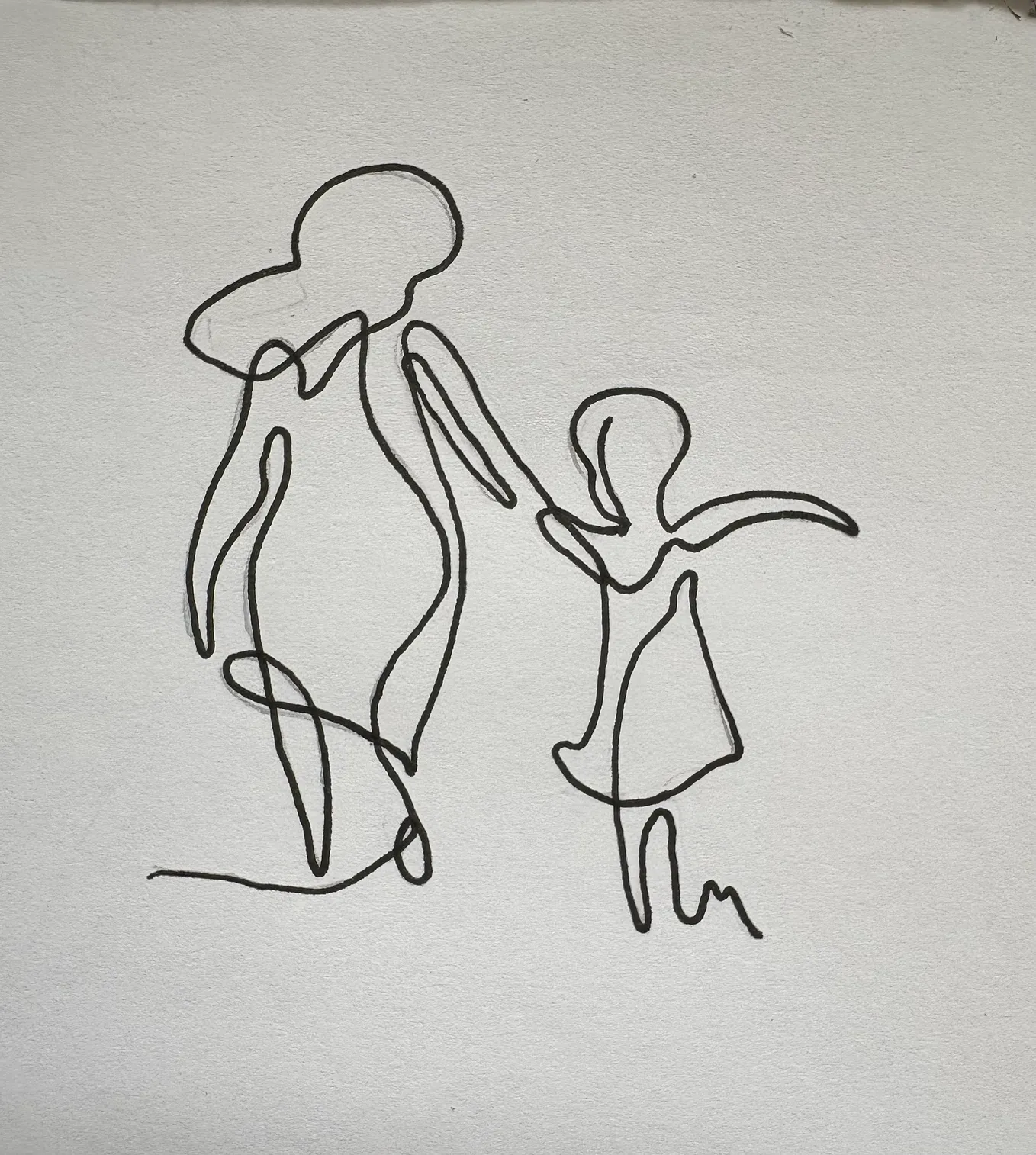
We hoped for a map. Instead, we received a mirror.
Right at the start of her recovery, family therapy was offered as part of treatment. We accepted immediately.
But after sessions I felt dissatisfied, as if somehow we were doing something wrong.
This puzzled me, because we already communicated well as a family. We talked openly. My daughter shared insight safely because there was no blame, no shouting. We were already doing what families are often told they must learn to do.
So what were we missing?
Direction.
Living with the eating disorder meant meals and activities felt like negotiations we hadn’t asked for. We wanted a higher authority to guide us.
But when we asked what to do, the questions often came back to my daughter.
How did she feel?
Get Zӧe Rucker’s stories in your inbox
Join Medium for free to get updates from this writer.
What did she think we should do?
In principle, this made sense. Therapy aims to ensure the person at the centre of the illness feels heard. But it created a paradox.
Starvation can affect cognitive flexibility, emotional regulation and decision-making. Yet here we were, looking to her to guide us.
The result was uncertainty.
Had we said the wrong thing?
Were we making the illness worse?
Later, I understood that this feeling came from the type of therapy.
Some eating-disorder treatments, such as Family-Based Treatment, place parents firmly in charge of re-feeding and give families very clear guidance. In other approaches, the therapist acts more as a facilitator, helping family members communicate rather than directing behaviour.
But we were already communicating well. We were not looking for help to talk. We wanted help to fight the illness.
This difference between expectation and experience may explain why some families leave therapy rooms with an unexpected sense of failure. They arrive hoping for a map. Instead, they are offered a mirror.
Neither approach is necessarily wrong. But the distinction matters, especially in the bewildering early stages of eating-disorder recovery.
Because our hardest moments happened at the table, out and about and in ordinary life, when innocent conversations were hijacked. Not in the therapy room.