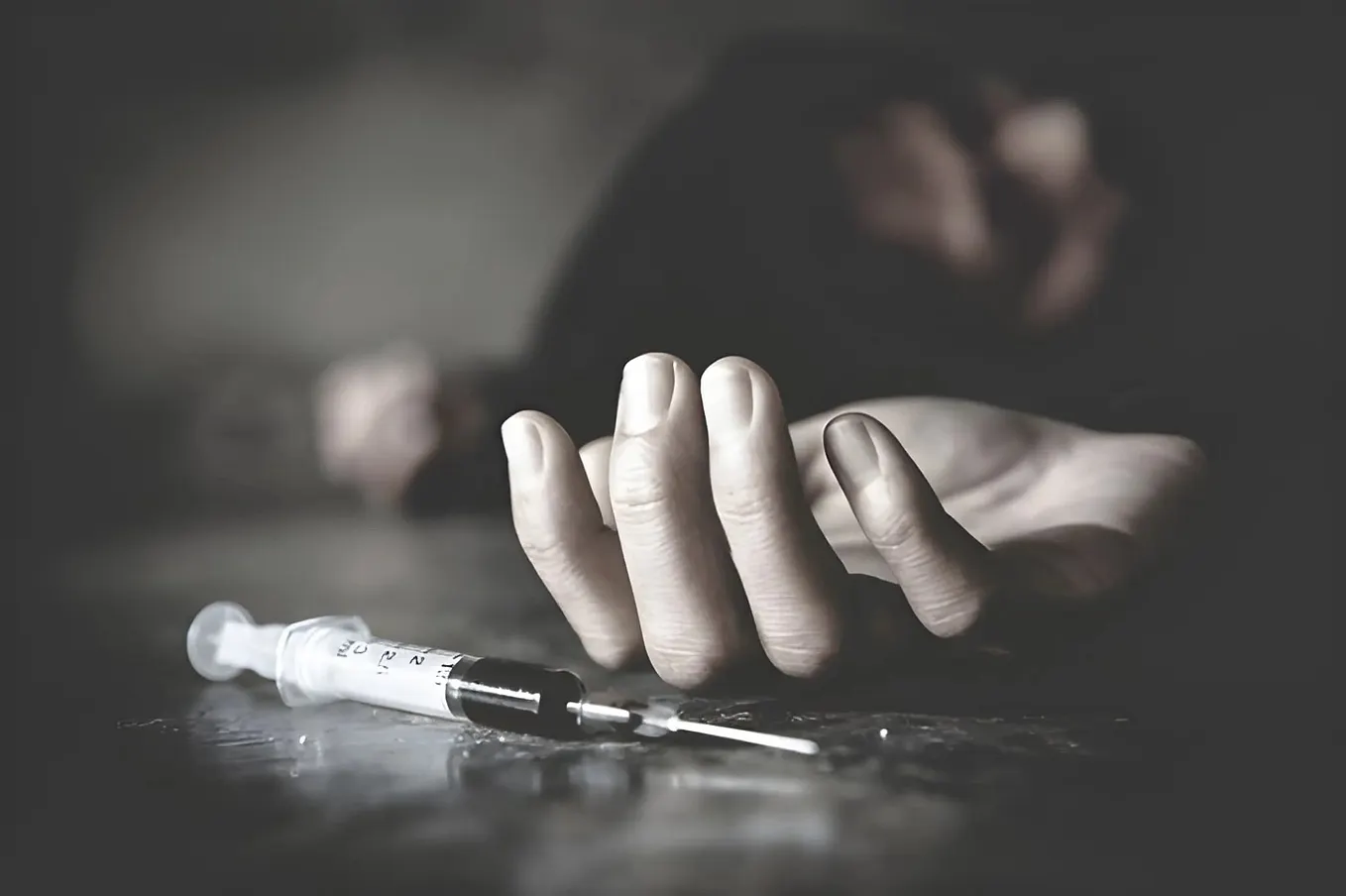
Why Relapse Is Not the Opposite of Recovery

What addiction recovery actually teaches us about healing, setbacks, and the difference between a fall and a failure

Purpose: This piece reframes one of the most misunderstood moments in addiction recovery — the relapse. Drawing on how recovery actually unfolds, the clinical understanding of addiction as a chronic condition, and what families consistently get wrong about it, I want to challenge the idea that relapse means treatment failed. Relapse is not the collapse of recovery.
More often, it is a part of it ,and how a person and their family respond to it frequently decides everything that comes after.
There is a moment that repeats itself in almost every family touched by addiction.
Someone goes through treatment. They come home changed, hopeful, sober. For weeks or months, things are better than they have been in years. And then one day, it happens again. A drink. A relapse. And in that single moment, the family’s hope curdles into something heavier than the despair they felt at the beginning, because now it comes with a conclusion: it didn’t work. The treatment failed. Maybe they can’t be helped.
That conclusion is understandable. It is also, in most cases, wrong. And the belief itself often does more damage than the relapse it responds to.
The story we are told about recovery
We are taught to think of recovery as a line. You are sick, you get treatment, you get better, and you stay better. Under that model, relapse can only mean one thing: the line broke. The recovery was fake, or fragile, or failed.
But recovery has never worked like a line. It works more like learning to walk after an injury — progress, a fall, getting up, walking further than before. The fall is not the opposite of the recovery. It is part of the same process. We just don’t tell the story that way, because a clean before-and-after is easier to believe in than a messy, non-linear truth.
The trouble is that the clean story sets families up to misread the most important moment. When relapse is framed as failure, the response is despair, withdrawal, sometimes giving up entirely. When it is understood for what it actually is, the response is different — and the difference can save a life.
What addiction actually is
To understand relapse, you have to understand what addiction is, and it is not what most people think.
Addiction is not a moral weakness or a failure of willpower. It is a chronic condition of the brain, recognised as such by medicine, sitting in the same broad category as diabetes or high blood pressure. Prolonged substance use physically changes the brain — the reward system, the stress response, and crucially the prefrontal cortex, the part responsible for impulse control and judgement. These changes do not vanish the day someone leaves treatment. They heal slowly, over many months, and during that healing the brain remains vulnerable.
Now consider how we treat relapse in other chronic conditions. When a person managing diabetes has a blood sugar spike, we do not declare the insulin a failure or conclude they are beyond help. We adjust the plan and continue. We understand that managing a chronic condition involves setbacks, and that a setback is information, not a verdict.
Get ZorbaCare - Luxury Rehabilitation Center Mumbai’s stories in your inbox
Join Medium for free to get updates from this writer.
Addiction deserves the same understanding. A relapse is the chronic condition reasserting itself, often under stress, in a brain that has not finished healing. It is a signal that something in the plan needs adjusting — more support, attention to an untreated underlying issue, a gap in aftercare. It is not proof that recovery was a lie.
More often than not addiction stops where awareness starts. Awareness of what and who you are. Sometimes going back to basics of giving yourself that space to feel the pain, the grief, the hurt. Accepting your part and resolving with your family or loved ones. The breakthrough usually comes from feeling supported, understood or even finally understanding.
Why this reframe matters so much
Here is the part that makes this more than a philosophical point.
The evidence consistently shows that each time a person re-engages with treatment — even after a relapse — their chances of lasting recovery improve. Recovery is rarely a single attempt that holds. It is more often a series of attempts that, with the right support, eventually hold. The people who recover are very often not the ones who never relapsed. They are the ones who relapsed and returned.
Which means the most dangerous thing is not the relapse itself. It is the response to it. When a family treats relapse as final proof that treatment doesn’t work, they often pull their loved one out of the very structure most likely to help them. When the person themselves believes relapse means they have failed, the shame can drive them deeper into use, away from help, into hiding. The belief that relapse equals failure becomes a self-fulfilling one.
The reframe is not about excusing relapse or treating it lightly. It is serious, and sometimes dangerous, and it should always prompt a return to support quickly. But understanding it as part of the process rather than the end of it is what keeps the door open — and an open door is what recovery needs more than almost anything else.
What this asks of families
If you are walking alongside someone in recovery, this reframe asks something difficult of you.
It asks you to hold two things at once: to take relapse seriously without treating it as the end. To feel the disappointment honestly and still not let it become a verdict on the person you love. To respond to a relapse not by closing the door, but by helping them back toward support faster than shame can pull them away.
That is not easy. It runs against every instinct that says a return to drinking or using means everything was for nothing. But everything was not for nothing. The recovery that came before the relapse was real. The skills learned were real. What’s needed is not to start over, but to continue — from a setback, with the plan adjusted, toward the same destination.
The longer truth
Recovery, like most meaningful repair, takes time and rarely moves in a straight line. The body and brain heal slowly. Old patterns resurface before new ones take hold. Setbacks are not the exception in that process; they are often part of how it works.
Loose skin after weight loss, scar tissue after a wound, a stumble while relearning to walk — across the body and the mind, real healing is patient, imperfect, and non-linear. Addiction recovery is no different. The relapse is not the failure of the healing. It is, very often, a chapter within it.
If someone you love has relapsed, it does not mean the recovery is over. It means the recovery is still happening — and the most important thing you can do is keep the door open for them to walk back through.
About Author: Siddharth Jhaveri, Founder ZorbaCare Rehab Centre. Written from 15 years of working with individuals and families navigating addiction and recovery across India. Based in Mumbai.