Is BLACKPINK Still a Group?
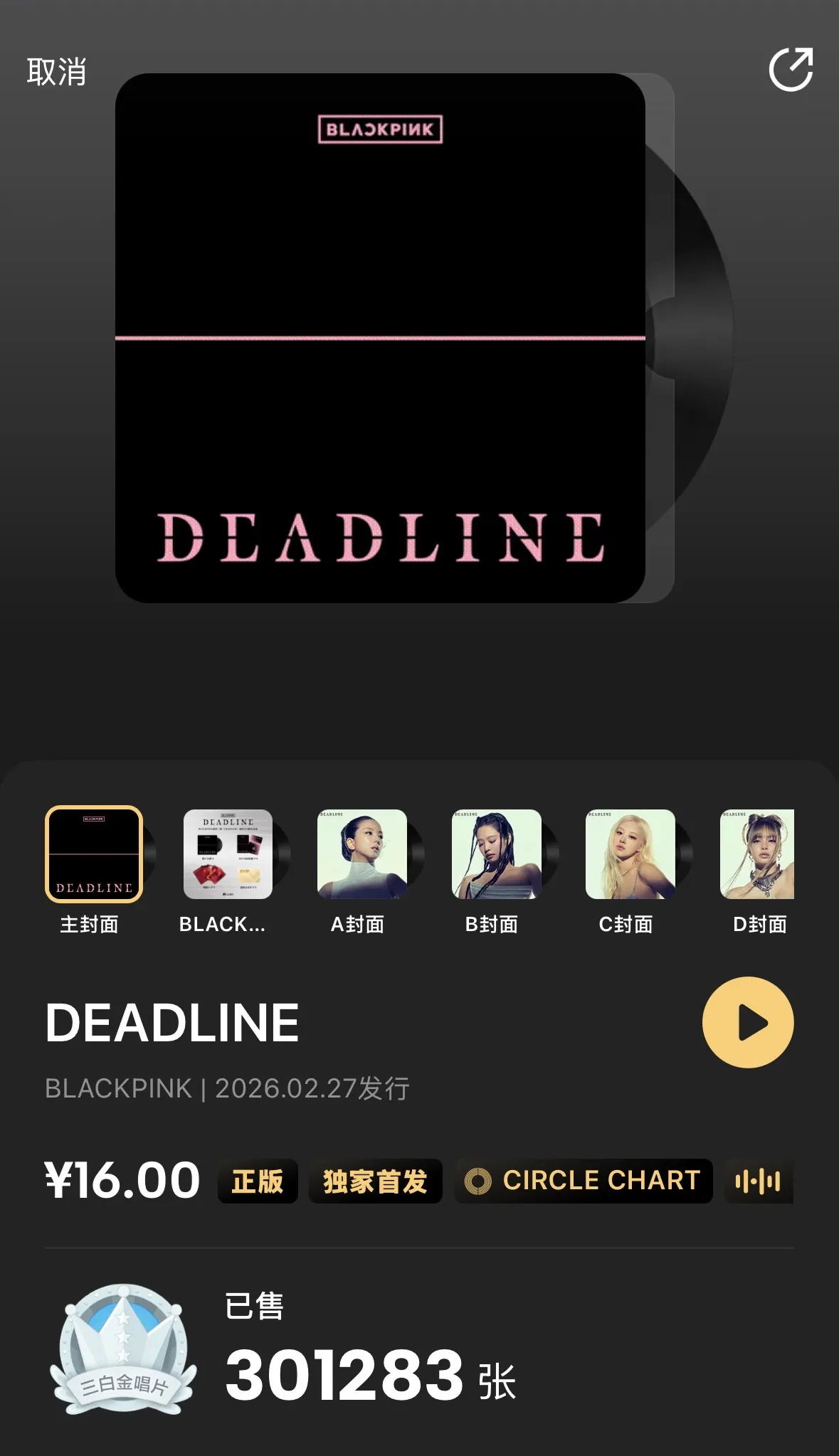
In 2026, BLACKPINK announced a major comeback on February 27 with their third mini-album, Deadline (Figure 1). This marks their first group release since Born Pink in 2022. During this hiatus, their agency, YG Entertainment announced multiple delays, attributing them to a commitment to perfection in the quality of their work. The fact that this comeback is a mini-album rather than a full-length studio album has left some fans deeply disappointed (Abraham 2026).

For many fans, the word “comeback” is no longer a novelty; rather, it has become a cycle of constant delays and repeated anticipation. In recent years, amid reduced group activities, members’ prolonged solo careers, and the repeated postponement of full-group projects, an increasing number of fans have begun asking a question on social media: Is BLACKPINK still a “K-pop group” in the true sense of the word?
Objectively speaking, BLACKPINK is undoubtedly one of the most popular girl groups in the world. Jennie, Jisoo, Rose, and Lisa each have tens of millions of followers on Instagram (Figure 2). Their achievements since debuting include, but are not limited to, becoming the first Korean girl group to perform at Coachella in 2019, and returning to the festival in 2023; in 2020, their single “How You Like That” set three Guinness World Records, with views exceeding 86 million within 24 hours; and by 2026, they became the first group to surpass 100 million subscribers on YouTube (Chan 2026). In addition to maintaining high visibility on global music charts and streaming platforms, BLACKPINK members have also made significant inroads into the fashion, luxury, beauty, and commercial marketing sectors. Each of the four members has established long-term partnerships with multiple luxury brands and possesses exceptionally high individual commercial value on a global scale (Shears 2025). It is evident that whether in terms of musical achievements, or fashion and commercial resources, they have far surpassed the scope of traditional idol groups. This also demonstrates that BLACKPINK is no longer merely a music group, but rather a super IP comprising four global superstars.

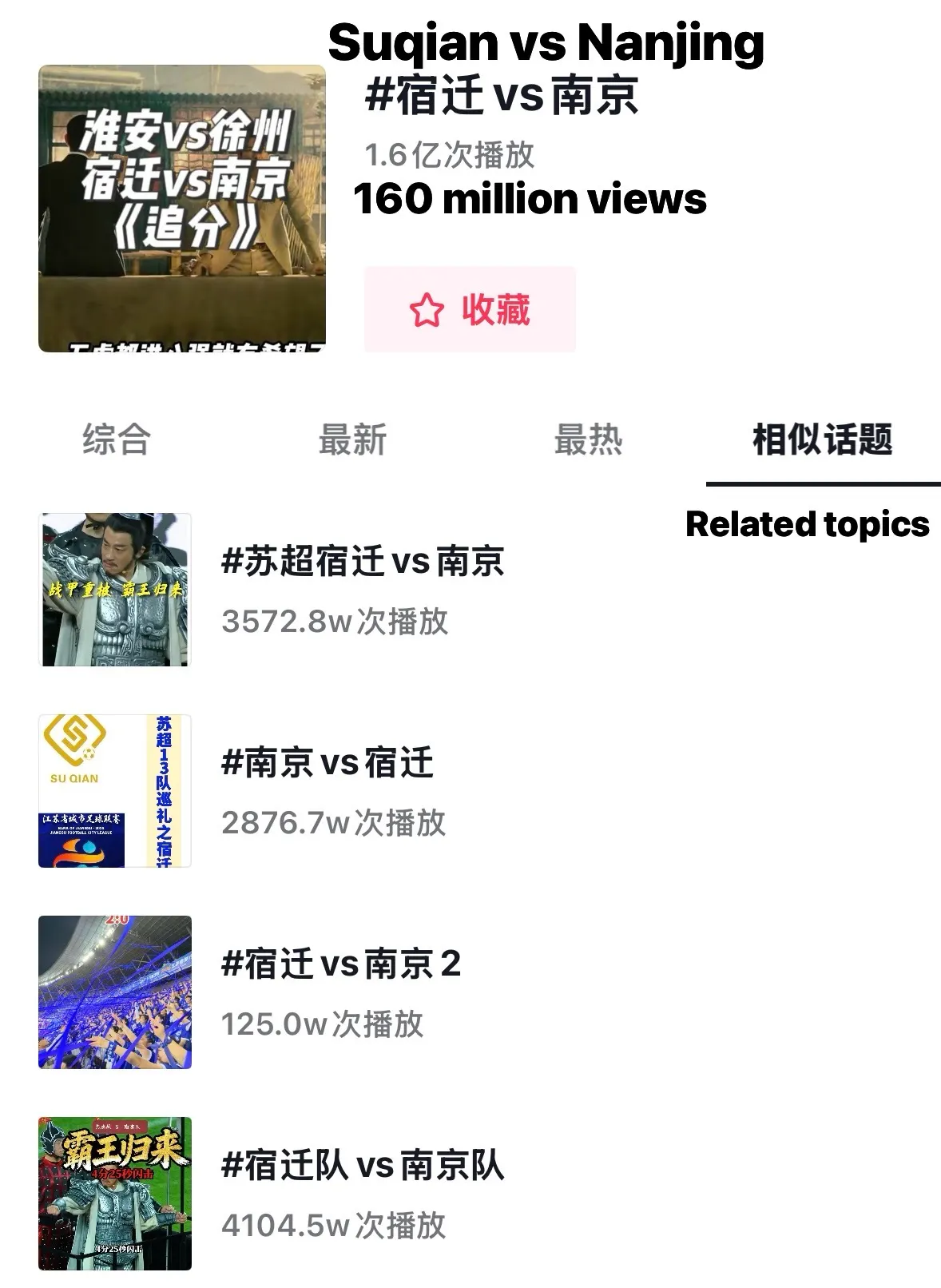
As the individual influence of each member expands, the collective identity of the group is beginning to blur. Unlike traditional K-pop groups, which emphasize long-term collective activities, BLACKPINK now frequently performs as individuals, while group activities have gradually become occasional reunions. To some extent, changes in the members’ activity patterns are also reshaping the way fans perceive BLACKPINK. Over the past few years, topics regarding BLACKPINK’s comeback dates on Weibo, one of China’s largest social media platforms, have garnered over 1.53 billion views (Figure 3).

However, the official post for the teaser of this year’s mini-album Deadline received far fewer likes and comments compared to the teaser post for Born Pink in 2022 (Figure 4). Furthermore, unlike the 2022 comeback, where fan wars erupted in the comments as various fan groups listed their idols’ achievements, there are now significantly fewer fans closely following the group’s activities (Figure 5).


In discussions on the day of BLACKPINK’s comeback this year, many fans expressed the view that anticipation for this comeback is fading and that the emotional value the group once provided is diminishing (Figure 6). Many fans expressed disappointment with this comeback, and some even argued that both the agency and the four members are currently prioritizing individual careers over the long-term development of the group (Figure 7).


This claim is not entirely unfounded. During her appearance on the podcast Call Her Daddy, BLACKPINK member Rose addressed external speculation about the group’s potential disbandment. She tactfully stated that the members’ personal wishes would take precedence, and respect everyone’s decisions. However, she noted that having more time to pursue individual careers during the hiatus was a wise choice (Hashmi 2026). Rose’s comments may also hint at a broader reality. Over the past few years, several members have become increasingly focused on their individual careers, while group activities have taken on a less central role. As each member builds her own career, the group remains there as a valuable brand to fall back on whenever needed.
Get Zhijun Ye’s stories in your inbox
Join Medium for free to get updates from this writer.
In the celebrity communities on Weibo, the activity levels of the four members’ individual accounts all exceed that of BLACKPINK’s group account (Figure 8). This also implies that an increasing number of fans are beginning to accept long-term solo activities as the norm. Compared to early fans’ expectations for a full-group comeback, more and more Chinese fans are adopting a different attitude. They are no longer fixated on BLACKPINK maintaining its group format, but are instead choosing to scale back their support for the group and shift their focus to the individual members’ careers.

However, it is clearly insufficient to attribute this shift in focus solely to the group’s long-standing lack of group activities. To understand this trend, we need to gain a deeper understanding of what fans are actually seeking, and why they maintain a sustained emotional investment in a particular group. For many K-pop fans, the pursuit of a group dynamic has never stemmed solely from the stage. Interactions among members, group variety show content, behind-the-scenes footage, live streams, and even fan-created content and emotional discussions, all of which fans engage with over the long term, constantly reinforce fans’ perceptions of member relationships. Official content provided by entertainment agencies, narratives continuously disseminated by media and platforms, and fan-created content collectively construct an imagination of authenticity (Park et al. 2026). In other words, fans regard an idol group as a genuine collective not merely because its members live or work together over the long term, but because the entire K-pop industry continually sustains this sense of community and companionship through the ongoing production of content and the sharing of emotions. For this very reason, when interactions between members diminish and group activities slow down, fans feel not only the absence of new releases, but also that their existing emotional bonds are gradually becoming fragile and unstable.
The hard work, sincerity, intimacy, and member dynamics displayed by K-pop idols may appear natural, but they are often the result of careful design and long-term cultivation. Therefore, this authenticity is more akin to “staged authenticity,” encompassing both fans’ expectations regarding the idols’ creativity and charisma, as well as the entertainment industry’s systematic production of perfect images and sustained interaction (Lee et al., 2026).
When this sense of authenticity, built upon the group’s narrative, gradually fades, fans’ emotional investment does not disappear entirely; rather, it may shift towards individual members who continue to provide interaction and a sense of companionship. Compared to the relatively limited group activities, individual members’ musical releases, brand collaborations, social media updates and public appearances offer more opportunities for ongoing engagement. Consequently, the shift in fans’ focus from the group to the individual does not signify that they have ceased supporting BLACKPINK, but rather that they have recalibrated the objects and methods of their emotional investment.
In short, in the eyes of some fans, BLACKPINK now resembles a group in name only. As public attention shifts from the group to the individual members’ careers, their personal fashion choices, solo music, commercial endorsements, and private lives have become subjects of comparison among fans. This also means that as members increasingly face the public as individuals, they are placed in a more independent public discourse environment. In the past, the group narrative could, to some extent, mitigate the impact of individual controversies on the group’s overall image. Today, however, members’ personal behavior, private lives, and public personas are increasingly influencing fans’ perceptions of BLACKPINK as a whole. This may explain why, in recent years, discussions surrounding BLACKPINK have shifted from questions like how long has it been since their comeback? to topics involving members’ personal choices, public controversies, and the evolving nature of the idol image itself.
From the Lisa Crazy Horse incident to the controversy surrounding Jisoo’s brother’s domestic violence allegations, more and more discussions about BLACKPINK are focusing on the personal scrutiny of individual members. This inevitably leads one to wonder: when the “shared narrative” that once bound fans to the group begins to unravel, and in the face of a barrage of personal controversies, how much longer can fans’ trust in their idols hold out?
References:
Abraham, H. (2026, January 14). BLACKPINK announces 2026 comeback: All the details. Forbes. https://www.forbes.com/sites/hannahabraham/2026/01/14/blackpink-announces-3rd-mini-album-deadline/
Chan, A. (2026, February 20). BLACKPINK’s history-making accomplishments: A timeline. Billboard.
Hashmi, A. (2026, January 29). Blackpink’s Rose addresses disbanding rumours and future: ‘If one of us feels this isn’t right…’ Gulf News. https://gulfnews.com/entertainment/blackpinks-rose-addresses-disbanding-rumours-and-future-if-one-of-us-feels-this-isnt-right-1.500424485
Lee, M. J., Cuevas, S., Sajdak, A., & Taha, L. (2026). Glitching into popularity: an analysis of how K-pop fans conceptualise authenticity in virtual K-pop idols PLAVE and MAVE. Celebrity Studies, 1–17.
https://doi.org/10.1080/19392397.2026.2614456
Park, S., Park, Y., Seo, S., & Song, J. (2026). Global icon or national star?: Interpreting the contested star image of BLACKPINK’s Lisa in a transnational context. Celebrity Studies, 17(1), 52–68.
https://doi.org/10.1080/19392397.2025.2468186
Shears, M. (2025, April 11). The business of Blackpink. Vogue. https://www.vogue.com/article/the-business-of-blackpink