Sicily: Crossroads of Civilizations and Mirror of Millennia
Where East meets West, and every stone whispers of worlds that once collided and merged into beauty.


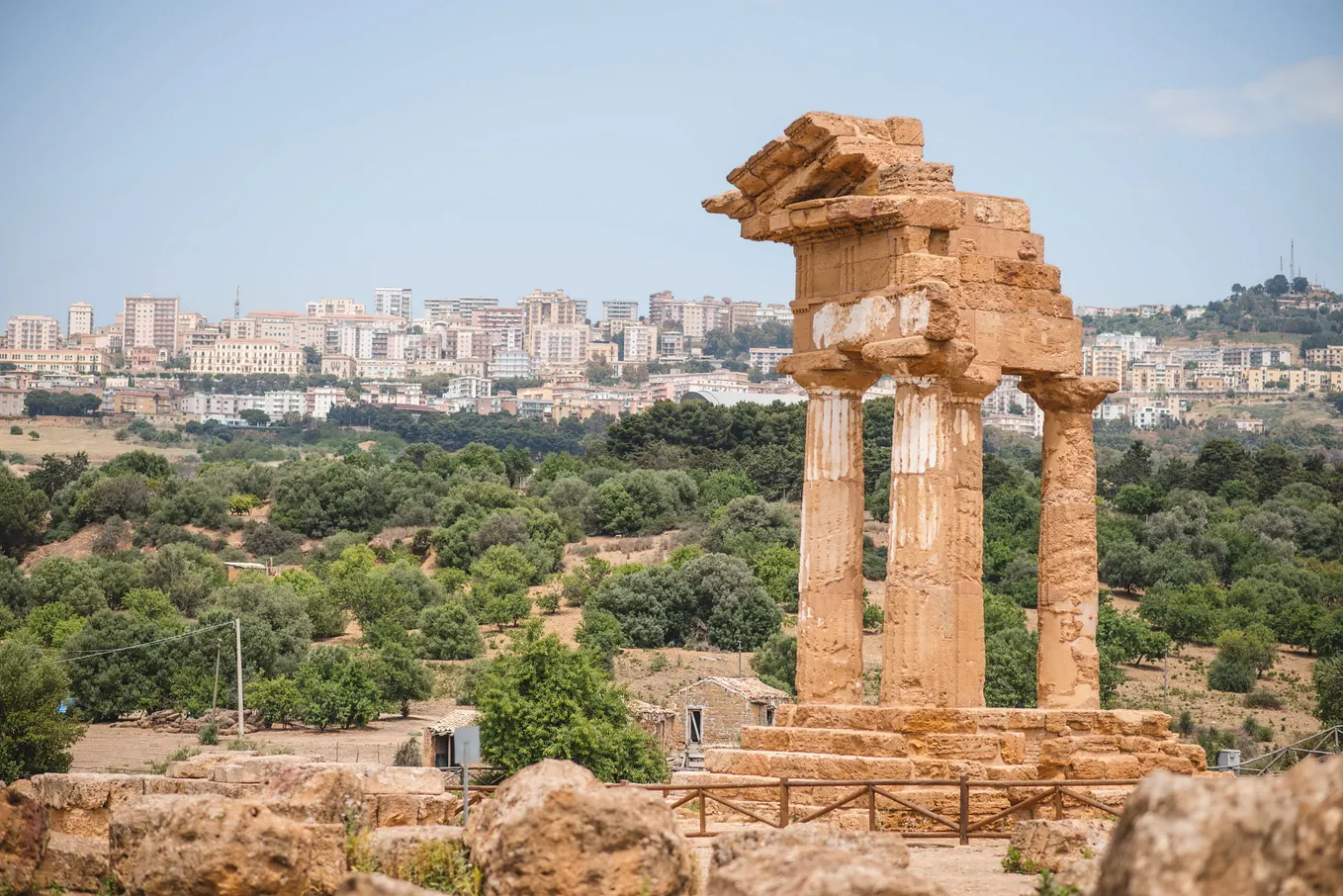
It starts, as these things often do, with the wind — warm and heavy enough that it feels like it’s been crossing empires on its way to you. Standing on a cliff in Sicily at dusk, the air carries salt and citrus and something harder to name, older than any single history the island has actually recorded. Below, the sea goes flat and silver in the evening light; behind, temple ruins catch the last of it on the ridge; somewhere a church bell overlaps with a rhythm that sounds, if you listen for it, faintly Arabic. It’s a fairly common realization among visitors, and not an inaccurate one: Sicily isn’t really an island so much as a condensed version of several civilizations, stacked and layered into the same stone.
Get Olga Angelucci’s stories in your inbox
Join Medium for free to get updates from this writer.
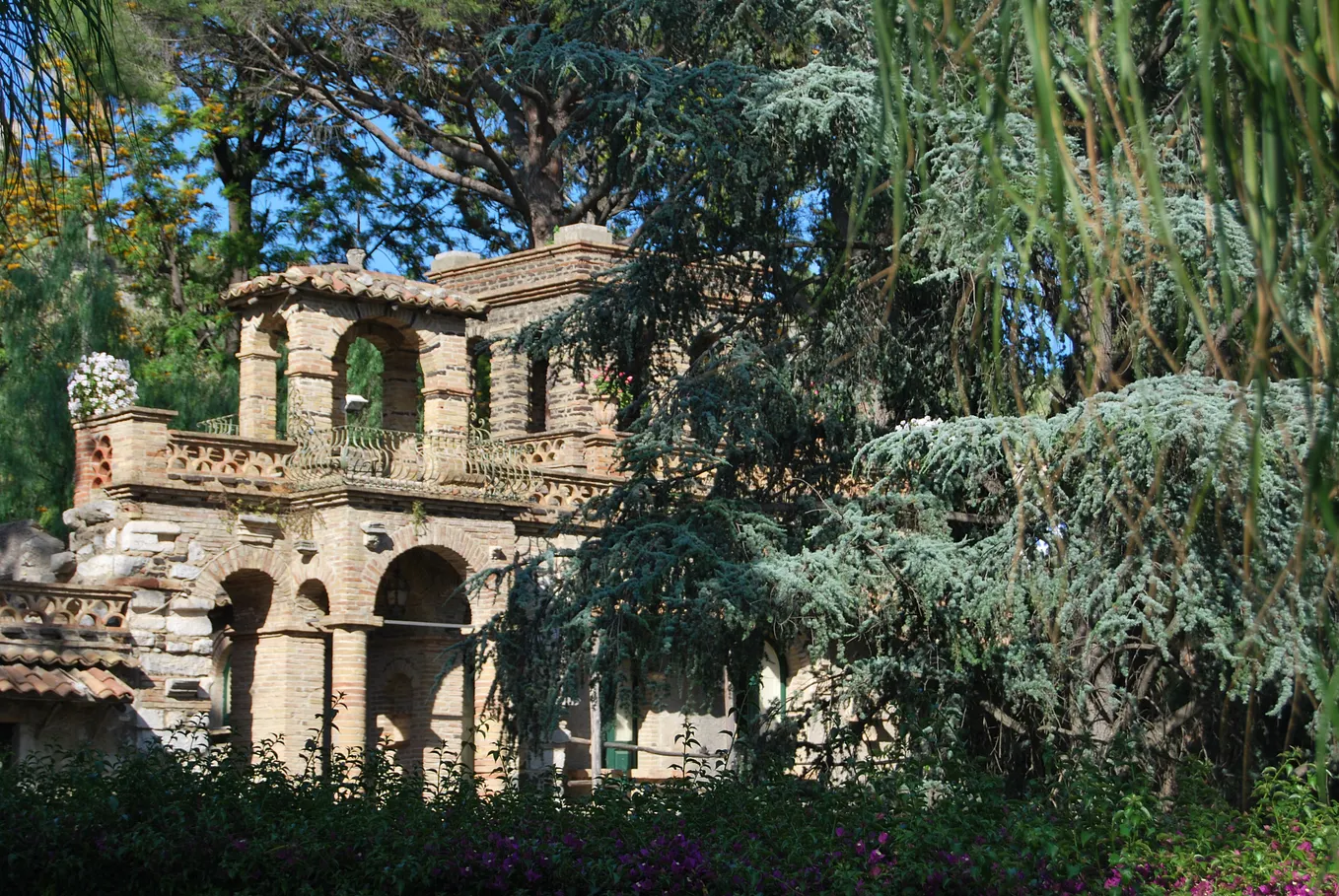
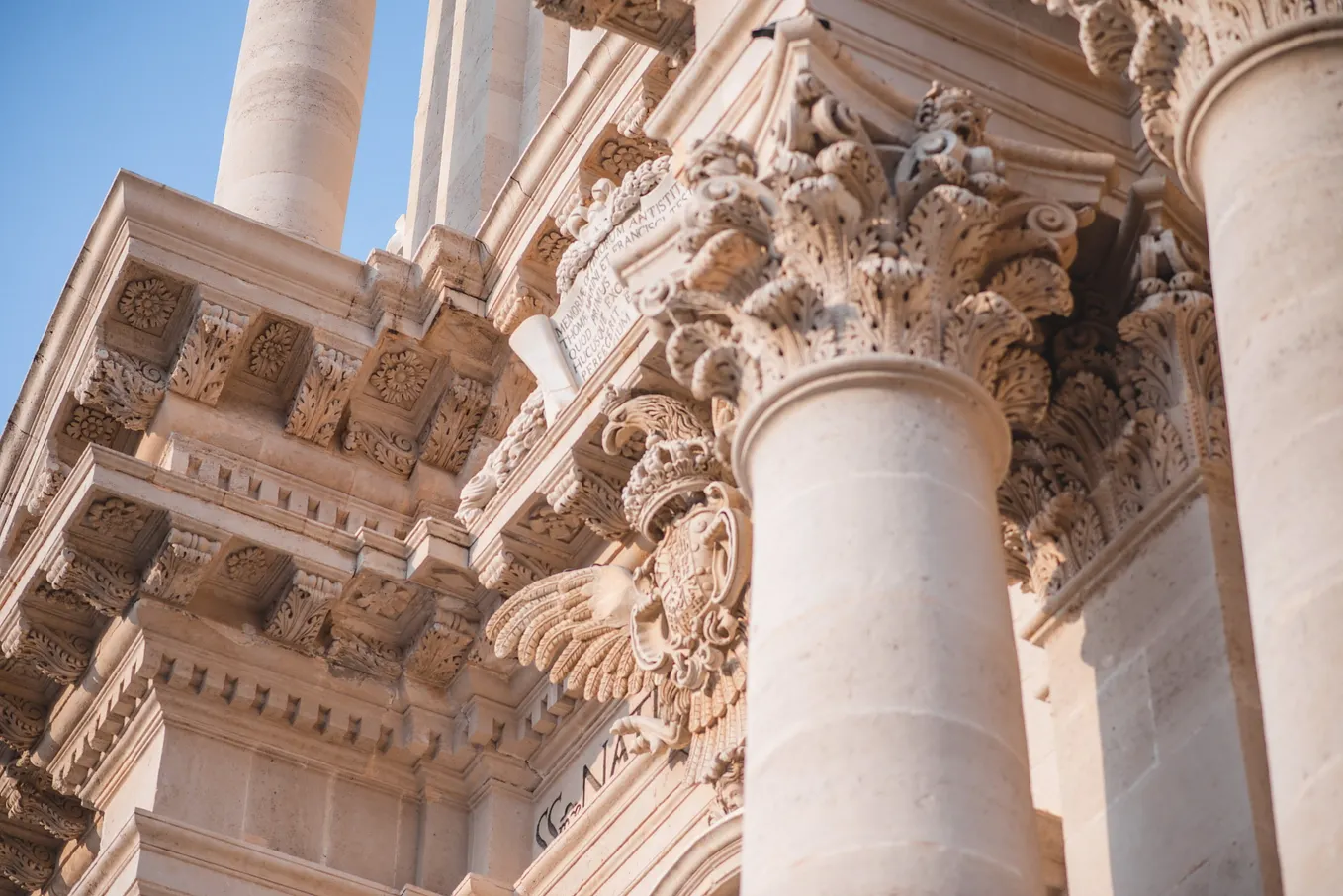
Geographically it’s a fragment of Africa that ended up in the Mediterranean, which is part of why it functions the way it does — as a meeting point rather than a single culture. Phoenicians, Greeks, Arabs, Byzantines, Normans, and Spaniards all passed through and left something behind, each period building over rather than erasing the last, so that temples, domes, and palaces end up sitting within walking distance of each other like stanzas of the same long poem. It’s history you can actually walk through, which is rarer than it sounds.
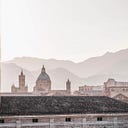
The Arab presence is still the easiest layer to trace, if you know where to look. Nine centuries on, Palermo’s narrow streets still carry something of that period — not literally, but in the town names (Alcamo, Marsala), in the orange blossom that hangs over courtyards, in markets that still run on a kind of improvisational noise and color, and in the Sicilian dialect itself, which kept a surprising number of Arabic words. The people who arrived with swords also brought agricultural and scientific knowledge that outlasted the conquest by centuries.
Food carries the same layered history, arguably more legibly than architecture does. Arancini trace back to Arab rice traditions; panelle, the chickpea fritters, have roots in North African street food; granita and cassata carry a sweetness that owes something to Middle Eastern dessert-making. Eating in Sicily is, in a fairly literal sense, eating through about a thousand years of contact between cultures that didn’t always get along politically but traded recipes anyway.
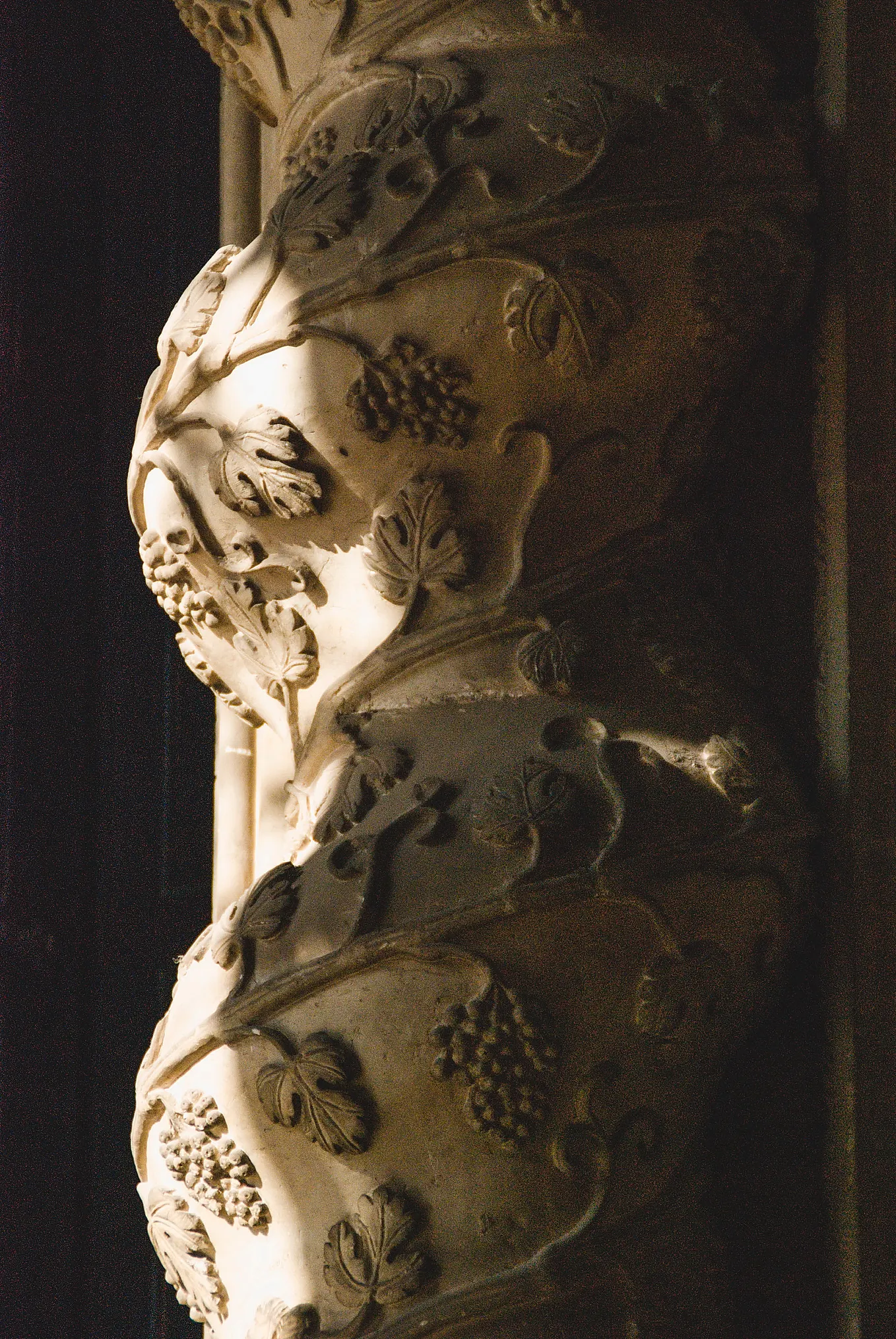
That contact wasn’t permanent, of course. In 1492, Ferdinand of Aragon expelled Arabs and Jews from Sicily, ending a period of relative religious and linguistic coexistence that had held, imperfectly, for centuries. But the erasure was never total — in Catania’s older districts, in neighborhoods like Caito and Zia Lisa, former mosques became churches and the carved arabesques on old palace walls stayed put, outlasting the people who’d stopped being allowed to pray in front of them. Sicily under Spanish rule remained, in effect, a palimpsest: overwritten, never fully blank.
Climb Monte Catalfano on a windy day and it’s not hard to imagine the accumulated traffic of the place — merchants out of Tyre, scholars from Cairo, sailors from Byzantium, all passing through the same stretch of coastline at different points in a very long timeline. What the island seems to do, more than most places, is translate conflict into coexistence rather than simply record it — Greek temples next to Arab domes, Norman mosaics under Spanish balconies, none of it fully reconciled but somehow still standing together. If there’s a lesson in it, it’s a fairly plain one: what tends to last, on this particular island at least, isn’t conquest. It’s contact.