Paying for a Transaction on L2: Where ARB, OP, STRK and WBT Fit In

A short guide to L2 fees using ARB, OP, WBT and STRK as examples
Reading through the comments under my previous posts on CoinМarketCap, I keep seeing the same questions about L2 fees.
What exactly am I paying for when I send a transaction?
And if many networks charge fees in ETH anyway, what is the network’s own coin for?
Here is a short guide that answers both.

What an L2 Fee Сovers
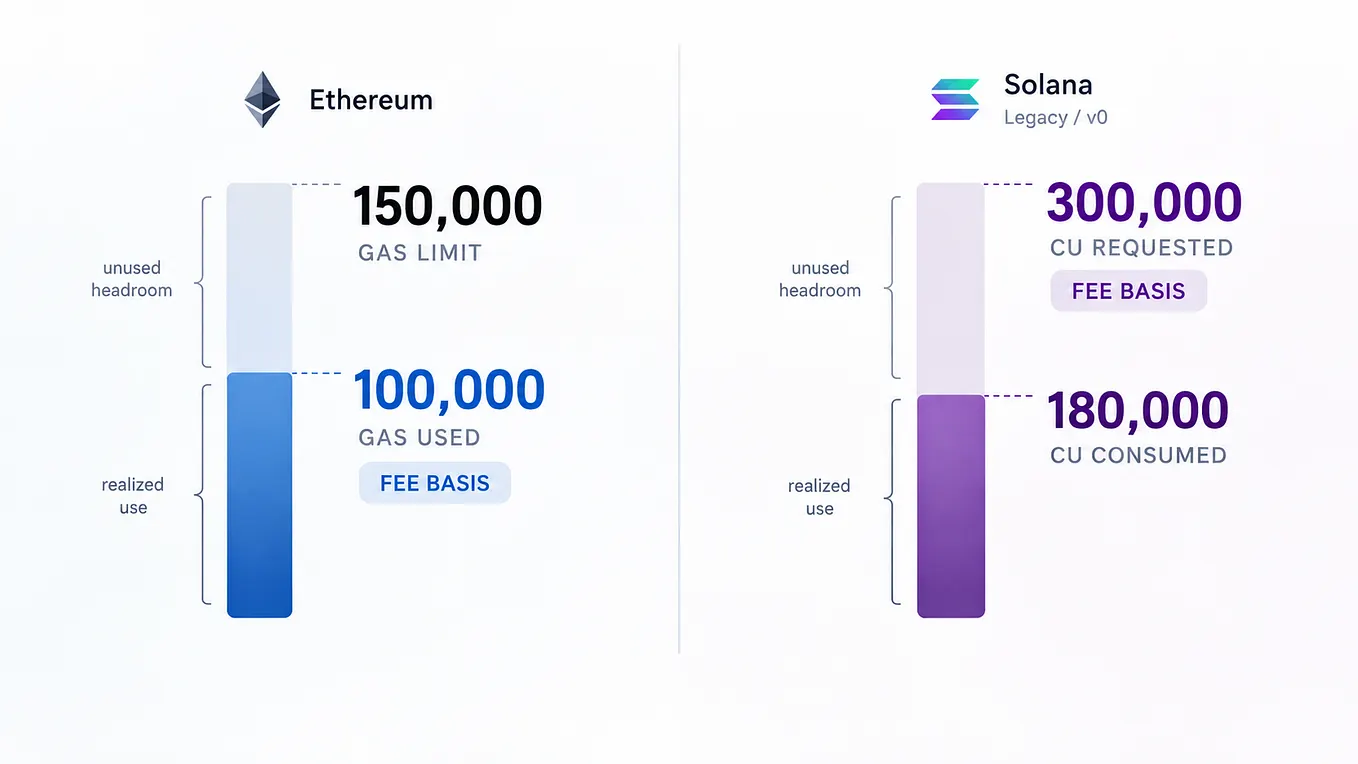
Every rollup transaction pays for two things. The first is execution: the work the L2 does to process it, priced in gas, much like on Ethereum. The second is the L1 data fee: the cost of posting transaction data to Ethereum, which moves with Ethereum’s own fee market.
Get Crypto.Andy’s stories in your inbox
Join Medium for free to get updates from this writer.
In your wallet it looks like one number, but underneath it is always execution plus data.

Two Ways To Pay
Networks follow two broad models. In the first, you pay in ETH, and the network’s coin has another role, usually governance. In the second, the coin itself pays the fee, so every transaction needs it.

🔵 ARB
Fees on Arbitrum are paid in ETH. ARB gives holders a vote in the Arbitrum DAO on upgrades, treasury spending and ecosystem programs. You don’t need it to use the network, but it matters if you want a say in how Arbitrum develops.

🔴 OP
OP Mainnet also charges fees in ETH. Since February 2026, Optimism has been running a 12-month pilot that directs 50% of Superchain sequencer revenue to monthly OP buybacks. Alongside governance, OP is now tied to how much the network is used.

🟠 WBT
On Whitechain, every transaction and smart contract call is settled in WhiteBIT Coin. The network is evolving into an Ethereum-secured L2 on the OP Stack with a public testnet already live, mainnet targeted for Q4 2026 and fees aimed at under $0.01. WBT also works beyond the network. Owning it on WhiteBIT can lower trading fees and unlocks more perks.

🟣 STRK
Since September 1, 2025, STRK has been the only token accepted for fees on Starknet. It is also staked to secure the network, with validator weight split 75% STRK and 25% bitcoin.

What This Means For You
When choosing an L2, it helps to look at three things: what you pay with, how often you’ll use the network and whether the coin connects to anything else you use.
If a network charges fees in its own coin, you need some of it even for a single transfer. For occasional use, the fee amount matters most. For regular activity, what holding the coin gives you over time becomes more relevant. Someone who trades weekly and also moves funds on-chain gets more from a coin that covers both than someone who bridges assets once a month.

Final Thoughts
An L2 fee always comes down to execution and data. What changes is the coin behind it: a vote, a link to network revenue, the payment itself, or the payment plus extra benefits.